


Energy efficiency has become an essential consideration in modern construction as homeowners and developers seek ways to create comfortable, sustainable, and cost-effective properties. A well-designed energy-efficient building does more than reduce utility expenses.
It improves indoor comfort, supports environmental responsibility, and enhances long-term value. By prioritizing efficiency from the beginning, new construction projects can deliver smarter spaces that benefit both occupants and communities.
The Growing Importance Of Energy-Efficient Construction
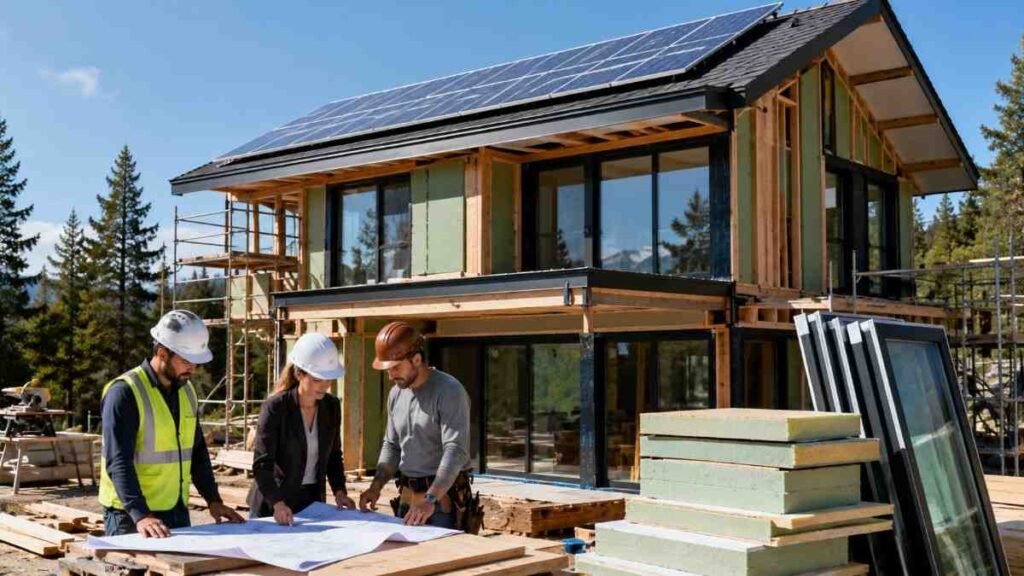
New construction provides an opportunity to incorporate energy-saving strategies from the earliest planning stages. Unlike existing buildings that may require significant upgrades, newly designed properties can integrate efficient systems, materials, and layouts from the start. This approach allows builders and designers to create spaces that perform better while reducing unnecessary energy consumption.
Energy efficiency is no longer viewed as an optional feature but as a key component of responsible construction. Rising energy costs, increased environmental awareness, and changing homeowner expectations have made efficient design a priority. Properties that use resources wisely can provide lasting benefits while meeting the needs of modern lifestyles.
Thoughtful planning can influence every aspect of a building’s performance. From the orientation of a structure to the selection of materials and mechanical systems, each decision contributes to how efficiently a property operates. A comprehensive design approach ensures that energy-saving features work together rather than functioning as isolated improvements.
Reducing Long-Term Costs Through Smart Design
Lowering Energy Consumption
One of the most noticeable advantages of energy-efficient construction is reduced operating costs. Homes and buildings designed with efficiency in mind typically require less energy for heating, cooling, and lighting. Over time, these savings can create significant financial benefits for property owners.
Simple design strategies can make a major difference. Proper insulation, efficient windows, and well-planned ventilation help maintain comfortable indoor temperatures while reducing the need for excessive energy use. By minimizing energy waste, these features allow occupants to enjoy comfortable spaces without unnecessary expenses.
Energy-efficient construction also helps protect properties from future cost increases. As energy prices fluctuate, buildings that rely on fewer resources are better positioned to maintain affordability. This makes efficiency an important investment rather than just an immediate expense.
Increasing Property Value
Energy-efficient features can also contribute to a property’s market appeal. Buyers are increasingly interested in homes that provide comfort, lower maintenance requirements, and responsible resource usage. A well-designed, efficient property can stand out by offering practical advantages that extend beyond appearance.
For example, a home with effective temperature control, natural lighting, and efficient systems may attract buyers looking for long-term savings. These features demonstrate thoughtful planning and can strengthen a property’s overall value.
Enhancing Comfort And Indoor Living Conditions
Energy efficiency is not only about reducing costs; it is also about creating better living environments. A well-designed building maintains more consistent indoor temperatures, improves air quality, and reduces issues caused by poor construction practices.
Creating More Comfortable Spaces
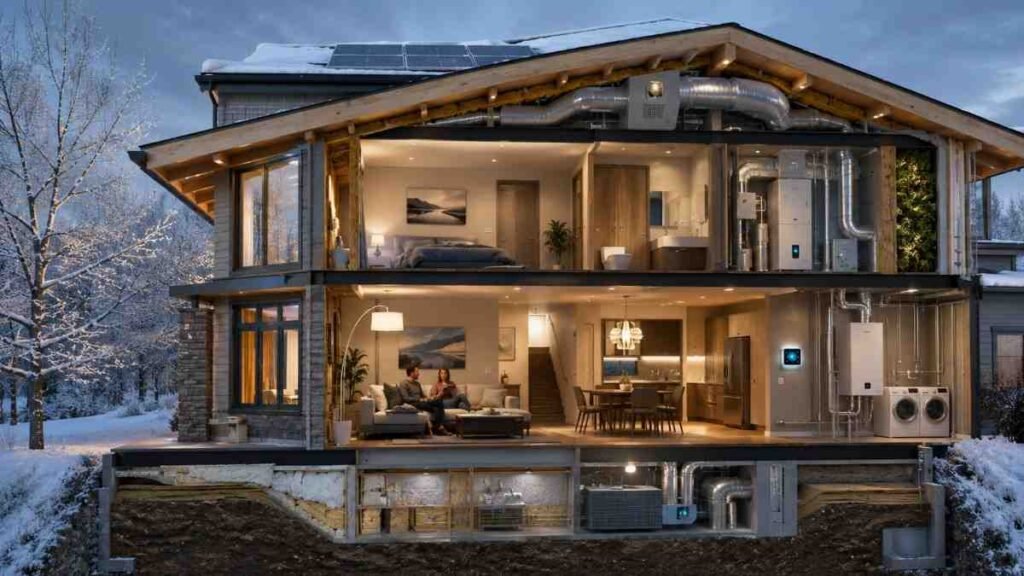
Temperature fluctuations can make buildings uncomfortable, especially when spaces are not properly designed. Energy-efficient construction addresses these challenges through careful planning of insulation, airflow, and building materials. The result is a more stable indoor environment throughout different seasons.
For instance, a properly designed home can keep rooms warmer during colder months and cooler during warmer periods without relying excessively on heating or cooling systems. This creates a more pleasant experience for occupants while improving overall efficiency.
Comfort also comes from reducing drafts, improving lighting conditions, and creating healthier indoor spaces. These improvements contribute to a building that supports everyday activities and enhances quality of life.
Supporting Healthier Indoor Environments
Modern energy-efficient construction often considers factors that influence indoor air quality. Proper ventilation, moisture control, and thoughtful material selection can help create healthier environments for occupants.
Buildings that manage airflow effectively can reduce problems associated with excess humidity or poor circulation. This attention modernizes older homes to indoor conditions helps create spaces that feel fresher, cleaner, and more comfortable.
The Role Of Thoughtful Planning In Efficient Design
Successful energy-efficient construction depends on careful planning and collaboration. Designers, builders, and homeowners must consider how different elements of a building interact. Decisions made during the early stages can have a lasting impact on performance and sustainability.
Many professionals, including architecture firms in Columbus, Ohio, focus on creating designs that balance aesthetics, functionality, and efficiency. By evaluating factors such as site conditions, building orientation, and material choices, design teams can develop solutions that support both environmental goals and occupant needs.
A building’s location and surroundings also influence energy performance. For example, positioning windows to maximize natural daylight can reduce reliance on artificial lighting. Designing outdoor spaces strategically can provide shade, improve airflow, and support overall comfort.
Building A More Sustainable Future
Reducing Environmental Impact
Energy-efficient construction plays an important role in reducing the environmental impact of buildings. Since buildings consume significant amounts of energy, improving efficiency can help decrease resource use and support more sustainable development.
Using less energy means fewer resources are required to operate a property. Efficient designs can contribute to broader sustainability goals by reducing waste and encouraging responsible construction practices.
Sustainable design does not mean sacrificing style or comfort. Modern approaches allow buildings to be visually appealing, functional, and environmentally responsible at the same time. By combining creativity with efficiency, designers can create spaces along with modern landscaping ideas that meet current needs while considering future challenges.
Preparing Properties For The Future
The demand for efficient buildings is expected to continue growing as homeowners and communities place greater importance on sustainability. New construction projects that prioritize energy performance are better prepared for evolving expectations and regulations.
Investing in energy efficiency during construction can prevent costly improvements later. Instead of adapting outdated buildings, property owners can begin with designs that already support modern standards for comfort and performance.
Future-focused construction recognizes that buildings should serve people while respecting available resources. Energy efficiency is a practical way to create properties that remain valuable and relevant over time.
Why Energy Efficiency Should Guide Every New Construction Project
Energy efficiency should be considered a foundation of new construction rather than an added feature. When efficiency is integrated into the design process, buildings can achieve better performance, lower operating costs, and improved comfort.
Every construction decision presents an opportunity to improve energy-efficiency at home. From selecting durable materials to creating intelligent layouts, each choice influences how a building functions throughout its lifespan. A thoughtful approach ensures that energy-saving strategies support the overall purpose of the space.
Prioritizing efficiency also demonstrates a commitment to creating better communities. Buildings designed with sustainability in mind can provide lasting benefits for occupants while contributing to a more responsible future.
Conclusion
Energy efficiency should be a priority in new construction because it creates buildings that are more comfortable, cost-effective, and environmentally responsible. By incorporating efficient strategies from the beginning, property owners can enjoy long-term savings while improving everyday living experiences. Thoughtful design, quality planning, and sustainable choices help ensure that new buildings remain valuable, adaptable, and prepared for future needs.