



Older homes possess a unique charm and character that new constructions often lack. Hardwood trim, unique architectural details, and historic layouts create a welcoming atmosphere. However, aging houses also bring distinct challenges, especially regarding energy efficiency, safety, and modern comfort.
Updating an aging property requires careful planning. You want to preserve the history of the house while ensuring it meets contemporary living standards. Smart renovations can significantly improve your daily routine and protect the long-term structural integrity of the property.
If you are planning to renovate, focusing on practical improvements will yield the best results. The right projects can reduce utility bills, fix underlying structural problems, and make the living space much more comfortable. Here are five intelligent upgrades to consider for your older property.
Prioritize Energy Efficiency
Upgrade Insulation and Windows
Many older houses were built before modern energy codes existed. This often results in poor insulation and drafty windows, leading to uncomfortable room temperatures and high heating bills. Adding insulation to the attic and walls is one of the most effective ways to regulate indoor climates. Spray foam or blown-in cellulose can easily fill the gaps within older wall cavities without requiring major demolition.
Replacing single-pane windows with double or triple-pane alternatives drastically reduces heat transfer. If you want to maintain the historic look of your original windows, installing custom storm windows can offer similar thermal benefits. These upgrades ensure your heating and cooling systems do not have to work overtime to keep the space comfortable.
Address Flooring and Foundation Issues
Stabilize Sunken Indoor Surfaces
Over the decades, the soil beneath a house can shift, settle, or wash away. This natural movement frequently causes indoor concrete surfaces, such as basement floors and enclosed garage spaces, to crack and sink. Uneven concrete is a major tripping hazard and can sometimes point to larger structural vulnerabilities.
Fixing these hazards immediately is crucial for safety and property preservation. Tearing out and repouring a concrete slab is highly disruptive and expensive. Fortunately, less invasive methods exist. For example, utilizing concrete lifting in Salt Lake City provides an efficient way to repair sloping indoor floors. This process involves pumping a specialized slurry beneath the concrete to push moisture out and raise the slab back to its original grade. The surface is ready to use immediately, making it a highly practical upgrade.
Modernize the Electrical System
Replace Outdated Wiring
Homes built several decades ago were not designed to handle the electrical load of modern appliances, computers, and smart devices. Materials like knob-and-tube wiring or older aluminum wiring pose significant fire risks and often fail to meet current safety codes.
Upgrading the electrical panel to at least 200 amps provides enough capacity to run high-demand appliances safely. Rewiring the house with modern copper cables ensures a stable flow of electricity. Additionally, installing ground fault circuit interrupter (GFCI) outlets in kitchens, bathrooms, and outdoor areas adds a critical layer of protection against electrical shocks.
Update the Plumbing Infrastructure
Swap Out Old Pipes and Fixtures
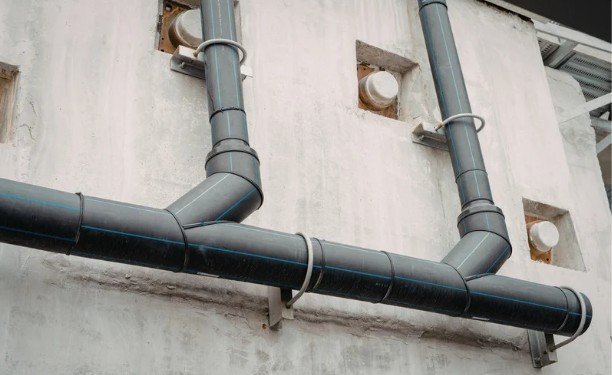
Replacing deteriorating pipes with modern materials like copper or cross-linked polyethylene (PEX) ensures clean water delivery and prevents catastrophic leaks. While addressing the pipes, swapping out old, inefficient fixtures for low-flow toilets and aerated faucets conserves water. These plumbing upgrades prevent water damage behind walls and improve the overall functionality of your daily routines.
Refresh the Kitchen and Bathrooms
Focus on High-Impact Changes
Kitchens and bathrooms are the most heavily utilized spaces in any residence. In older properties, these rooms often feature cramped layouts and outdated finishes. You do not always need a massive, down-to-the-studs remodel to make an impact.
Refacing cabinets instead of replacing them entirely can brighten a kitchen while saving a substantial amount of money. Installing quartz or granite countertops adds durability and a sleek aesthetic. In the bathroom, replacing a worn-out bathtub with a modern walk-in shower makes the space feel larger and more accessible. Upgrading the lighting in both areas with energy-efficient LED fixtures immediately modernizes the atmosphere.
Preserving Charm While Maximizing Comfort
Owning an older property is a rewarding experience that allows you to act as a steward of architectural history. By focusing on critical systems like electricity, plumbing, and structural stability, you can eliminate the hidden hazards of an aging building. Thoughtful upgrades ensure the residence functions seamlessly for modern living while retaining the distinct character that made you fall in love with it in the first place.