




Winter brings beautiful landscapes and cozy evenings, but it also introduces a host of severe weather conditions that can wreak havoc on residential and commercial properties. From heavy snowfall and freezing temperatures to ice accumulation, the elements can cause significant structural damage if left unchecked.
Property claims related to winter weather, such as collapsed roofs, burst pipes, and water damage from ice dams, cost homeowners and insurance companies billions of dollars annually. By taking proactive measures, you can safeguard your property, ensure the safety of your occupants, and avoid the financial strain and inconvenience of filing an insurance claim. This guide outlines seven actionable ways to prepare your property and minimize winter-related damage.
1. Install an Efficient Snow Melt System
Slips and falls on icy driveways or walkways are a major source of liability and winter property claims. Additionally, constant shoveling and the use of harsh chemical de-icers can damage your concrete or landscaping over time. Installing a snow melt system in Utah or your local cold-weather region is a highly effective way to keep high-traffic areas clear of snow and ice automatically.
These radiant heating systems, typically installed beneath driveways and sidewalks, melt precipitation as it lands. This not only eliminates the need for manual shoveling but also creates a safe, ice-free surface that significantly reduces the risk of injury and subsequent liability claims.
2. Prevent Ice Dams with Heat Cables
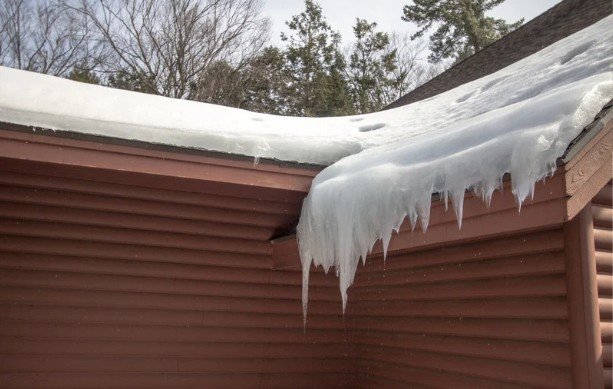
Ice dams form when heat escapes from a poorly insulated attic, melting the snow on the upper parts of the roof. The water runs down to the colder eaves and freezes, creating a dam that forces subsequent melting water to back up under the roof shingles and into the home. This leads to severe water damage, ruined insulation, and mold growth.
To combat this, consider installing self-regulating heat cables along your roof’s edges and in the gutters. These cables automatically adjust their heat output based on the ambient temperature, maintaining a clear path for melted snow to drain safely off the roof.
3. Implement Roof Snow Retention Systems
Heavy snow accumulation on a roof can pose a serious threat, especially on metal roofs where large sheets of snow and ice can slide off all at once. This sudden “roof avalanche” can damage lower roof sections, tear off gutters, destroy landscaping, and severely injure pedestrians or pets below.
Installing snow retention systems, such as snow guards or rails, helps hold the snow in place on the roof, allowing it to melt gradually and safely. This simple structural addition is critical for preventing sudden impact damage and reducing liability risks around the perimeter of your building.
4. Protect Pipes from Freezing
Burst pipes are one of the most common and catastrophic causes of winter property claims. When water freezes inside a pipe, it expands, causing the pipe to rupture and flood the property once the ice thaws. To prevent this, thoroughly insulate all exposed plumbing in unheated areas like basements, crawl spaces, and attics.
For pipes that are particularly vulnerable to extreme cold, consider applying specialized pipe freeze protection heat tracing. These systems provide a steady, controlled heat source directly to the pipes, ensuring the water inside remains flowing freely no matter how far the temperature plummets.
5. Upgrade to Smart Heating Controls

If you use heat cables or radiant heating systems, running them constantly throughout the winter can lead to exorbitant energy bills and premature system wear. Conversely, forgetting to turn them on before a storm leaves your property vulnerable. Upgrading to smart controls—such as Wi-Fi switches, thermostats, and moisture sensors—optimizes your winter defense systems.
Advanced sensors can detect both low temperatures and the presence of moisture, ensuring your heating systems only activate exactly when snow or ice is present. This maximizes efficiency, reduces unnecessary energy expenditure, helps properties adopt sustainable business models, and guarantees your property is always protected.
6. Utilize Safe De-Icing Methods
If you do develop an ice dam or significant ice buildup on your roof, removing it improperly can cause more damage than the ice itself. Hacking at ice with hammers, chisels, or using harsh chemicals can destroy roofing materials, leading to immediate leaks and voided warranties. Instead, rely on safe, low-pressure steam de-icing to remove ice dams.
Steam melts the ice quickly and safely without ever putting mechanical stress on your shingles or gutters. If you frequently require de-icing, use it as a signal to invest in permanent preventive measures like better attic insulation or a dedicated heat cable system.
7. Conduct Regular Property Inspections
The most reliable way to prevent winter property claims is to catch vulnerabilities before the first snow falls. Conduct a thorough inspection of your property every autumn. Clean your gutters and downspouts to ensure water can flow away from the foundation. Inspect your roof for missing or damaged shingles, and check the flashing around chimneys and vents.
Inside the home, seal any drafts around windows and doors, and service your HVAC system to ensure it can efficiently maintain a warm indoor temperature. Consistent maintenance addresses minor issues before winter weather exacerbates them into expensive disasters.
Implementing these proactive strategies requires an initial investment of time and resources, but the payoff in peace of mind and prevented damage is immeasurable. By preparing your property to handle the rigors of winter, you can enjoy the season without the looming threat of costly insurance claims and extensive repairs.