


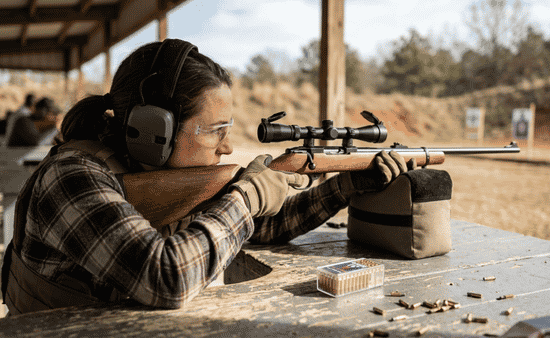
A quiet afternoon at the range can still leave lasting hearing damage when proper protection is ignored. Many recreational shooters assume smaller rimfire firearms create less risk because the recoil feels lighter and practice sessions feel more comfortable. Hearing specialists continue to warn that repeated firearm noise exposure may gradually affect long-term ear health.
Rimfire shooting sessions also tend to last longer because ammunition remains affordable for regular practice. This article explains why hearing protection matters during rimfire practice and what habits help create safer range experiences.
Consistent Ear Protection Helps Prevent Long-Term Damage
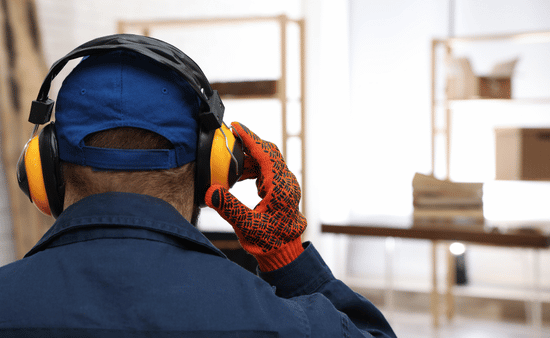
Rimfire firearms may sound quieter compared to larger calibers, yet repeated exposure still creates serious hearing risks during regular practice sessions.
Many experienced shooters using a 22LR suppressor still combine additional hearing protection because firearm noise can continue affecting hearing over time. Indoor shooting ranges may also increase sound intensity because walls reflect noise repeatedly throughout enclosed spaces.
Helpful hearing protection choices may include:
- Foam earplugs designed for shooting ranges
- Over-ear protection with padded seals
- Electronic earmuffs for clearer communication
Consistent protection helps recreational shooters maintain safer and more comfortable range habits during longer practice sessions.
Indoor Ranges Create Stronger Sound Exposure
Indoor shooting facilities usually produce louder sound conditions because firearm noise reflects from surrounding surfaces repeatedly, which is why understanding why the engraving on a firearm says more than you might expect can also encourage shooters to pay closer attention to overall firearm safety and responsible range practices.
Shooters practicing inside enclosed lanes may notice sharper sound pressure compared to outdoor environments. Proper hearing protection becomes even more important during crowded range hours with multiple active shooting lanes nearby.
Some range visitors combine earplugs with earmuffs for stronger noise reduction during extended sessions. Double protection may help reduce sound fatigue during longer practice routines. Many instructors also encourage beginners to start with stronger hearing protection so that early range experiences feel less overwhelming.
Comfortable Gear Improves Longer Practice Sessions
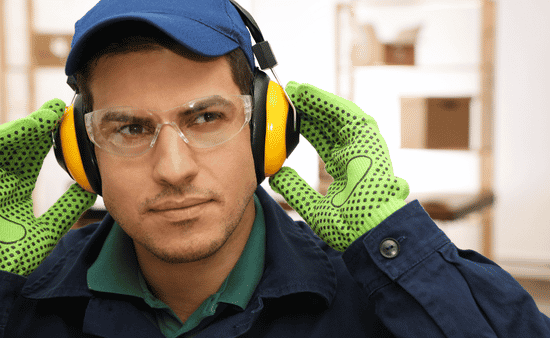
Uncomfortable hearing protection may distract shooters during practice or encourage inconsistent use throughout the day.
Well-fitted protective gear usually helps shooters stay focused while maintaining safer habits during extended sessions. Lightweight materials and adjustable headbands may also improve comfort for younger participants or first-time visitors.
Important comfort features may include:
- Adjustable sizing for secure positioning
- Soft ear padding during longer sessions
- Lightweight construction for reduced pressure
Shooters practicing with a 22LR suppressor may still prefer quality hearing protection because quieter setups do not completely remove firearm noise exposure during active range use.
Professional Instructors Encourage Better Safety Habits
Certified firearm instructors continue emphasizing hearing protection during supervised practice sessions and safety education programs.
Professional guidance helps beginners understand how repeated sound exposure may affect hearing over time, even during smaller-caliber shooting activities. Instructors also demonstrate how protective equipment should fit before range practice begins.
Many supervised shooting facilities require both eye and hearing protection before visitors enter active shooting areas. These safety expectations help create more consistent habits for recreational shooters of different experience levels.
Younger Shooters Need Extra Hearing Protection Awareness
Children and teenagers participating in supervised shooting activities may feel more sensitive to loud firearm noise during early range experiences. Proper hearing protection helps younger participants feel safer and more comfortable throughout training sessions.
Parents usually benefit from checking protective equipment carefully before younger shooters begin practice, along with reviewing important things to check before purchasing any rifle ammo for safer and more responsible range use.
Youth-focused range programs may also use shorter practice periods to reduce sound fatigue and maintain concentration. Careful supervision and strong hearing protection habits support safer recreational shooting experiences for families and beginner participants.
Rimfire practice sessions continue helping recreational shooters improve accuracy and firearm handling skills during supervised range activities. Proper hearing protection remains one of the most important safety habits connected to long-term shooting participation.
Recreational shooters still benefit from strong hearing protection habits because safer range experiences depend on preparation, awareness, and responsible firearm safety practices.