

The best restaurants do more than deliver a good meal once. They create a pattern of trust, anticipation, and memory that makes return visits feel obvious rather than optional. People come back because the experience is consistent, the details are handled with care, and the restaurant offers something that feels dependable without becoming predictable.
That distinction matters especially in competitive dining markets. A restaurant can impress on a first visit with novelty or intensity. Returning, however, depends on deeper qualities: a clear identity, disciplined execution, and hospitality that makes guests feel recognized rather than processed. For diners exploring restaurants, those are the signals that separate a place worth trying from a place worth keeping in rotation.
Libertango, a restaurant in Sandy, Utah, understands this dynamic well. As a fine dining steakhouse with roots in Brazil and a concept shaped by Argentine barbecue, Libertango has built its reputation around the kind of dining experience that rewards repeat visits.
Return Visits Are Earned Through Consistency, Not Just Novelty
A restaurant can win attention with a strong opening impression, but repeat business is built on reliability. Guests want to know that the experience they enjoyed once will still be there the next time they return. That means the food is prepared with the same discipline, the service follows the same standard, and the atmosphere still supports the meal rather than distracting from it.
This is especially true for steakhouse dining. When guests order wagyu steaks or other premium cuts, they are not simply paying for ingredients. They are paying for judgment: the kitchen’s timing, the balance of seasoning, the confidence of the service, and the ability of the restaurant to deliver a meal that feels composed from start to finish. Libertango’s appeal comes from the fact that it treats consistency as a core asset, not an afterthought.
The Guest Is Remembering More Than the Plate
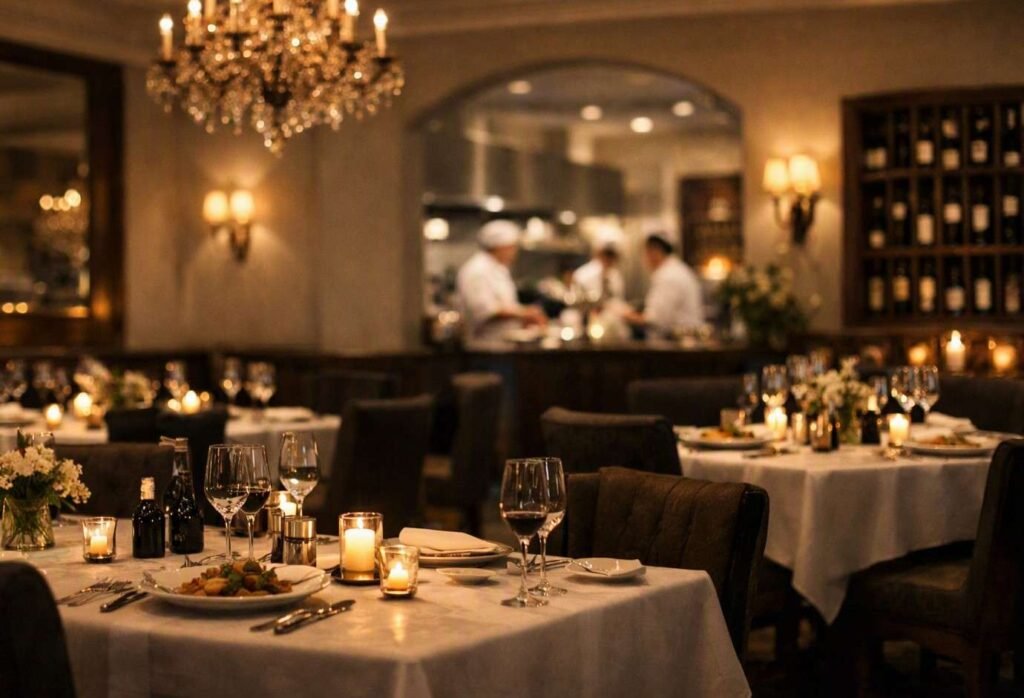
Many operators underestimate how much return visits depend on the whole sequence of the evening. A guest does not only remember the main course. They remember whether the host was organized, whether the pacing felt right, whether the table felt comfortable, and whether the restaurant felt in control.
That is why a restaurant worth returning to usually has a stronger operating system behind it than guests see directly. The food may be the headline, but the real product is confidence. If the first visit felt calm and well-managed, the guest is far more likely to believe the next visit will be worth the same commitment.
Fine Dining Works When It Feels Both Distinctive and Familiar
People return to restaurants when the experience has a clear point of view. The challenge is that distinctiveness alone is not enough. If a restaurant is too experimental or too inconsistent, the guest may admire it once but hesitate to plan a second visit. Strong restaurants strike a balance between identity and dependability.
That balance is central to Libertango. Its contemporary take on Argentine barbecue gives the dining experience a specific culinary character, while the fine dining format creates expectations around polish, pacing, and service. The result is not generic steakhouse dining. It is an experience with a recognizable signature, which is one of the strongest reasons people return.
A worldly ambiance also matters here. Guests are not only choosing what to eat; they are choosing the setting in which the meal will be remembered. A restaurant that feels refined, intentional, and slightly transportive can become a default choice for anniversaries, business dinners, celebrations, and spontaneous splurges alike. That versatility increases repeat traffic because the restaurant fits multiple occasions without losing its identity.
What Strong Operators Do Differently Behind the Scenes
The restaurants people return to most often usually do a few things exceptionally well, even if those things are invisible to the casual observer. They manage quality control tightly. They train for service rhythm. They understand that luxury is not about excess; it is about reducing friction and making the guest feel well cared for.
At Libertango, that shows up in the way the brand combines premium ingredients, fine wines, and table service into a coherent experience. The point is not simply to offer steak. The point is to create a dining environment where the meal, the wine, and the service reinforce one another.
Here are the operational qualities that most often drive repeat visits:
- Reliable food quality from visit to visit
- Staff who know how to guide the experience without overstepping
- A dining room that feels intentional and comfortable
- A menu identity that is clear and memorable
- Enough flexibility to serve different occasions well
- A level of polish that makes the restaurant feel worth the occasion
These factors matter because guests are making a judgment about future certainty. If a restaurant can make them feel that the next experience will be just as thoughtful as the last, it earns a place in their regular rotation.
Recognition Signals Trust, But It Cannot Replace It
Awards and public recognition can strengthen a restaurant’s credibility, but they only matter if the underlying experience holds up. Libertango’s multi-year OpenTable Diners’ Choice recognition is meaningful because it signals guest approval over time, not just one standout moment. Still, recognition is best understood as confirmation of what the restaurant is already doing well, much like mastering property management depends on consistently delivering a reliable experience rather than relying on reputation alone.
That matters to diners making decisions among many restaurants. A recognizable award or positive reputation can reduce uncertainty, but the actual return visit happens only if the meal and service deliver on that expectation. Strong restaurants earn trust twice: once through reputation and again through performance.
Flexibility Makes a Restaurant Easier to Keep in Rotation
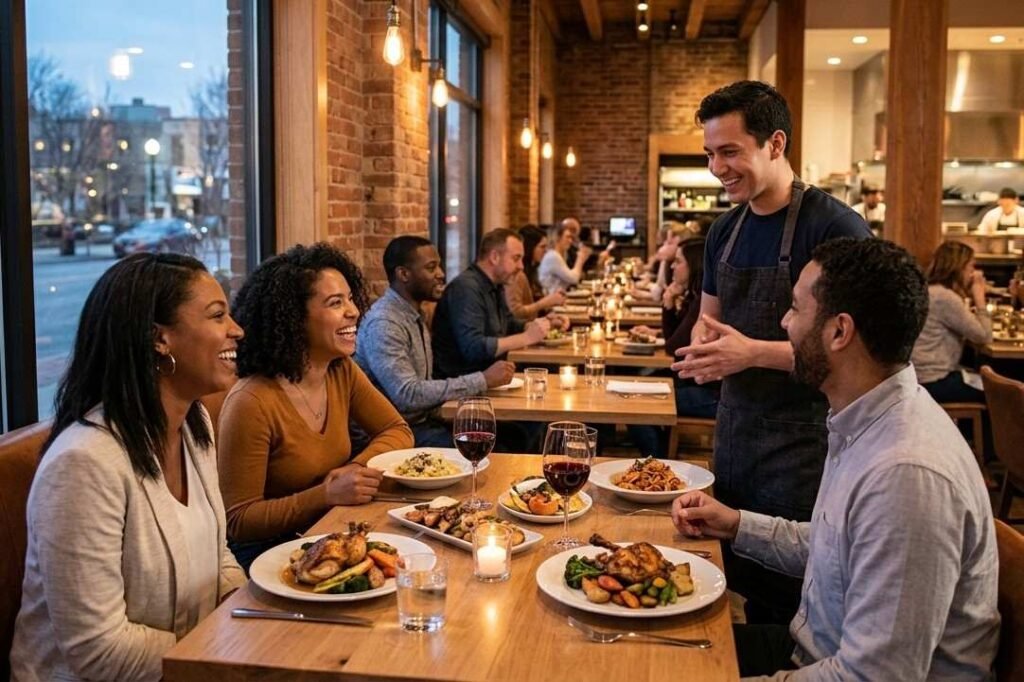
One reason some restaurants are visited once for a special occasion but rarely revisited is that they only fit one type of need. The most durable restaurants tend to work across several use cases. They are compelling enough for a celebration, but practical enough for a planned dinner or a quieter evening when the guest still wants quality.
Libertango is strategically strong in this area because it offers more than seated dining. Reservations, private events, and curbside pickup all expand the ways guests can engage with the brand. That kind of flexibility does not dilute the experience; it extends it. A guest may first discover Libertango for a formal dinner, then return for a private gathering, and later choose curbside pickup when the timing is less conducive to dining in.
This matters because repeat business is often built in small steps. A restaurant does not need to be the answer to every dining need, but it does need to be relevant in more than one context. The more ways it can fit into a guest’s life, the more likely it is to become a familiar choice rather than a special-occasion-only destination.
The Restaurants People Keep Returning To Are Built on Memory and Confidence
At a deeper level, return visits are emotional, not just transactional. Guests come back when a restaurant becomes associated with a certain feeling: ease, quality, hospitality, and a sense that their time will be well spent. Over time, the restaurant becomes part of their own routines and milestones.
That is where Libertango stands out. Its story gives it depth, its menu gives it authority, and its dining environment gives it a sense of occasion. The combination is powerful because it satisfies both the practical and the aspirational sides of dining. Guests know they will eat well, but they also know the evening will feel considered.
For a restaurant to be worth returning to again and again, it must do more than impress once. It must create enough confidence that the next visit feels like a good decision before the guest even sits down. Libertango succeeds by making that confidence part of the experience. That is what turns a strong first impression into lasting loyalty, and it is what the best restaurants are really competing to earn.