

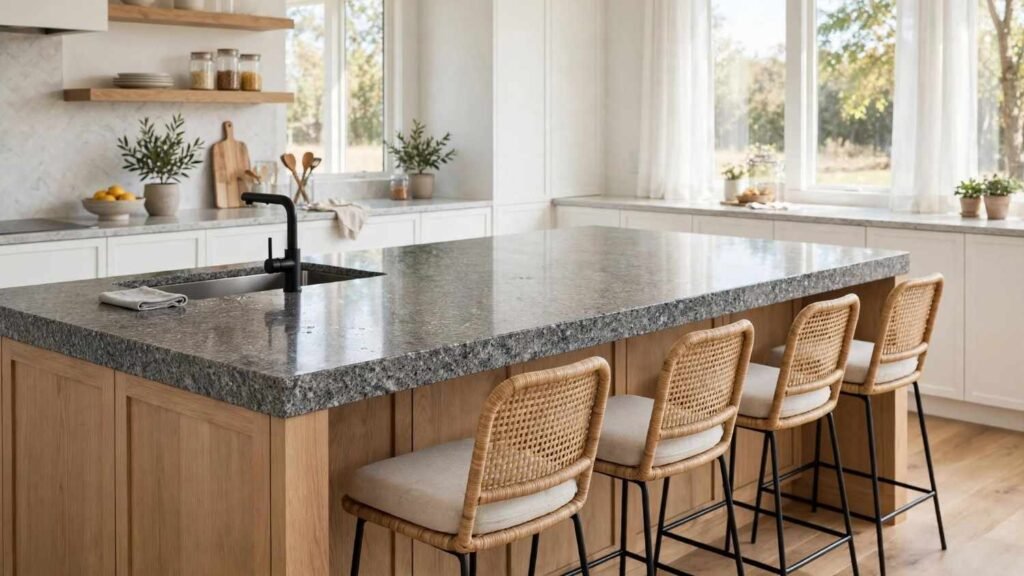
Countertop edges and overhangs affect how a kitchen feels during ordinary use. Think about wiping up spills, passing a busy island, or sitting at the counter. Discussing those tasks before fabrication helps you choose details that suit the room and the people using it.
That is why smart planning matters early. Quality Granite approaches countertop design as a functional decision, not just a style choice. When homeowners are comparing options for countertops in Orem, the most useful questions are often practical ones: How will this surface be used? Who will stand, cook, lean, or sit near it? What kind of edge will hold up best in a real household? Those are the questions that separate a good-looking kitchen from one that works smoothly.
Why Edge Choice Changes The Way A Kitchen Feels
A countertop edge is easy to overlook until it starts affecting daily movement. Some edges feel softer and more finished in hand-contact areas. Others look cleaner and more minimal. The right choice depends on how the kitchen is used, not just on the style of the room.
In a high-traffic kitchen, the edge becomes part of the workflow. Children may lean on it. Guests may gather at the perimeter. A cook may brush past it while carrying pans or groceries. A well-chosen edge should support those patterns without becoming visually heavy or physically awkward.
The Edge Is Part Of The User Experience
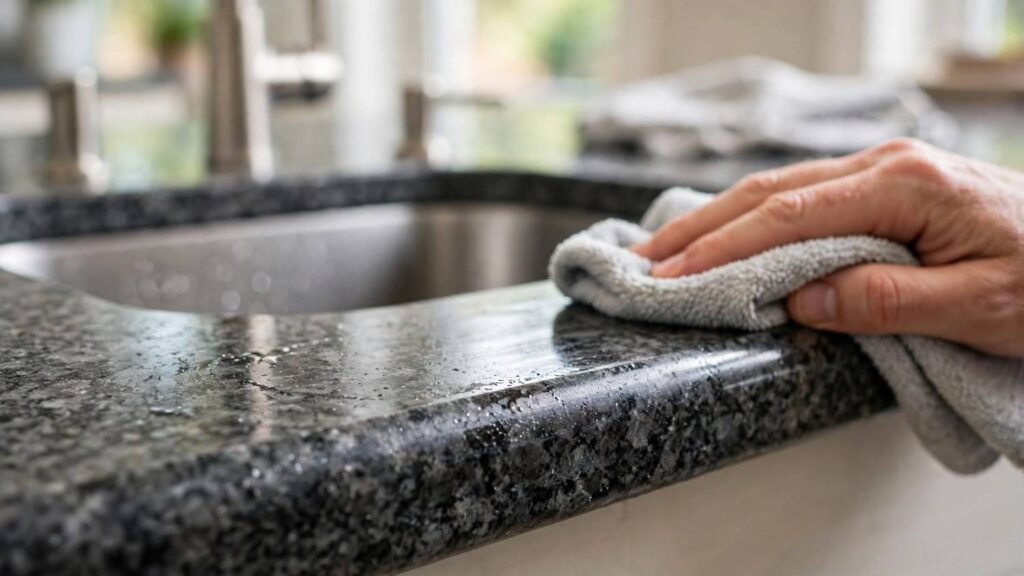
An edge is not just a visual border. It influences comfort, cleaning, and durability in subtle but important ways. A sharper profile can create a more contemporary look, while a rounded or softened feel may seem more approachable in a family kitchen. Choosing the right countertop edge is also one of the practical upgrades that add value to your home, as thoughtful design choices can improve everyday functionality and enhance the kitchen’s overall appeal. Quality Granite helps homeowners think through these tradeoffs before fabrication begins, because changing the edge after installation is not a simple adjustment.
The edge can influence maintenance. More complex edge shapes may gather crumbs or residue differently than simpler profiles. That does not make them bad choices, but it does mean the best option depends on how much upkeep a household is willing to do.
Matching The Edge To Real-World Use
A kitchen used mostly for light meal prep may support a different edge decision than a kitchen that handles daily cooking, homework, and socializing. The point is not to chase a trend. The point is to pick a detail that fits the room’s purpose.
For example:
- A highly active family kitchen usually benefits from a practical, comfortable edge.
- A smaller kitchen may feel less crowded with a cleaner, simpler visual profile.
- An entertaining space may call for a finish that looks refined from multiple angles.
- A heavy-use prep area should prioritize ease of cleaning and everyday comfort.
That kind of thinking helps clients make better long-term choices, especially when working with Quality Granite on custom fabrication.
Overhangs Do More Than Create Visual Balance
Countertop overhangs often get discussed as though they are a finishing detail, but they serve a functional role. The overhang affects how far the countertop extends beyond the cabinetry, which in turn changes how comfortable the surface is to use. It can influence seating, leg room, spill control, and how the kitchen feels from the outside.
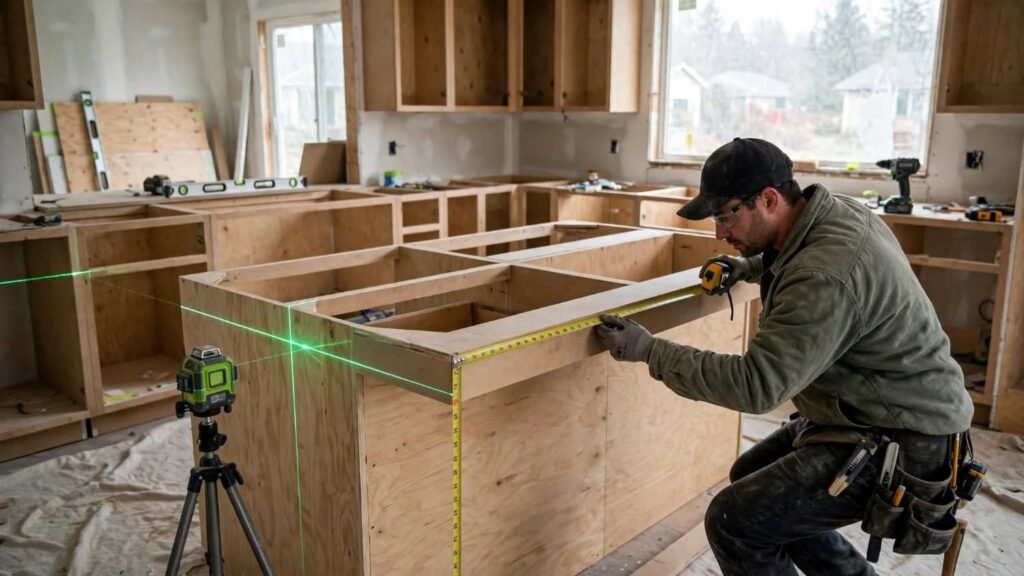
During the templating phase, Quality Granite measures the existing cabinetry carefully so the finished countertop fits the space properly. That step is critical because a countertop that is too shallow, too deep, or inconsistently sized can create daily frustrations. Overhangs are not guessed at. They are planned.
A Small Measurement Difference Can Change Daily Comfort
Even modest differences in overhang can affect how the kitchen functions. If a countertop extends too little, it may feel tight or unfinished. If it extends too much in the wrong place, it can interfere with drawers, walking paths, or cabinet access.
This is especially important around islands, peninsulas, and seating areas. The same surface that works well for food prep may need a different extension where people sit or gather. A thoughtful overhang helps the kitchen support both roles without feeling improvised.
Seating, Reach, And Cabinet Access All Depend On It
The best countertop design supports movement instead of fighting it. People need enough clearance to sit comfortably. Cooks need enough space to work without constantly bumping into cabinet doors or stools. And drawers still need to open cleanly under the finished surface.
That is why accurate cabinetry templating matters. Quality Granite uses that process to determine functional overhangs before cutting begins. The result is a countertop that feels intentional in use, not just attractive in photographs.
The Best Designs Balance Appearance With Everyday Behavior

The most successful kitchens do not choose between beauty and practicality. They combine both. A countertop edge that looks elegant but creates constant cleanup irritation is not a win. An overhang that looks dramatic but makes the seating area awkward is also not a win. Good design is usually the option that disappears into daily life because it simply works.
Quality Granite’s custom fabrication process is well suited to that kind of balance. Because each countertop is built for the specific kitchen, homeowners can make decisions that fit the room’s actual behavior rather than a generic template.
When Simpler Usually Performs Better
In many homes, simpler details age more gracefully. They are easier to clean, easier to live with, and less likely to feel dated quickly. That does not mean every kitchen should be plain. It means decorative choices should serve the room rather than distract from it.
This is especially useful to remember when budgeting for a project. The average cost of new custom countertops can vary widely based on material, kitchen size, and cutouts. Since edge design and overhang planning are part of the overall project, small decisions can have practical effects on both function and final cost. The right goal is not to minimize every detail, but to choose the details that do the most useful work.
Material And Edge Need To Work Together
Granite, quartz, quartzite, and marble each bring different strengths to the kitchen. The surface material and the edge profile should complement each other, not compete for attention. A kitchen that uses stone with strong visual movement may call for a quieter edge. A more understated slab may benefit from a profile that adds a little definition.
This is where Quality Granite’s consultative approach matters. The team can help homeowners think through the combined effect of material, edge, sink placement, and overhang so the finished result feels coherent.
What Strong Planning Prevents Before Installation Day
A well-planned countertop project reduces the odds of problems later. The installation itself may be relatively fast, often taking just a few hours depending on project size, but the decisions made beforehand shape the outcome. That is why the best projects spend time on measurement, selection, and communication before fabrication.
The most common issues usually come from skipping one of those steps. An edge that seemed fine in theory may feel awkward near a tight aisle. An overhang that was not carefully measured may interfere with movement or seating. A beautiful slab can still underperform if the details were not aligned to the kitchen’s actual layout.
Here is what careful planning helps avoid:
- Uncomfortable seating at islands or peninsulas
- A countertop that visually overwhelms a small kitchen
- Cleaning challenges around awkward edge details
- Cabinet interference caused by inconsistent overhangs
- A finished look that feels disconnected from the room’s use
Quality Granite’s process is designed to catch those issues early. That is one reason custom work is valuable: it lets the design respond to the home instead of forcing the home to adapt to the design.
The Practical Lesson For Homeowners Considering New Countertops
The edge and overhang are not minor finishing choices. They are part of the kitchen’s daily performance. A good edge feels right when you lean against it, wipe it down, or move around it quickly. A good overhang gives the right amount of comfort without creating clutter or obstruction. Together, those details determine whether a countertop simply looks finished or actually improves how the kitchen works.
For homeowners evaluating Quality Granite, the most useful mindset is simple: ask how the countertop will behave in daily life, not just how it will look on installation day. That approach leads to better choices, fewer surprises, and a kitchen that feels more natural to use. If you are planning a remodel or replacement, start with the functional details first, then let the style follow.