


Why Slopes Expose Weak Irrigation Design
Watering a slope can leave the top dry and the bottom soggy. Water may run downhill before the soil has time to absorb it, especially when a zone runs too long. A better plan accounts for grade, soil, plant needs, and watering intervals before choosing the equipment.
For property owners, the challenge is often easy to see and hard to solve. A hillside may look fully watered on one section and still dry out on another. On a warm day, the upper slope can get too little while the lower edge gets too much. The result is inconsistent plant health, wasted water, and visible runoff that can be especially frustrating on residential sites with careful landscaping.
Colorado Outdoor Environments approaches this as a design problem first, not an equipment problem. Good hardware helps, but the real performance comes from understanding the site, evaluating the point of connection, and matching irrigation zones to the way water actually behaves on a slope.
What Good Slope Design Solves Before the First Valve Opens
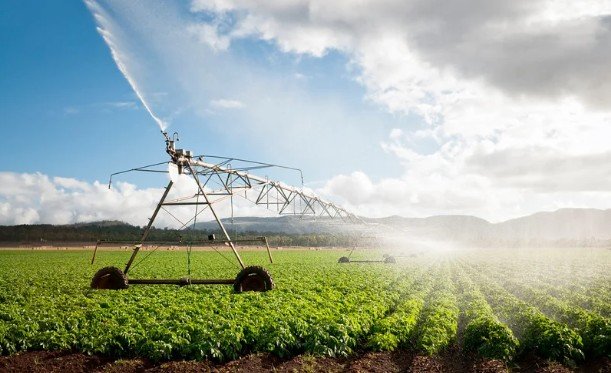
A strong system starts long before installation. Colorado Outdoor Environments evaluates pressure, volume, elevation, and layout so the design capacity of the system is realistic from the start. On slopes, those factors are not abstract. They determine whether emitters, valves, and sprinkler heads can operate together without creating pressure swings or uneven application.
The goal is not simply to add more water slower. The goal is to break the slope into zones that match plant needs, soil behavior, and grade. That may mean separating turf from shrubs, using drip in planted beds, or positioning sprinkler heads so each zone works within its intended range rather than forcing one setting to do everything.
A slope-friendly plan also anticipates how water moves after it lands. If the soil absorbs water slowly, a single long irrigation cycle can overwhelm the surface. Shorter run times, carefully chosen components, and smart controllers can make the difference between useful soak-in and wasted runoff. This is one reason projects involving landscape irrigation design in Aspen often require a more technical approach than a flat-yard system.
Designing to the Site, Not the Assumption
No two slopes behave the same way. Soil texture, sun exposure, plant density, and grade all influence how much water the landscape can hold before it starts moving downslope. A compacted area near a path may need a different approach than a looser planting bed above it. Colorado Outdoor Environments builds around those differences rather than assuming one irrigation pattern will fit the whole property.
That site-specific mindset is especially important on residential properties where a slope may transition into a patio, driveway, or retaining wall. In those places, runoff is more than a water waste issue. It can create staining, erosion, and maintenance problems that grow over time.
Matching Equipment to Gravity
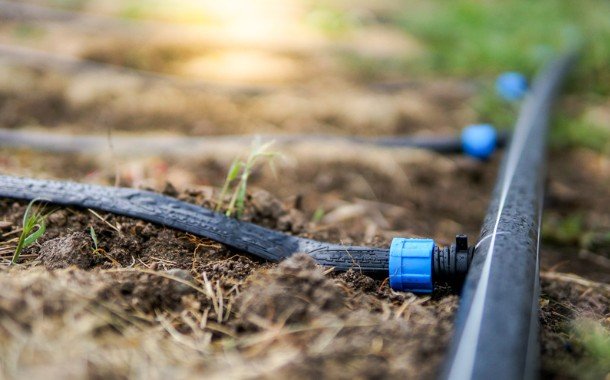
Gravity does not negotiate. If the system is not designed to account for it, water will follow the easiest route downhill. That is why component selection matters. Smart controllers help regulate watering schedules. Properly placed valves help separate zones. Drip control kits can provide a more measured delivery for shrubs and beds. Together, these choices help the system respond to slope conditions instead of fighting them.
The Design Choices That Reduce Runoff Most Effectively
Runoff is usually the result of too much water in too little time, delivered in the wrong pattern. Strong irrigation design reduces that risk by controlling how water enters the soil, how long each zone runs, and how consistently the system performs under changing conditions.
One of the most effective strategies is to keep irrigation zones simple and purpose-driven. Turf typically needs a different application style than ornamental beds. Steeper sections often benefit from shorter, repeated cycles that allow moisture to absorb between intervals. That approach is not complicated, but it does require careful planning and the right controller settings.
It is also important to think about precipitation rate. If sprinkler heads apply water faster than the soil can absorb it, runoff starts almost immediately. On slopes, that problem is amplified. A well-designed system reduces the output rate, adjusts runtime, and uses application methods that fit the site rather than forcing the site to tolerate the system.
Colorado Outdoor Environments uses this logic to align irrigation with landscape performance and water conservation. That is the practical value of professional design. It helps a property look healthy without treating every section as if it were flat, identical, or equally thirsty.
How Colorado Outdoor Environments Builds a System That Actually Works
Colorado Outdoor Environments brings over 30 years of experience to projects where terrain and water management both matter. That matters on sloped properties because the work is rarely about a single fix. It is about coordinated decisions made in the right order.
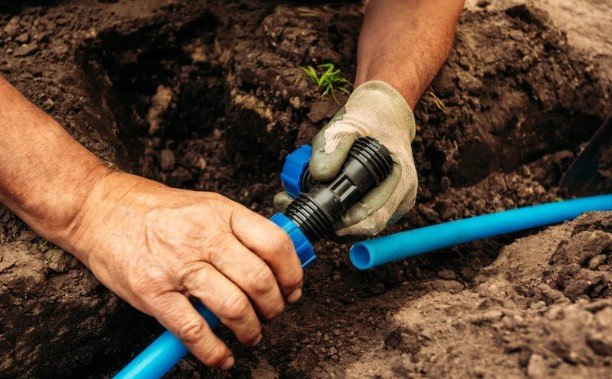
The process typically begins with a technical review of the site and the point of connection. Water pressure and volume are evaluated first so the system can be designed within real operating limits. From there, the layout is mapped, zones are planned, and components are selected based on the actual demands of the property. That kind of engineering reduces guesswork and improves consistency.
A slope-aware system may include:
- Smart irrigation controllers that can manage schedules more precisely.
- Valves that separate zones by plant type or exposure.
- Drip control kits for beds and planted areas that need slower delivery.
- Sprinkler heads placed and selected to support even coverage without overshooting target areas.
- Lines routed to support efficient water movement across the property.
The value of this approach is not only technical. It is operational. A system that is designed correctly is easier to manage, easier to adjust, and less likely to create chronic runoff problems that require repeated correction.
Why the Best System Is Usually the Simplest One
On slopes, overcomplication can create new problems. Too many mismatched zones, too much overlap, or too much pressure variation can make a system harder to maintain and less predictable. A cleaner design often performs better because each zone has a clear purpose and a clear watering strategy.
That simplicity does not mean basic. It means disciplined. Just as office environments influence productivity, outdoor environments shape how irrigation systems perform. Colorado Outdoor Environments designs systems that are efficient because they are tailored, not because they are stripped down.
Practical Lessons for Residential Slopes
For homeowners, the most useful habit is to watch how the landscape behaves after irrigation, not just whether the system turns on. If water is running downhill before it soaks in, the design needs attention. If some plants look saturated while others stay dry, the zoning may be too broad. If the lower edge of a slope is always wetter, the runtime may be too long for that section.
These are the kinds of problems that can hide in plain sight. A system may appear functional while still wasting water and stressing plants. That is why slope irrigation should be reviewed as a whole system, not as a series of isolated parts.
A few practical signals usually point to design improvement:
- Water visibly moves downhill during a cycle.
- Soil near the bottom of the slope stays consistently wetter than the top.
- Plant health varies sharply across the same slope.
- Hardscape edges or drainage paths collect irrigation water.
- Run times feel arbitrary rather than tied to site conditions.
When those symptoms appear, the issue is often design logic, not user behavior. Better scheduling can help, but it works best when the underlying system already reflects the terrain.
The Long-Term Value of Designing for Water Movement, Not Just Coverage
The best irrigation systems on slopes are built to respect how water behaves. They do not assume the landscape will absorb water evenly. They recognize that runoff is often a design failure, not an unavoidable feature of grade. Once that is understood, the right solution becomes more specific and more effective.
That is where Colorado Outdoor Environments stands out. Their work combines technical assessment, site-specific planning, and water stewardship in a way that suits Colorado properties with challenging terrain. For homeowners who want performance without excess runoff, that combination is hard to replace.
If you are planning a slope irrigation project or revisiting an existing system, start with the design, not the schedule. Review how pressure, zoning, and delivery method work together, then choose components that fit the site. For a closer look at residential planning support, see Colorado Outdoor Environments’ residential irrigation design services.