

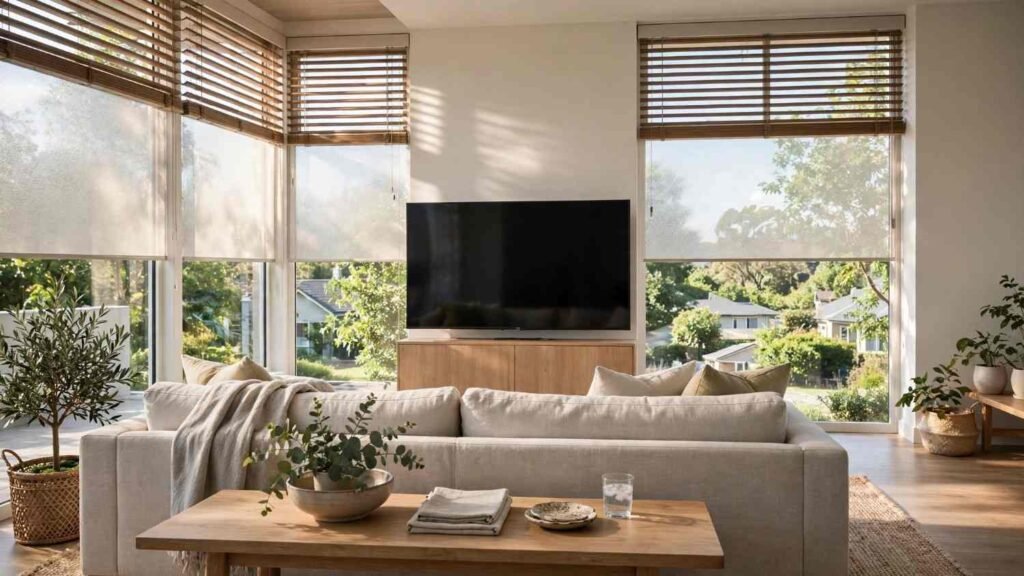


Why Glare Becomes a Real Problem Before Most People Notice It
Afternoon sunlight can make a monitor difficult to read even in an otherwise comfortable room. Closing the blinds may solve the reflection but block more daylight than you want. Understanding where the light comes from helps you compare ways to reduce glare while keeping the room usable.
Many people respond to glare by closing blinds, drawing curtains, or darkening the room more than they want. The result is usually a tradeoff: less glare, but also less natural light, fewer outside views, and a space that feels closed in. For homes and offices alike, that is a poor long-term solution.
This is where professional film makes a difference. Well-chosen window film can soften the harsh reflections that cause eyestrain while still allowing useful daylight to enter. That balance is the real objective. The goal is not blackout. It is control.
For homeowners and business operators comparing options, services for window tinting in Salt Lake City from Simply Cool offer a more measured answer than covering every window with heavy treatments. The point is to keep the room bright enough to feel open, while reducing the kind of direct glare that makes screens and surfaces hard to use.
The Better Approach Is Light Control, Not Light Elimination
The most common mistake is assuming that glare reduction requires sacrificing natural light. In reality, the best solutions are designed to filter the problem light, not block the room from daylight altogether. That difference is crucial in places where sunlight is part of the appeal of the space.
A good film installation works with the window rather than against it. It limits the harshness of direct sun, reduces reflection on glossy surfaces, and helps preserve visibility to the outdoors. That means a living room can remain bright, a conference room can stay professional, and a home office can remain usable without feeling cave-like.
What Good Glare Reduction Actually Changes
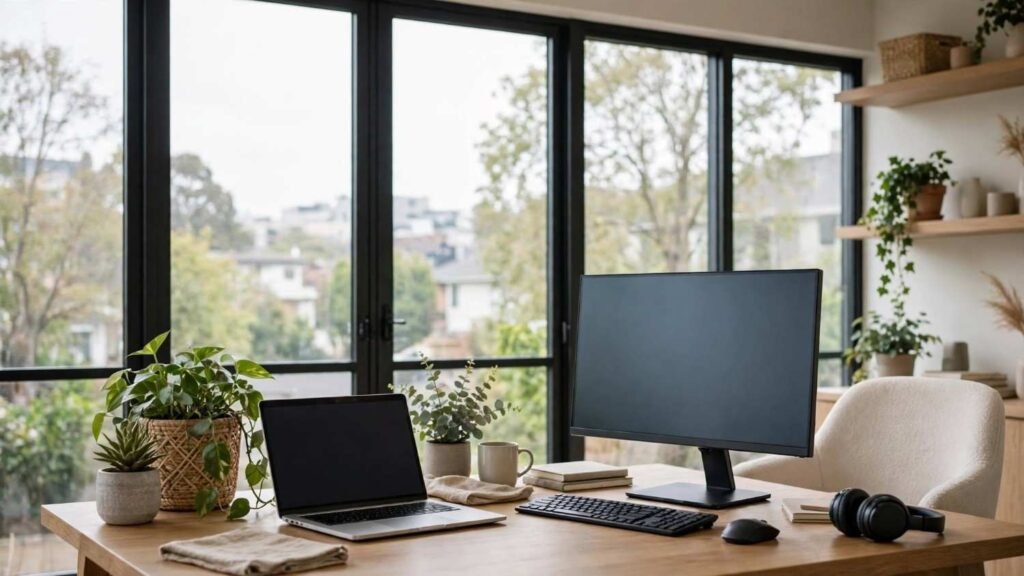
The practical benefits are easy to understand once you look at how the room is used:
- Televisions and computer monitors become easier to view during the brightest parts of the day.
- Eyes do less work adjusting to sharp contrast between the screen and the surrounding light.
- The room keeps its natural daylight instead of relying on shades all day.
- Outside views remain available instead of being blocked by constant curtain use.
- The space feels calmer because the light is more even.
That is the real value of glare reduction window film. It changes the quality of light, not just the quantity.
Simply Cool focuses on this kind of outcome because it is useful in everyday life. A room that looks beautiful in the morning but becomes hard to use in the afternoon is not really working at full capacity. The right film helps restore that capacity without forcing a design compromise.
Why This Matters More In Homes and Offices Than People Expect
Glare is often discussed as a visual issue, but it has broader effects. In a home, it can make a TV hard to watch from a normal seat or turn a bright kitchen or den into a place people avoid during certain hours. In an office, it can interfere with monitor visibility, make video calls less comfortable, and create a more tiring work environment.
The problem is especially noticeable in rooms with large windows, open layouts, or strong sun exposure. Those are often the very features people wanted in the first place. Natural light is desirable. The challenge is making it useful instead of disruptive.
A thoughtful solution also supports the rest of the room’s performance. Window film that rejects heat can help the space feel more comfortable, particularly during brighter months. Film that blocks up to 99% of harmful UV rays also helps protect furnishings, flooring, and displays from fading over time. Those are not abstract benefits. They are part of what makes a room feel maintained instead of constantly under strain.
Simply Cool’s approach fits this larger picture. The company is not only addressing glare in isolation. It is helping property owners improve comfort, preserve daylight, and reduce unnecessary stress on the space.
The Hidden Cost of Doing Nothing
Ignoring glare usually leads to workarounds that create new problems. People raise the thermostat because the room feels hotter in direct sun. They overuse blinds and lose daylight. They replace furniture or displays sooner because exposure is harsh. They also tolerate a level of discomfort that slowly makes a room less attractive to use.
That is why glare reduction should be viewed as an operational improvement, not just a cosmetic one. It can make a room easier to use every day, which is often more valuable than a dramatic but impractical fix.
What Strong Installations Do Differently

Not every film choice produces the same result, and that is where professional guidance matters. The best installations are based on how the room is actually used. A sunny living room, a home office, a retail storefront, and a conference room all present different patterns of light and different priorities.
A strong installer looks at the direction of the sun, the type of glass, the purpose of the room, and the level of privacy or brightness the owner wants to preserve. That kind of assessment is more reliable than choosing a product based only on a sample label or a quick guess.
Simply Cool brings value here because the company works across residential, commercial, and automotive settings. That broader experience matters when the goal is not just tinting glass, but solving a comfort problem with the right balance of visibility, heat control, and visual clarity.
The Right Solution Usually Balances Three Things
The best result usually comes from balancing these priorities at the same time:
- Enough daylight to keep the room bright and welcoming.
- Enough glare reduction to make screens and reflective surfaces usable.
- Enough UV and heat management to improve comfort and protect the interior.
When one of those is overemphasized, the result can feel lopsided. A film that darkens too much can make the room feel heavy. A film that barely changes the light may not solve the real problem. A professional installation aims for the middle ground that actually improves day-to-day use.
This is also why glare reduction film should be seen as a more cost-effective alternative to large-scale window replacement in many situations. New triple-pane windows may be an excellent solution in some cases, but they are not always the most practical or efficient answer when the core problem is glare. In many properties, a targeted film upgrade can deliver a meaningful improvement without the disruption of a major replacement project.
How Daylight-Friendly Glare Reduction Supports Long-Term Comfort
The best home and office improvements are the ones that continue paying off after the initial installation is complete. Glare reduction film does that because it affects daily routines in subtle but important ways. It makes screens easier to use, it helps rooms feel more consistent throughout the day, and it reduces the need for constant adjustment.
That consistency matters. People notice when a room feels good to be in, even if they cannot always explain why. They are less likely to close off a space. They are less likely to avoid certain seats. They are less likely to treat daylight as something to fight against.
For property owners, that means the improvement is both practical and long-lasting. The room remains bright. The view remains available. The harshness is what gets removed.
Simply Cool offers window film options for glare, heat control, and privacy. That combination makes sense for clients who want a solution that feels integrated rather than improvised. Compare the options against the room’s light, privacy, and comfort needs.
In many cases, the smartest upgrade is the one that makes the room easier to live or work in every day without drawing attention to itself. That is the strength of well-designed glare reduction: it improves the experience of the space without changing its character.
The Most Practical Way To Protect Both Screens and Sunlight
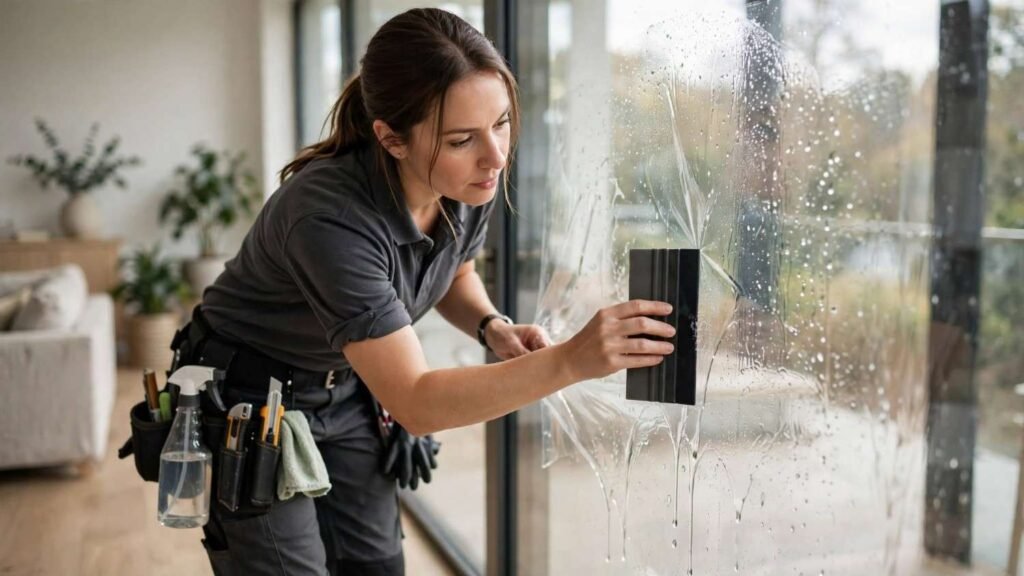
If a room has good daylight but bad screen visibility, the problem is rarely the daylight itself. It is the unmanaged glare. That is why the most effective solution is usually a professional film that softens reflections while keeping the space bright and open.
For homes, that can mean more comfortable TV viewing and a better everyday living environment. For offices, it can mean fewer distractions and a more usable workspace. For both, it can mean less dependence on blinds, less strain on the HVAC system, and better protection for the interior.
For anyone exploring Simply Cool and comparing options for glare control, the key question is not how dark a room can get. It is how well the room can function while staying naturally lit. That is the standard worth aiming for, and it is the reason thoughtful window film remains such a practical upgrade.