





Walk into any world-class boutique hotel, a bustling tech office, or a high-end retail storefront, and you will instantly feel a specific energy. It isn’t accidental. It is the result of deliberate environmental psychology designed to make people feel safe, comfortable, and inspired to stay.
In a world where digital options are just a click away, physical locations must offer something a screen cannot: a compelling, real-world experience. Whether you are a business owner trying to increase foot traffic or a property manager looking to secure premium commercial tenants, understanding how to craft an approachable environment is essential.
Here is a breakdown of what makes commercial spaces genuinely inviting and how you can apply these principles to your property.
1. Prioritizing Natural Light and Dynamic Illumination
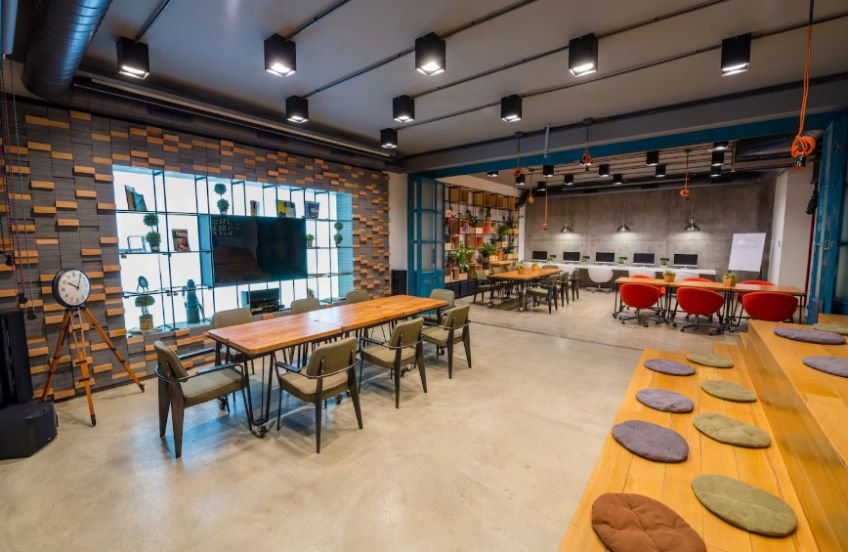
The Quick Answer: An inviting commercial space leverages natural sunlight and layered, warm artificial lighting to eliminate harsh shadows, reduce eye strain, and create an emotionally uplifting atmosphere.
The days of cold, flickering fluorescent tubes are over. Institutional lighting immediately signals discomfort and triggers subconscious feelings of stress or fatigue. To make an environment welcoming, maximize the entry of natural daylight through large, unobstructed windows and skylights. Sunlight triggers serotonin production, instantly putting clients and employees in a better frame of mind.
When natural light isn’t enough, utilize a layered lighting strategy. Combine ambient lighting (general illumination) with task lighting (focused bulbs for working) and accent lighting (fixtures that highlight architectural features or art). Aim for warm-toned LED bulbs (around 2,700K to 3,000K) rather than sterile blue-white hues to mimic a comfortable, high-end hospitality feel.
2. Perfecting the First Impression Outside the Front Door
The Quick Answer: Curb appeal dictates how a customer evaluates your brand before they cross the threshold; flawless walkways, pristine entryways, and well-maintained hardscaping build immediate trust.
An inviting interior means very little if the journey to get there feels neglected. Your exterior property condition sets expectations.
If customers must navigate cracked walkways, peeling paint, or unkempt landscaping, they will carry that negative perception indoors.
Consider the seasonal challenges your building faces. For instance, commercial properties in mountainous or alpine regions often suffer severe winter freeze-thaw damage that destroys concrete surfaces.
Investing in high-quality driveway restoration in Park City UT can transform a cracked, weathered entrance into a smooth, pristine pathway. Taking care of your exterior hardscaping reduces visual friction and signals to visitors that you care about their safety and experience before they even touch the door handle.
3. Designing a Fluid, Intuitive Spatial Layout
The Quick Answer: Inviting commercial spaces feature clear sightlines, wide pathways, and natural progression routes that prevent visitors from feeling crowded, disoriented, or claustrophobic.
When someone steps into a commercial property, they shouldn’t have to guess where to go. A cluttered, maze-like floor plan causes instant micro-frustrations. Thoughtful commercial interior design balances maximizing square footage with protecting the “breathing room” of the environment.
| Spatial Element | The Uninviting Approach | The Inviting Approach |
| Pathways | Narrow, blocked by displays or desks. | Wide, clear, and fully ADA-accessible. |
| Signage | Missing, confusing, or overly small. | Visible, minimalist, and intuitive. |
| Zoning | Loud and quiet activities mixed together. | Distinct areas for privacy vs. high energy. |
By prioritizing open sightlines, guests can effortlessly locate the reception desk, the checkout counter, or the lounge areas without feeling overwhelmed.
4. Embracing Biophilic Design Elements
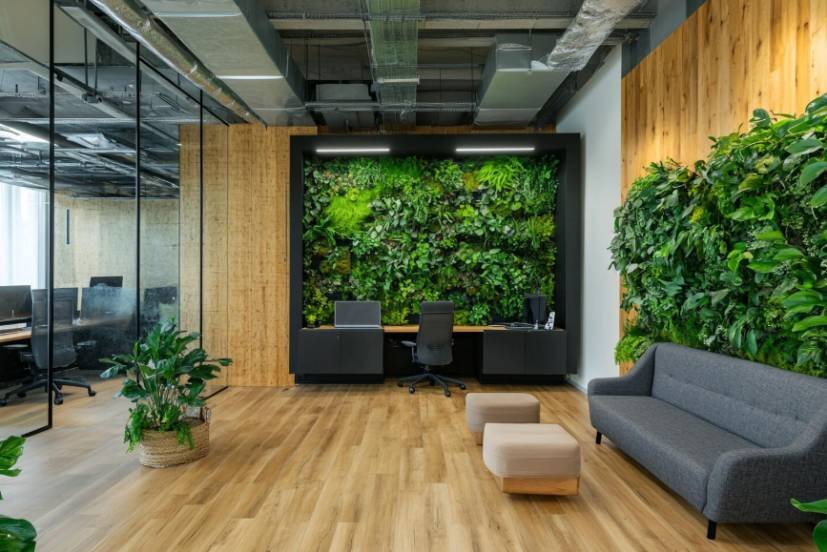
The Quick Answer: Biophilic design—incorporating living plants, natural wood textures, and water features—lowers human cortisol levels and makes indoor environments feel fresh and alive.
Human beings possess an innate connection to nature. Bringing natural elements indoors is one of the fastest ways to make a cold commercial building feel deeply restorative.
You don’t need a massive budget to implement this trend successfully. Consider adding:
- Living green walls or a curated collection of low-maintenance indoor plants (like pothos, snake plants, or fiddle-leaf figs).
- Architectural elements that use raw wood, stone, or bamboo instead of endless drywall and laminate.
- The subtle, calming sound of a small interior water feature near a waiting area or lobby.
Plants do more than look pretty; they actively scrub toxins from indoor air, improving overall indoor air quality and making the space literally easier to breathe in.
5. Harnessing the Subtleties of Sensory Branding
The Quick Answer: True environmental comfort addresses all five senses, relying on soft acoustics, comfortable climate control, and subtle signature scents to round out the visual aesthetics.
Visual layout is only half the battle. A space that looks stunning can still feel entirely uninviting if the ambient noise is deafening or the temperature is freezing. Strategic sensory branding ensures that a visitor’s entire sensory profile is pampered.
This preference for subtle presentation can also extend to digital branding, where how to use invisible text for creative messaging can improve spacing and visual organization without overwhelming the audience.
Acoustical management is highly overlooked in modern concrete-and-glass architecture. Installing acoustic ceiling clouds, heavy drapery, or textured wall panels prevents echoing and allows people to hold conversations at a normal, comfortable volume.
Pair good acoustics with a reliable HVAC system that avoids extreme temperature swings, and consider diffusing a faint, natural scent—like white tea, cedar wood, or citrus—to anchor a positive memory of your location.
6. Elevating Furniture and Touchpoints to Hospitality Standards
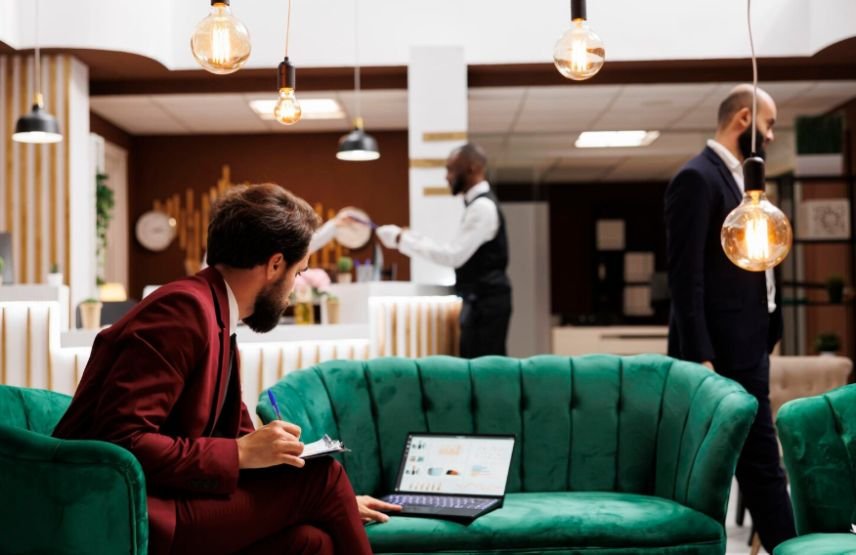
The Quick Answer: Upgrading functional touchpoints—such as replacing rigid seating with plush, ergonomic lounges and providing accessible charging stations—makes visitors feel catered to.
Whether you run a medical clinic, a law firm, or a tech hub, your furniture choices shouldn’t look like they were ordered from a generic office surplus catalog. To make your space inviting, look to the hospitality industry for inspiration.
Swap out rigid rows of plastic or cheap vinyl chairs for grouped seating arrangements that invite collaboration or quiet relaxation.
Ensure fabrics are commercial-grade yet soft to the touch, such as performance velvets or supple leathers. Additionally, small details like easily accessible USB charging ports built into lounge tables or a complimentary premium beverage station show a high level of hospitality that keeps guests lingering longer.
Thoughtful commercial design can also support how to expand your business without losing focus by creating adaptable spaces that accommodate changing customer, staffing, and operational needs.
FAQ Section
1. Why does the entry sequence of a commercial building matter so much?
Psychologists refer to this as the “decompression zone.” When individuals step from the busy outside world into your building, they need a few paces to adjust to the lighting, temperature, and vibe. Keeping this initial zone free of aggressive sales pitches or physical clutter allows visitors to transition smoothly and comfortably into your space.
2. How much does clean exterior property maintenance impact business revenue?
Studies show that consumers routinely associate a building’s exterior condition with the quality of product or service provided inside. Clean windows, fresh landscaping, and pristine concrete structures reduce consumer hesitation and directly correlate with higher foot traffic and brand trust.
3. What are the most common mistakes that make a space feel uninviting?
The biggest culprits are clutter, poor temperature regulation, bright white institutional lighting, and bad odors. Over-branding—where logos and marketing materials plaster every square inch of a wall—can also make visitors feel targeted rather than welcomed.
Conclusion
Creating an inviting commercial space is an art form rooted in human comfort and seamless functionality.
From the strategic application of layered lighting and biophilic elements inside, to the vital execution of exterior property maintenance on the outside, every detail shapes how the public interacts with your brand.
When you eliminate physical and sensory friction points, you create a destination that people don’t just visit out of necessity, but one they truly enjoy returning to time and time again.