




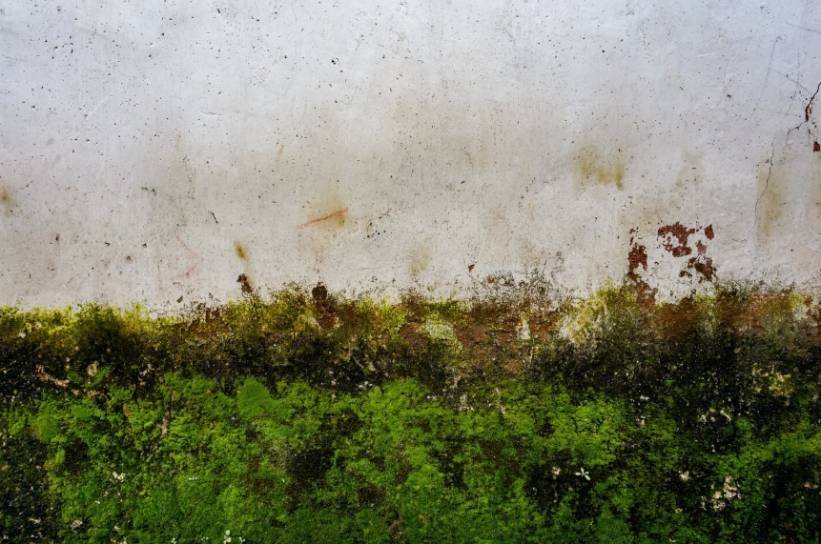
Mold is one of those problems that can grow quietly before anyone realizes it is there. A property may look clean, dry, and well cared for, but mold can still be spreading behind walls, under flooring, above ceilings, or inside hidden spaces.
This is why mold should never be ignored, especially when there has been water damage, leaks, or musty odors. For many property owners, mold testing is an important step when they suspect something is wrong but cannot see the source.
Mold is not always visible on the surface. Sometimes, the first signs are a smell, allergy-like symptoms, stains, or a room that feels damp no matter how often it is cleaned. Understanding how mold spreads can help homeowners, landlords, and business owners take action before the problem becomes larger.
Mold Needs Moisture to Grow
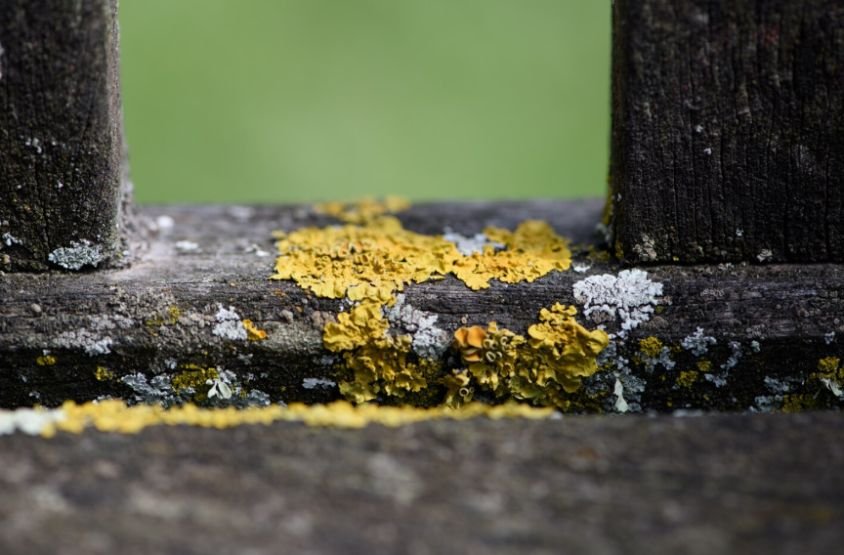
Mold can only grow when moisture is present. This moisture may come from a roof leak, plumbing issue, flooding, poor ventilation, condensation, or high indoor humidity.
Even a small leak behind a wall can create the right conditions for mold growth. The difficult part is that moisture often hides in areas people do not check every day.
Water may collect behind drywall, under cabinets, around windows, beneath carpets, or inside ceiling spaces.
Once mold begins growing in these areas, it can spread quietly. A small moisture issue can turn into a bigger problem when it is not found early. Finding the water source is one of the most important parts of stopping mold from spreading.
Taking practical steps to control humidity, repair leaks, and improve ventilation can help property owners understand how to reduce mold growth in your home before hidden moisture leads to widespread damage.
Mold Can Grow Behind Walls
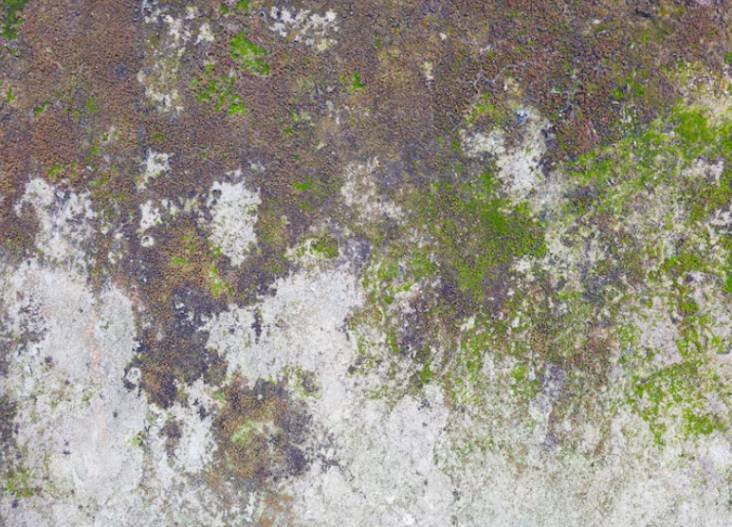
Walls can hide a lot of problems. If a pipe leaks inside a wall or water enters from the outside, the drywall and insulation can absorb moisture. The front of the wall may still look normal for a while, but mold may already be growing on the back side.
Sometimes, signs appear later. Paint may bubble, drywall may soften, stains may show, or a musty smell may become stronger. Other times, the mold remains hidden until repairs or remodeling begin. This is why testing can be helpful when there are signs of moisture but no visible mold.
It gives property owners a clearer idea of what may be happening behind the surface.
Airflow Can Carry Mold Spores
Mold spreads through tiny spores. These spores are small and can move through the air. When mold grows in one area, spores may travel to other parts of the property through air movement, vents, fans, open doors, or daily activity.
This does not always mean mold will grow everywhere. Spores need moisture to settle and grow. However, if another damp area exists in the property, mold can begin spreading there too. Poor ventilation can make this worse.
Bathrooms, basements, laundry rooms, kitchens, and storage areas are common spaces where moisture and limited airflow can create a mold-friendly environment.
Musty Smells Should Not Be Ignored
A musty smell is one of the most common warning signs of hidden mold. Even if you cannot see mold, a damp or earthy odor may mean that mold is growing somewhere nearby. Many people try to cover the smell with air fresheners, candles, or cleaning sprays.
However, these only hide the odor for a short time. They do not solve the moisture problem or remove the mold source. If a musty smell keeps coming back, it is best to investigate. Mold testing in Salt Lake City can help identify whether mold is present and give property owners better information before deciding on the next step.
Mold Can Hide Under Flooring
Flooring can also hide mold, especially after leaks, flooding, or long-term moisture exposure. Carpet, padding, wood flooring, laminate, and subflooring can hold moisture. If these materials stay damp, mold may begin growing underneath.
The top of the floor may dry faster than the layers below. This can make the property owner think the problem is gone when moisture is still trapped underneath. Over time, the floor may smell musty, feel soft, buckle, or show discoloration.
Checking hidden flooring areas is important after water damage. Waiting too long can allow mold to spread deeper into the material.
Ceiling Leaks Can Create Hidden Mold
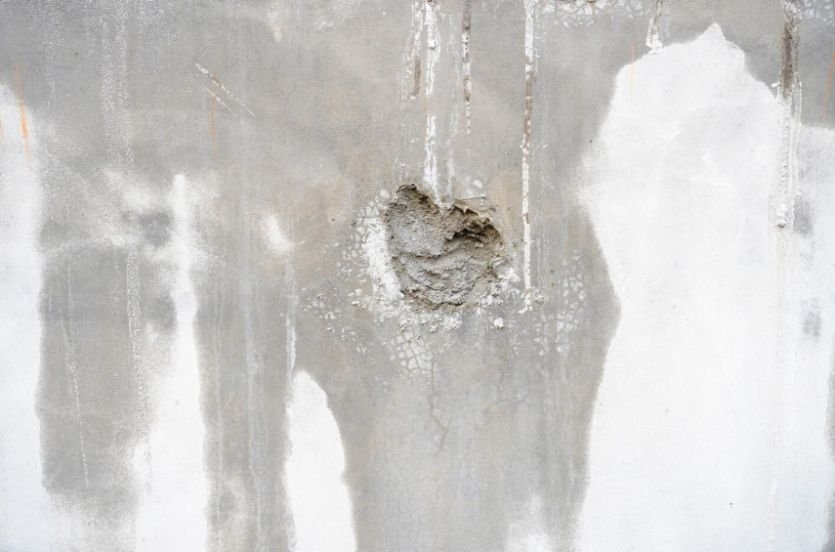
A ceiling stain may seem like a small cosmetic issue, but it can point to a larger moisture problem above. Roof leaks, bathroom leaks, or plumbing issues from an upper floor can allow water to collect in ceiling materials.
Regular maintenance and timely exterior home upgrades can help prevent roof leaks, moisture intrusion, and other conditions that allow hidden mold to develop.
Mold may grow above the ceiling before it becomes visible in the room below. If the ceiling starts to sag, crack, stain, or smell musty, the issue should be checked carefully. Older buildings may also have materials that need special care during repairs.
In some cases, asbestos testing may be considered before disturbing old ceiling materials, especially during renovation or removal.
Mold Can Affect Indoor Comfort
Hidden mold can affect how a property feels. People may notice more sneezing, coughing, itchy eyes, headaches, or breathing discomfort indoors. These symptoms can have many causes, but mold may be one possible factor when moisture or musty odors are also present.
Indoor air quality matters because people spend many hours inside their homes, offices, and buildings. A space should feel comfortable, clean, and safe.
If something feels off, it is better to check the concern instead of guessing. For broader property concerns, environmental testing may also help identify other possible issues that could affect the indoor environment.
Testing Helps Find the Problem Early
Mold can spread quietly, but testing can help bring the issue to light. Instead of relying only on what can be seen, testing can provide useful information about possible mold concerns inside the property. This is especially helpful after water damage, before buying a property, during renovations, or when people notice musty smells and ongoing indoor discomfort.
Early testing can help prevent bigger repairs, protect property value, and support a healthier indoor space.
Addressing hidden moisture and mold early can also complement other upgrades that add value to your home by protecting the property’s structure, comfort, and long-term appeal.
A small concern is easier to manage when it is found early. Waiting often allows moisture and mold to create more damage over time.
Conclusion
Mold does not always appear as a dark spot on a wall or ceiling. It can hide behind surfaces, under floors, above ceilings, and inside damp spaces. Because it can spread through moisture and air movement, a small hidden problem can become larger if it is not addressed.
For property owners who suspect mold but cannot see the source, mold testing can be a smart and practical step.
It helps uncover hidden concerns, guide safer decisions, and protect the people who use the space every day. A clean-looking property is not always a mold-free property, so checking early can make all the difference.