



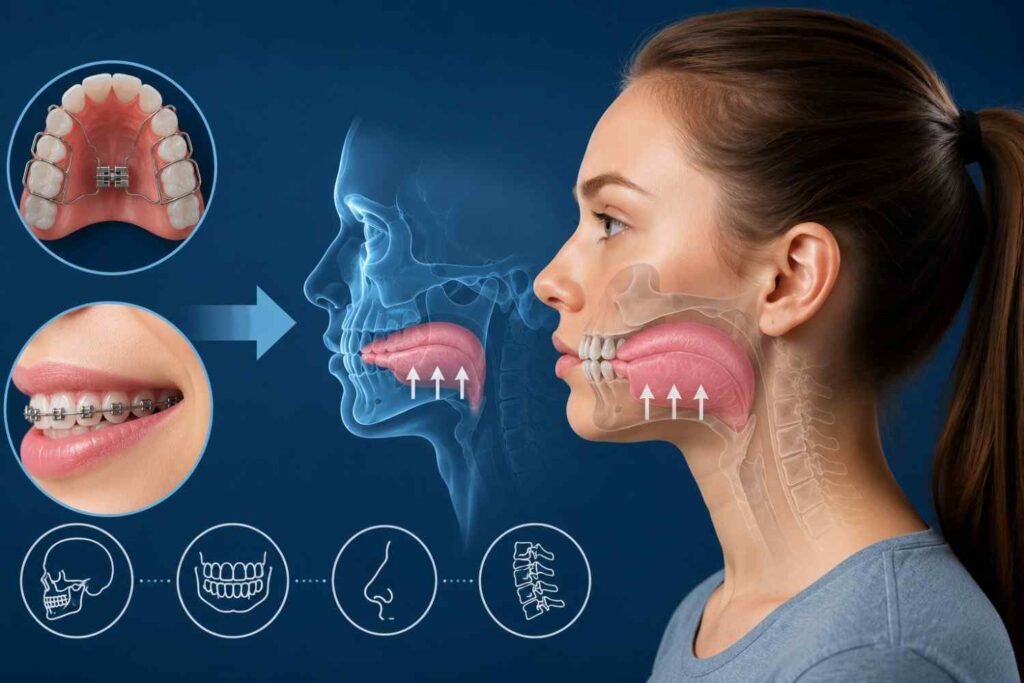
Understanding the Hidden Impact of Orthodontic Treatment
When patients embark on orthodontic treatment, they typically focus on the aesthetic outcome: straighter teeth and a more confident smile. However, the influence of orthodontic appliances extends far beyond mere cosmetic enhancement. One of the most significant yet often overlooked aspects of orthodontic intervention by a Specialist Orthodontist Battersea and elsewhere is its profound effect on tongue posture, which in turn plays a crucial role in the development and function of the entire craniofacial system.
The tongue is not simply a passive muscle sitting in the oral cavity. It is, in fact, a powerful force that exerts constant pressure on surrounding structures, influencing everything from dental alignment to facial bone development. When orthodontic appliances are introduced into the mouth, they inevitably alter the spatial dynamics within which the tongue operates, creating a cascade of effects that can reshape both form and function.
The Biomechanics of Tongue Posture
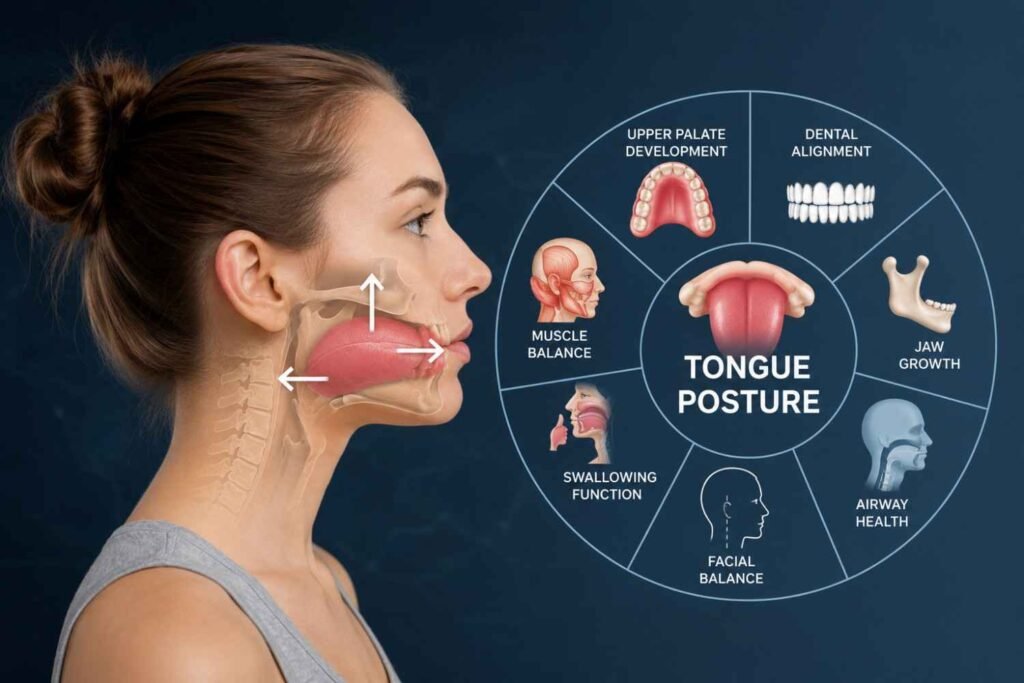
Proper tongue posture involves the tongue resting gently against the palate, with the tip positioned just behind the upper front teeth. This seemingly simple position is actually fundamental to healthy craniofacial development. The tongue acts as a natural palatal expander, applying a gentle, consistent force that helps maintain the width of the upper jaw and supports proper nasal breathing patterns.
When orthodontic appliances such as braces, expanders, or functional appliances are fitted, they occupy space within the oral cavity and can significantly alter where and how the tongue rests. Research has demonstrated that tongue posture influences facial development and craniofacial growth throughout childhood and adolescence, making it essential for orthodontic practitioners to consider these broader implications.
How Different Orthodontic Appliances Affect Tongue Position
Fixed Braces and Lingual Considerations
Traditional fixed braces, whilst highly effective for tooth alignment, create new surfaces and contours within the mouth. The brackets and wires can initially cause the tongue to adopt compensatory positions as it navigates around these foreign objects. Patients often report a period of adjustment during which their tongue feels crowded or restricted, which can temporarily disrupt established posture patterns.
Palatal Expanders and Spatial Reorganisation
Palatal expanders present a particularly interesting case study in tongue adaptation. These appliances physically widen the upper jaw, creating additional space within the oral cavity. Whilst this expansion can ultimately facilitate improved tongue posture by providing more room for proper positioning, the appliance itself initially occupies the precise location where the tongue should rest. Experiences in orthodontic treatment outcomes and oral function have highlighted the importance of monitoring tongue adaptation during expansion therapy.
Functional Appliances and Neuromuscular Retraining
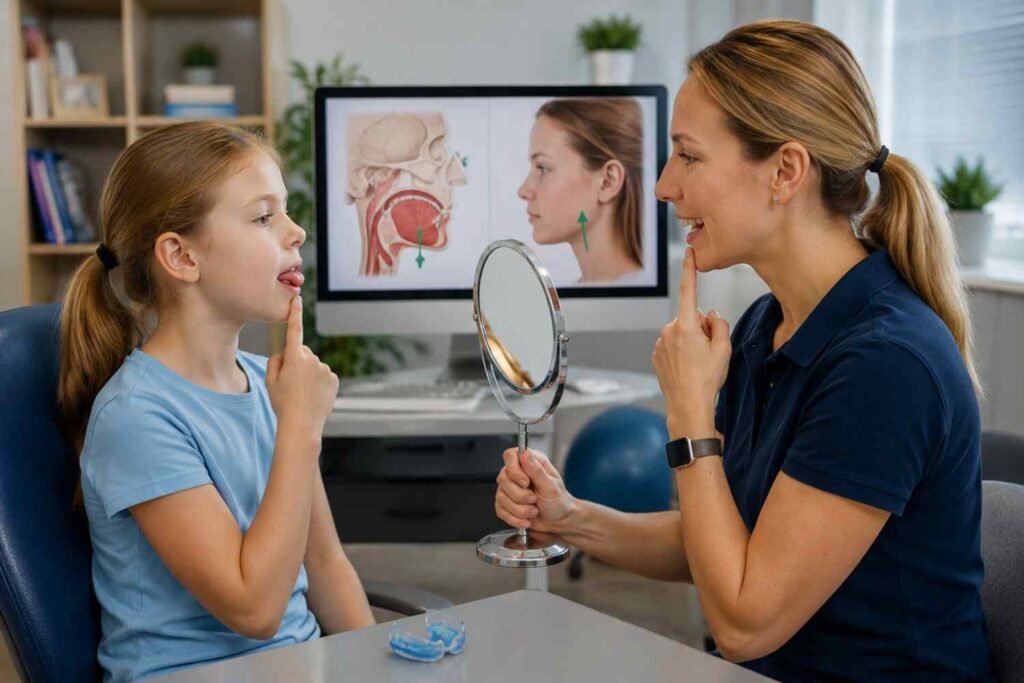
Functional appliances, designed to modify jaw growth patterns, often require significant tongue adaptation. These devices can actually facilitate beneficial changes in tongue posture when properly designed, encouraging the tongue to adopt positions that support rather than hinder treatment objectives. Recent evidence from research on oral appliances and their systemic effects suggests that well-planned interventions can promote healthier tongue positioning long-term.
The Wider Craniofacial Implications
The relationship between tongue posture and craniofacial development operates through a complex interplay of muscular forces, bone remodelling, and airway dynamics. When orthodontic appliances alter tongue position, they potentially influence breathing patterns, swallowing mechanics, and even postural alignment of the head and neck. Poor tongue posture can contribute to mouth breathing, which has been associated with a range of developmental concerns, including altered facial growth patterns and reduced oxygen uptake.
Furthermore, the tongue’s position affects the balance of forces acting on the teeth and jaws. A low tongue posture, for instance, removes the natural counterbalance to cheek muscle pressure, potentially leading to narrow dental arches. Conversely, appropriate tongue positioning supports optimal facial width and can enhance both aesthetic and functional outcomes.
Optimising Treatment Outcomes Through Comprehensive Care
Progressive practitioners increasingly recognise the importance of addressing tongue posture as an integral component of orthodontic treatment. This holistic approach may incorporate myofunctional therapy, breathing exercises, and appliance designs that accommodate and encourage proper tongue positioning. A comprehensive understanding of oral function can also help patients make informed decisions about other dental treatments, including the reasons people choose dental implants when restoring long-term oral health and function. By considering the tongue’s role within the broader craniofacial system, orthodontic treatment can achieve results that extend beyond straight teeth to encompass improved function, enhanced facial development, and better overall health outcomes for patients of all ages.