




Mold is a resilient and opportunistic organism that often goes unnoticed until it has already begun damaging your property or impacting your health. While mold spores are present almost everywhere in the environment, they require specific conditions to germinate and form colonies.
Understanding how to disrupt these conditions is the most effective way to keep your living space safe and clean.
Understanding the Catalyst: Moisture
The single most significant contributor to mold growth is moisture. Mold spores remain dormant on surfaces until they encounter a damp environment.
This moisture can stem from obvious sources like flooding or plumbing leaks, but it often comes from more subtle culprits like high humidity or condensation.
To effectively reduce mold risk, you must maintain indoor humidity levels between 30% and 50%. In areas naturally prone to dampness, such as basements or laundry rooms, using a dehumidifier is essential.
Regularly monitoring these levels with a hygrometer can help you make necessary adjustments to your HVAC system or portable units before a problem arises.
Optimizing Ventilation and Airflow

Proper ventilation is a primary defense against moisture buildup. Without adequate airflow, humidity from daily activities like showering, cooking, and washing clothes becomes trapped. This stagnant, moist air provides an ideal breeding ground for spores.
- Bathrooms and Kitchens: Always run exhaust fans during and for at least 20 minutes after activities that generate steam.
- Basements and Attics: These spaces are often poorly ventilated; consider installing vents or using fans to improve circulation.
- Appliances: Ensure that appliances like clothes dryers are vented to the outside rather than into an attic or crawlspace.
Protecting the Home’s Exterior
Mold prevention starts from the outside in. Structural issues, such as poor drainage or damaged roofing, can allow water to seep into walls and foundations. Keeping gutters clean and ensuring that downspouts direct water away from the foundation are critical maintenance steps.
Homeowners who want to prevent moisture issues while improving long-term property value can also learn upgrades that add value to your home, especially when choosing exterior improvements that protect the structure.
Furthermore, outdoor surfaces can contribute to indoor dampness if not properly sealed.
For homeowners in specific climates, investing in high-quality exterior protection, such as waterproof deck coating in Salt Lake City, can prevent water from saturating wooden structures and eventually migrating into the home’s interior.
Regularly inspecting the foundation for cracks and ensuring that the ground is graded to slope away from the house will also reduce the risk of environmental triggers.
Responding to Water Damage Promptly
When water intrusion does occur—whether from a burst pipe, a leaking roof, or a flash flood—time is of the essence. Mold can begin to grow within 24 to 48 hours of initial water exposure.
Immediately remove standing water and use high-powered fans and dehumidifiers to dry the affected area. Materials that are highly porous and organic, such as drywall, carpeting, and insulation, act as food sources for mold and may need to be replaced if they cannot be dried thoroughly and quickly.
If you suspect water has seeped into hidden areas like wall cavities, seeking professional inspection or testing is a prudent step to ensure no colonies are forming out of sight.
Daily Habits for Long-Term Prevention
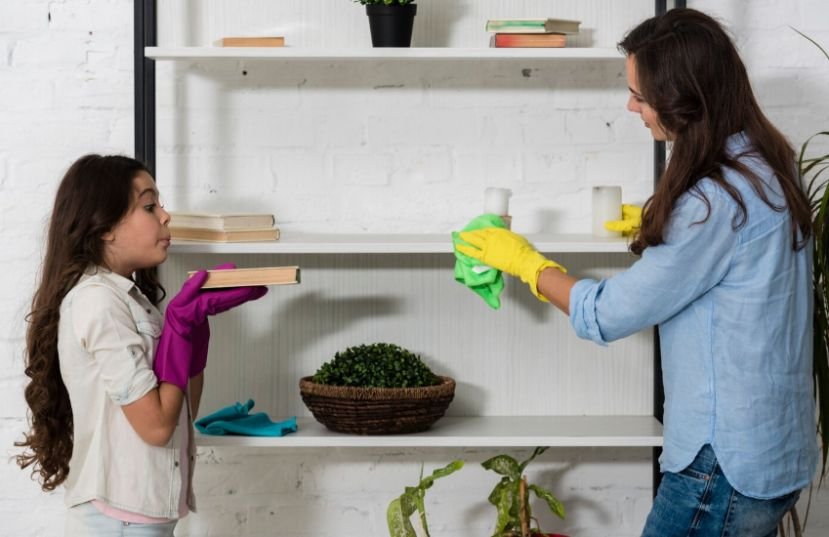
Beyond structural repairs and humidity control, small daily habits can significantly impact your home’s air quality and mold resistance. Thoughtful outdoor planning also supports a healthier home, and you can create your dream garden which can help homeowners design green spaces that reduce excess moisture near the house.
- Clean Regularly: Removing dust and organic debris deprives mold of its food source.
- Manage Clutter: Avoid storing cardboard boxes or old papers in damp areas like basements, as these are primary food sources for mold.
- Inspect Hidden Spaces: Periodically check under sinks, behind toilets, and around refrigerators for slow drips or condensation.
- Dry Wet Laundry: Never leave damp clothes sitting in a washing machine or piled in a basket, as they can quickly become a breeding ground for spores.
In Conclusion
Reducing mold growth is a continuous process of vigilance and moisture management. By controlling indoor humidity, ensuring robust ventilation, and maintaining the structural integrity of your home, you can create an environment where mold cannot thrive.
Remember that early detection is key; addressing a small leak today can prevent a major health and property concern tomorrow. Awareness and proactive maintenance are your best tools for a healthy, mold-free home.