



It is all about striking a balance when trying to select the best possible size of the vehicle for your journey. If you choose a vehicle that is too small, then you shall have a very uncomfortable time with your suitcase hanging by your shoulder. Choose a bigger vehicle than necessary, and you shall be spending too much on rentals and fuel. The idea is to be comfortable while keeping the cost low.
No more prelude; it’s time for the instantaneous solution: Figure out how many passengers you will have, figure out the appropriate luggage numbers, think about the terrain, and make sure to know the specifications of the vehicles you rent.
Blueprinting the Essentials: Aligning Your Trip with The Correct Vehicle Type
In order not to pay more than necessary, you must match your travel plans with the optimal vehicle type. A business trip for one person needs a completely different approach than a family vacation.
The Solo Venture or Couple’s Getaway
If you are traveling alone or with a partner, resist the temptation to upscale. Economy and compact cars are your best financial allies. They offer the highest fuel efficiency and are incredibly easy to park in crowded metropolitan areas. If you are planning an urban vacation and looking for a car rental service in Dubai or another major global hub, navigating tight parking structures and busy highways is much less stressful—and far cheaper—in a compact model.
The Standard Family Vacation

An Intermediate or Standard sedan is usually ideal for three to four people. In this group of vehicles, you will have a dedicated trunk, which means that your luggage will not interfere with the interior space. However, do not forget about rear legroom if you will travel with teenagers.
Choosing the right-sized vehicle is also one of the simple ways to practice sustainable travel, as it reduces unnecessary fuel consumption and lowers your overall carbon footprint. Packing efficiently, avoiding excess luggage, and selecting a fuel-efficient sedan whenever possible are practical steps that help make your trip more environmentally friendly without sacrificing comfort.
Group Adventure or Heavy Luggage Expedition
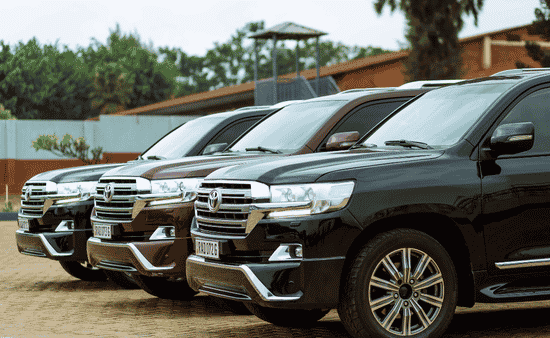
If you will have more than five passengers or special items such as golf clubs, surfboards, camping equipment, and so on, you will need to move to a Full Size SUV or Minivan. The price will be higher but will remain lower than the price of two smaller vehicles.
By the Numbers: Rental Categories and Capacity Realities
Data shows that travelers frequently misjudge how much luggage a vehicle can actually hold. The table below outlines real industry standard capacities and average cost efficiency metrics to help you calculate your needs accurately.
| Vehicle Class | Ideal Passenger Count | Max Luggage Capacity (Large Bags) | Average Fuel Economy (MPG / L per 100km) | Best Suited For | Cost Factor |
| Economy / Compact | 1–2 Adults | 1 Large + 1 Small | 35+ MPG / < 6.7L | Urban exploring, solo business, short weekend trips | Lowest Rate |
| Intermediate / Mid-Size | 3 Adults | 2 Large + 1 Small | 30 MPG / ~ 7.8L | Couples with heavy luggage, small families | Balanced |
| Full-Size Sedan | 4 Adults | 2 Large + 2 Small | 26 MPG / ~ 9.0L | Long-distance highway driving, business comfort | Moderate |
| Compact / Mid-Size SUV | 4 Adults | 3 Large | 28 MPG / ~ 8.4L | Light off-roading, scenic road trips, extra headroom | Moderate |
| Full-Size SUV / Minivan | 5–7 Adults | 4 Large + 2 Small | 20 MPG / ~ 11.8L | Large families, group trips, moving significant gear | Premium |
4 Strategic Steps to Avoid Overpaying
- Ignore the “Free Upgrade” Trap Unless Necessary: Rental counters love offering “complimentary upgrades” to larger vehicles. If you don’t need the space, say no. Larger vehicles consume more fuel, costing you extra at the pump.
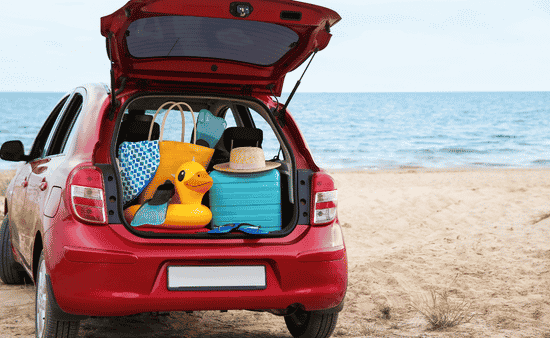
- Use the “Plus One” Luggage Rule: When booking, assume you will have one more bag than you originally planned. It is cheaper to book a slightly larger class online than to be forced to upgrade at the counter at last-minute premium rates because your bags won’t fit.
- Consider the Destination’s Infrastructure: If you are visiting historic European alleys or busy city centers in Asia, your large SUV could be a burden, and you may end up paying high parking tickets or getting into accidents. Make it as small as possible.
- Take advantage of memberships and bundle discounts: Seek out corporate deals or AAA deals and perks from credit cards such as free class upgrades to ensure you get a larger car at the same price.
Key Takeaways
Passengers Over Luggage: People will be able to adjust to a bit less legroom for short trips, but suitcases can’t get smaller. Use the spaces for your bags when creating your vehicle choice.
Sedans Win on Highway Miles: If you’re driving on a paved road for extended periods, the sedan will give you a more comfortable ride and better gas mileage than a similarly priced compact SUV.
Be Aware of Additional Costs: Keep in mind that the tolls, insurance, and airport parking costs tend to be higher for larger vehicles.
Conclusion
Getting the vehicle you need involves more than just a pretty marketing tag; it’s about the actual physical extent of your trip. One way to avoid having to pay for unnecessary spaces in the car is to estimate the actual number of passengers you have, know your surroundings, and set some rules about how much weight your luggage should be. Having a reputable rent a sports car in Dubai that clearly states its fleet sizes will give you an easier, more enjoyable time.