



Childhood and adolescence are periods of rapid emotional, physical, and psychological transition. While it is common for young people to experience occasional shyness or nervousness before a major event, persistent and overwhelming fear of social evaluation points toward social anxiety.
Unlike generalized stress, social anxiety centers specifically on the dread of being judged, embarrassed, or scrutinized by others.
For parents, recognizing this condition can be uniquely challenging. Adolescents and children rarely articulate their internal struggles using clinical terms; instead, their anxiety manifests as behavioral shifts, physical complaints, or strategic avoidance.
Many well-meaning parents misinterpret these signs as defiance, moodiness, or typical developmental phases. By understanding the less obvious, day-to-day triggers that spark social anxiety, parents can provide better support before a child becomes profoundly isolated.
1. Unstructured Peer Environments
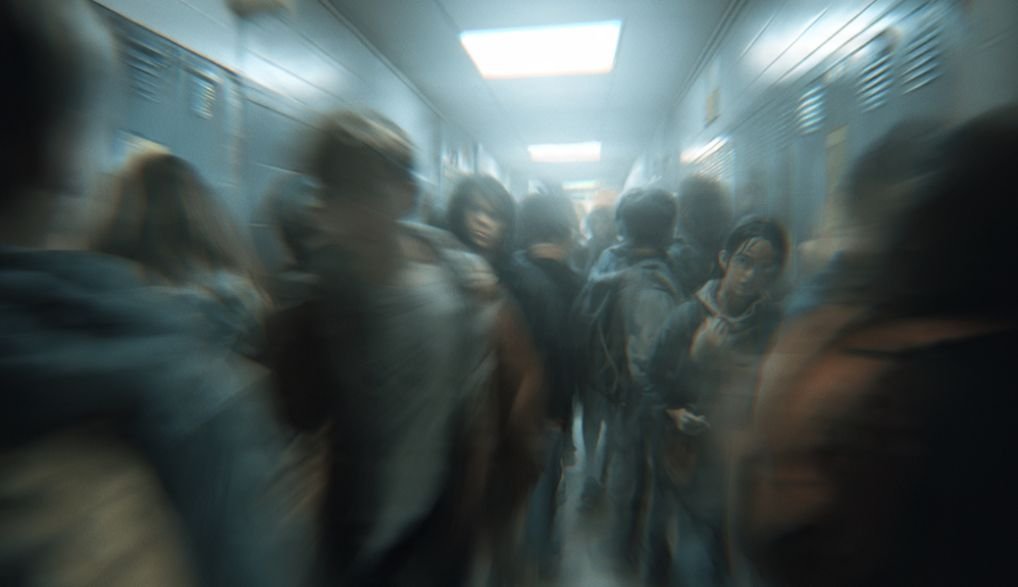
Parents often assume that high-pressure school milestones—such as delivering an oral presentation or taking a final exam—are the primary sources of academic anxiety. While those are undoubtedly difficult, individuals with social anxiety often find unstructured environments far more terrifying.
The school cafeteria, the school bus, the hallway between classes, and the recess playground are major anxiety triggers. In a structured classroom, rules are clearly defined, and interactions are mediated by an adult.
In contrast, unstructured zones require rapid, nuanced navigation of peer hierarchies, unwritten social codes, and spontaneous interactions. A child may experience intense dread over where to sit at lunch or fear walking down a crowded hallway where they feel physically and socially exposed.
2. Anticipatory Distress of Everyday Observations

For a highly anxious youth, the feeling of being perceived is equivalent to being judged negatively. Simple, routine activities that involve being observed by peers or adults can trigger a profound fight-or-flight response.
Triggers in this category include eating or drinking in front of others, writing on a whiteboard, entering a room where people are already seated, or even using a public restroom.
The child’s internal narrative is often consumed by hyper-awareness: Are they watching how I chew? Will my hand shake if I write? Will I trip when I walk past their desks? Because these activities appear mundane to an adult, parents often miss the severe anticipatory anxiety that precedes them, dismissing a child’s reluctance to participate as irrational stubbornness.
3. High-Stress Clinical Gatherings and Physical Exams

Medical, dental, or orthodontic appointments can represent a significant emotional hurdle. To an outside observer, a child’s resistance to attending a check-up might look like a fear of pain or needles. However, for a youth with social anxiety, the trigger is often the clinical environment itself, which involves intense, prolonged focus on their physical appearance, posture, or facial features by an authority figure.
During detailed evaluations—such as pre-treatment consultations involving specialized 3D x-rays, facial mapping, or preparation for corrective bone realignments—the child is placed under a literal and figurative spotlight.
For families exploring complex reconstructive or corrective treatments, such as maxillofacial surgery in Richmond Indiana, the diagnostic process requires extensive documentation of the facial structure. An anxious young person may find the intensive imaging, physical measurements, and clinical discussions about their facial proportions deeply distressing, fearing that their perceived flaws are being magnified and scrutinized by professionals.
4. Performance Expectations and Indirect Praise
It is intuitive to think that criticism triggers anxiety, but praise can be equally paralyzing. When a parent, teacher, or coach loudly commends a socially anxious child in front of an audience, the reaction is rarely pride. Instead, it is often profound discomfort.
Public praise draws immediate, undivided attention to the child, which is their exact phobia. Furthermore, it establishes a high performance threshold that the child feels pressured to maintain.
The internal anxiety shifts from I am not good enough to Now everyone expects me to be perfect, and I will inevitably let them down. Parents who notice their child shrinking away, blushing, or becoming irritable after receiving public compliments may be witnessing a direct anxiety response.
5. Technology and Digital Exposure
The digital landscape has fundamentally rewritten how social interactions occur, creating permanent, low-level anxiety triggers. Unlike physical interactions that conclude when a child returns home, digital peer groups are active twenty-four hours a day.
Triggers in this realm include the anxiety of a delayed response to a text message, the fear of missing out (FOMO) when viewing photos of events they were not invited to, or the pressure to maintain an idealized online persona.
Group chats can be particularly overwhelming; the rapid influx of messages, the ambiguity of text-based tone, and the risk of screenshots being shared outside the group create a high-stakes environment where a single social misstep feels catastrophic and permanent.
When explaining digital triggers, Online interactions can cause anxiety, influenced by underlying triggers that affect how children perceive and react to social pressure .
Conclusion
Social anxiety is not a behavioral choice or a temporary phase of shyness that a child can simply “snap out of.” It is a complex emotional barrier that distorts how a young person perceives their environment. When parents shift their perspective from viewing a child as “difficult” to identifying these hidden environmental triggers, they can foster an atmosphere of safety and open dialogue, paving the way for healthy coping mechanisms and professional guidance.