




Traffic accidents remain a leading cause of injury worldwide. While modern vehicles come equipped with advanced driver-assistance systems, human behavior still dictates the majority of road outcomes. Changing daily driving habits is the most effective method for preventing collisions.
By understanding and implementing proactive safety measures, drivers can protect themselves, their passengers, and pedestrians. This comprehensive guide details five practical strategies you can apply immediately to navigate roads safely and reduce your risk of an accident.
How can you minimize distractions while driving?
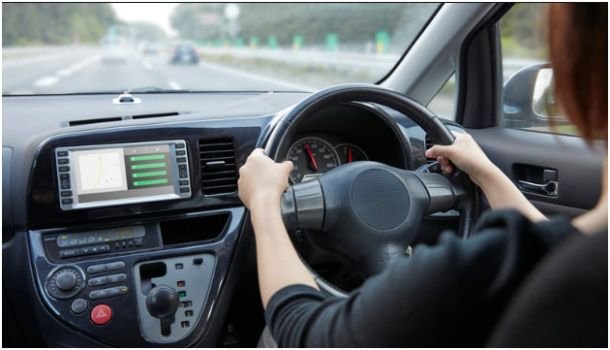
Distracted driving claims thousands of lives each year. Distractions fall into three distinct categories: visual (taking your eyes off the road), manual (taking your hands off the wheel), and cognitive (taking your mind off driving). Texting while driving combines all three of these dangerous behaviors.
At 55 miles per hour, looking away for five seconds is the equivalent of driving the length of an entire football field blindfolded. To combat this, drivers must create an environment that discourages multitasking.
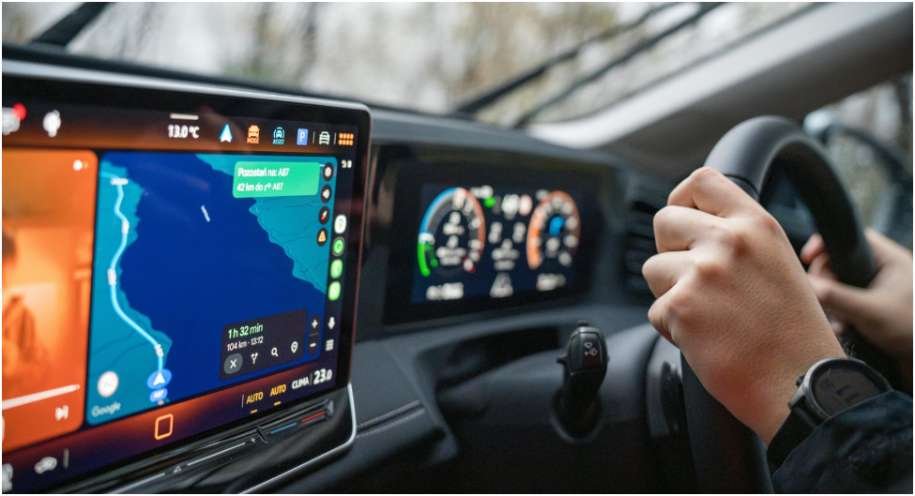
Keep your phone completely out of reach, perhaps in the glove compartment or the back seat. Program your GPS navigation and select your music playlist before putting the car into drive. If an urgent matter arises, pull over securely in a designated rest area before addressing it.
Why is regular vehicle maintenance crucial for road safety?
A well-maintained vehicle responds predictably in emergency situations, whereas a neglected vehicle becomes a liability. Worn brake pads or bald tires drastically increase stopping distances, especially on wet or icy pavement. Drivers should check tire pressure monthly and adhere strictly to the manufacturer’s recommended service schedule.
Routine inspections catch failing components before they cause a blowout or mechanical failure at highway speeds. Visibility also heavily relies on vehicle upkeep.
Replacing worn windshield wipers and ensuring windshield washer fluid reservoirs are full prevents blinding smudges during heavy rainstorms. Keeping headlights, taillights, and turn signals clear of dirt ensures that other motorists can accurately anticipate your movements. Be smart enough with regular maintenance, pay off several bills into a single manageable payment, and keep up with your vehicle upkeep.
What impact does speed management have on collision rates?

Speeding reduces a driver’s ability to steer safely around curves or objects in the roadway. It also extends the distance necessary to stop a vehicle and increases the severity of a crash upon impact. Because kinetic energy increases exponentially with speed, even minor increases above the speed limit drastically multiply the force involved in a collision.
Adhering to posted speed limits provides the necessary time to react to sudden lane changes or sudden stops by other motorists. Furthermore, speed limits are designed for ideal conditions. Drivers must actively manage their speed by slowing down during heavy rain, snow, or fog to maintain optimal traction and control over the vehicle.
How does driver fatigue affect your reaction time?
Driving while sleep-deprived impairs cognitive and motor performance similarly to alcohol intoxication. A tired driver experiences delayed reaction times, reduced vigilance, and impaired decision-making skills. Staying awake for 18 consecutive hours causes driving impairments equivalent to having a blood alcohol concentration of 0.05 percent.
Severe fatigue also leads to “microsleeps,” which are brief, uncontrollable moments of sleep lasting a few seconds. If a microsleep occurs at highway speeds, the vehicle can easily drift into oncoming traffic. To avoid drowsy driving, secure seven to eight hours of sleep before long trips. During extended journeys, commit to taking a 15-minute break every two hours to stretch, hydrate, and rest your eyes.
How can reducing glare prevent road accidents?

Sun glare temporarily blinds drivers, causing a severe drop in visibility during early morning and late afternoon hours. This blinding light delays reaction times when a pedestrian steps into the crosswalk or the car ahead brakes suddenly. Mitigating this solar interference is a critical component of safe driving.
A highly effective way to cut down this harsh glare is by applying automotive window film. For instance, getting high-quality window tinting in Utah helps keep the glass intact upon high impact while significantly increasing overall visibility. Blocking harmful UV rays also prevents the cabin from overheating, which reduces driver fatigue and helps you maintain sharp focus on the road ahead.
The Long-Term Impact of Safe Driving Habits
Road safety is a continuous commitment rather than a one-time checklist. Every time a driver starts the engine, their choices ripple outward, affecting the flow of traffic and the well-being of the entire community.
Embracing these five core habits creates a safer environment for all commuters. A conscious effort to remain alert, maintain automotive equipment to shield finances from unexpected bills, and adapt to environmental factors ensures that every journey ends securely at its intended destination.