



The architectural trend toward open-concept design has fundamentally redefined modern living and commercial spaces. Sprawling great rooms, expansive corporate atriums, and unpartitioned retail showrooms offer an immediate sense of grand scale, abundant natural light, and fluid structural movement. By eliminating traditional interior load-bearing walls, designers can create connected environments that adapt effortlessly to changing spatial demands.
However, stripping away interior walls introduces a significant structural vulnerability to the building envelope. In a traditional cellular floor plan, frequent wall intersections act as vital bracing points that absorb structural movement and partition stress. In a large open room, expansive ceilings and long, uninterrupted wall planes are forced to accommodate these mechanical stresses across vast distances.
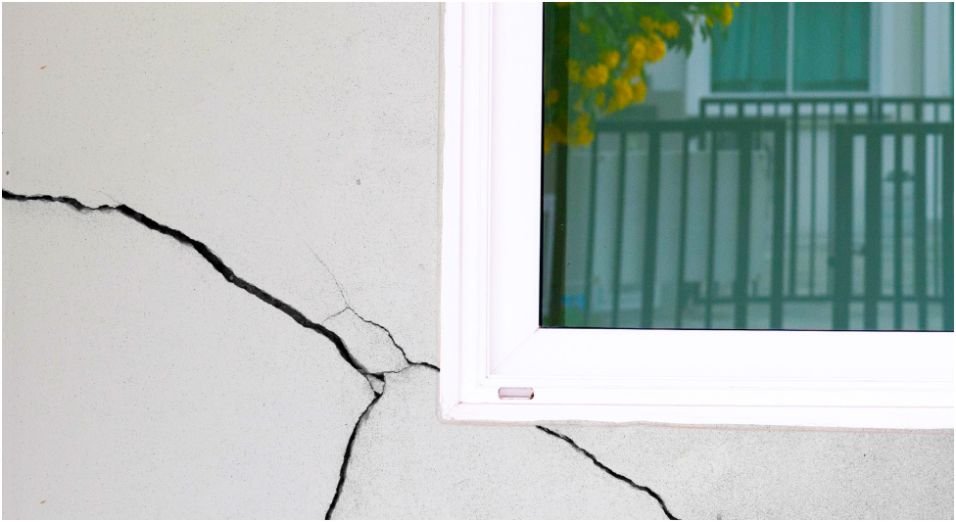
Without careful structural planning, material expansion, building settling, and environmental shifts will inevitably manifest as unsightly, structural cracks across your pristine surfaces. Preventing these aesthetic and structural failures requires a disciplined approach to framing deflection, joint engineering, and meticulous substrate preparation.
1. Managing Framing Deflection and Long-Span Lumber Shrinkage
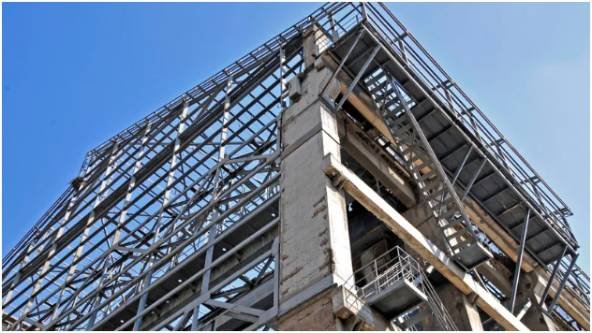
The foundational root cause of structural cracking in large open rooms typically begins long before the finish materials are applied. It is anchored directly within the structural framing skeleton of the building, along with landscaping for modern homes with strong foundation. Large spans require long, heavy structural beams—such as engineered laminated veneer lumber (LVL) or steel I-beams—to bridge the open space without intermediate column support.
While these long-span headers are engineered to bear massive vertical loads, they are inherently subject to micro-deflection, or a slight bending downward under the weight of the roof or upper floors. Furthermore, if traditional green timber framing is utilized, the lumber will release moisture and shrink over its first few seasons of seasonal heating and cooling.
As the heavy framing shifts, deflects, and shrinks across a wide room, it exerts immense twisting forces on the rigid finish panels attached to it. If the framing lacks independent isolation clips or specialized deflection channels, this structural friction transfers directly into the rigid interior surfaces, tearing the taped seams apart and creating long, diagonal stress fractures.
2. Engineering Strategic Control Joints and Relief Breaks

Physical materials are dynamic; they expand and contract continuously in response to fluctuating indoor humidity levels and ambient temperature shifts. Gypsum board panels, while structurally stable in small rooms, experience a significant cumulative volume change when fastened across a vast, continuous ceiling plane.
To prevent this expansion from crushing the panels together and buckling the seams, commercial building codes mandate the integration of deliberate structural relief breaks, known as expansion or control joints. A large, uninterrupted ceiling or wall plane must never exceed thirty feet in a single direction without a control joint.
These specialized transitions feature a flexible, zinc or vinyl V-shaped profile that acts like an accordion bellows. When the macro-surface expands due to mid-summer humidity, the control joint compresses cleanly to absorb the movement; when the environment dries out in the winter, it expands without transferring mechanical stress to the adjacent seams, keeping the main field perfectly flat and crack-free.
3. Optimizing Substrate Installation Mechanics
Preventing surface cracking across a monumental open space demands absolute precision during the mechanical fastening phase. Standard room installations can occasionally tolerate minor structural shortcuts, but an open-concept expanse leaves absolutely zero margin for careless handiwork or improper material handling.
Achieving a resilient, stable surface requires securing highly experienced trade professionals who understand localized environmental demands and the structural dynamics of large-scale construction. For projects located in the rapidly growing commercial and residential sectors of the Intermountain West, selecting the right installation crew is a critical step in risk mitigation.
Partnering with elite drywall contractors in Utah ensures that large-scale wall and ceiling assemblies are engineered to withstand extreme high-desert climate swings, which cause rapid material expansion and contraction.
Professional crews prevent cracking by enforcing strict structural protocols: staggering all panel joints across a field to eliminate continuous weak lines, utilizing heavy-duty mud-in corner beads, and applying high-tensile fiberglass or setting-type compounds at high-stress junctions like window headers and vaulted peaks.
This precise structural installation reinforces the entire interior envelope, granting the substrate the mechanical strength required to resist structural settlement without cracking.
4. The Critical Role of Sub-Ceiling Suspension Systems
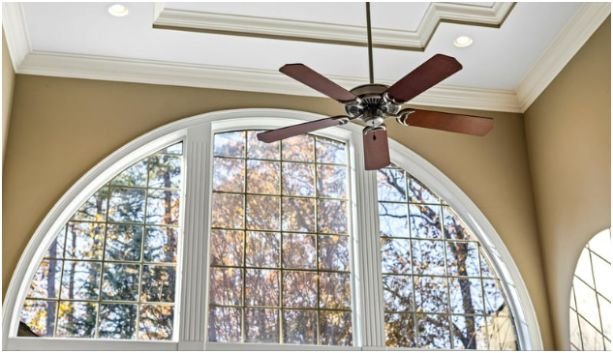
In exceptionally large open rooms, such as institutional ballrooms or sprawling commercial spaces, attaching rigid finish panels directly to the primary roof trusses or floor joists is an immense construction risk.
Roof structures are subject to intense external forces—such as high wind loads and heavy snow accumulation—that cause the trusses to flex and shift continuously.
To completely isolate the interior finish from these aggressive macro-movements, master builders deploy suspended ceiling track networks, frequently referred to as drywall grid systems. Instead of rigidly nailing panels to the shifting wood joists, a heavy-duty steel grid is hung from the main structure using independent, high-tensile gauge wire drops.
This suspended layout allows the roof trusses to flex, deflect, and warp independently overhead without ever transferring those destructive kinetic forces down to the finished smooth ceiling plane below, neutralizing cracking risks at the source.
Conclusion
A beautiful open room should serve as an inspiring centerpiece of architectural freedom, completely unmarred by ugly, recurring surface fractures. Preventing structural cracking across these massive spans is not a matter of luck; it is a calculated triumph of early mechanical planning and meticulous trade execution.
By actively isolating framing deflection, engineering strategic expansion joints every thirty feet, enforcing flawless substrate installation techniques, and utilizing advanced suspended ceiling systems, you can successfully protect your interior spaces from structural decay caused by frequent pipe leaks also. Investing in these unseen, structural safeguards ensures your open-concept design retains its clean, pristine aesthetic for decades to come.