


The Evolutionary Tale Behind Our Third Molars
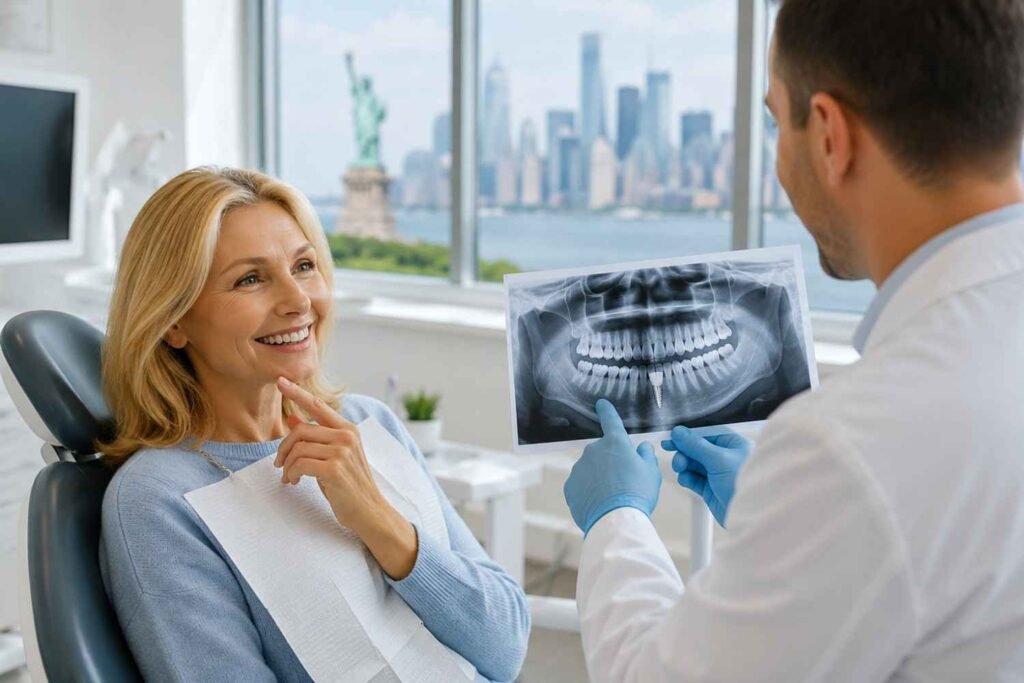
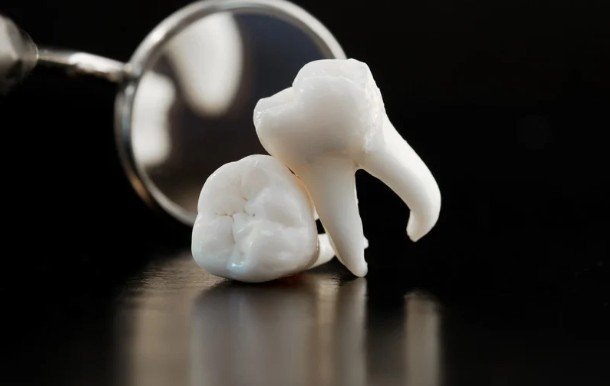
Wisdom teeth, those notorious latecomers to the dental party, have sparked countless debates in dental surgeries across the globe. These third molars, which typically emerge between the ages of seventeen and twenty-five, are remnants of our evolutionary past that continue to perplex patients and dentist Magherafelt alike. Understanding their origins provides fascinating insight into human development and explains why modern dentistry often recommends their extraction.
Our ancient ancestors possessed significantly different dietary requirements compared to contemporary humans. Early hominids consumed a rough diet consisting of roots, nuts, raw meat, and uncooked vegetation. This abrasive fare required substantial chewing power and caused considerable wear on dental enamel. The presence of an additional set of molars proved advantageous, providing backup grinding surfaces when other teeth wore down or fell out. Research into the evolutionary origins of wisdom teeth demonstrates how these teeth served a genuine purpose in prehistoric times.
Changes in Human Jaw Structure Over Millennia

The human jaw has undergone remarkable transformation throughout evolutionary history. Archaeological evidence reveals that our ancestors possessed larger, more robust jaws capable of accommodating thirty-two teeth comfortably. However, as human diets evolved to include cooked foods and processed ingredients, the necessity for such powerful chewing apparatus diminished considerably. The advent of agriculture approximately ten thousand years ago marked a turning point in human nutrition and dental requirements.
Modern humans typically possess smaller jaws than their predecessors, yet most individuals still develop the same number of teeth. This discrepancy creates the fundamental problem associated with wisdom teeth: insufficient space. When these third molars attempt to emerge in a jaw that cannot accommodate them properly, various complications arise.
Understanding Impaction and Associated Complications
Types of Wisdom Tooth Impaction
Partial impaction occurs when the tooth emerges only partially through the gum tissue, creating an opening that becomes susceptible to bacterial accumulation. Complete impaction describes situations where the tooth remains entirely trapped within the jawbone. Angular impaction presents another variation, where the wisdom tooth grows at an awkward angle, potentially pressing against neighbouring molars. Each scenario requires careful assessment by qualified dental professionals to determine the most appropriate course of action.
When Removal Becomes Necessary

Modern dentistry adopts a measured approach when evaluating wisdom teeth, recognising that extraction is not universally required. Professional guidelines, including those outlined in NICE guidance on wisdom tooth removal, emphasise evidence-based decision-making. Dentists recommend extraction primarily when wisdom teeth cause specific problems or pose significant risk of future complications.
Several clinical indicators suggest removal may be advisable. Recurrent infections around partially erupted wisdom teeth, known as pericoronitis, cause considerable discomfort and swelling. Damage to adjacent teeth represents another concern, particularly when impacted wisdom teeth exert pressure on second molars.
Cyst formation around unerupted wisdom teeth, though relatively uncommon, necessitates intervention to prevent bone destruction. Severe crowding that compromises orthodontic treatment outcomes may also warrant extraction. Experts at understanding wisdom teeth evolution and function emphasise the importance of individualised assessment rather than routine removal.
Preventative Versus Symptomatic Extraction
Looking Forward in Dental Care
Wisdom teeth represent a compelling example of evolutionary adaptation meeting modern reality. Whilst these third molars once served essential functions for our ancestors, contemporary jaw anatomy and dietary habits have rendered them largely superfluous.
Modern dentistry balances this evolutionary legacy with evidence-based practice, ensuring patients receive appropriate care tailored to individual circumstances. Regular dental examinations remain crucial for monitoring wisdom tooth development and addressing potential issues before they escalate into more serious complications requiring complex intervention.