





Every successful harvest begins months before the first seed touches the soil. Agricultural planning requires a keen understanding of environmental conditions, resource management, and precise timing. When farmers and gardeners approach the upcoming cycle with a clear strategy, they significantly increase their chances of a robust yield.
Weather patterns fluctuate wildly, and seasonal shifts often arrive earlier or later than anticipated. This unpredictability means growers must remain adaptable and proactive. A well-optimized plan acts as a buffer against these environmental surprises, giving you the flexibility to adjust your methods without compromising the entire crop. Careful preparation minimizes wasted effort and maximizes the potential of every acre or garden bed. By focusing on fundamental agricultural practices, you can establish a strong foundation for the months ahead. The following strategies provide a practical roadmap to help you prepare your land effectively.
1. Conduct a Thorough Soil Analysis
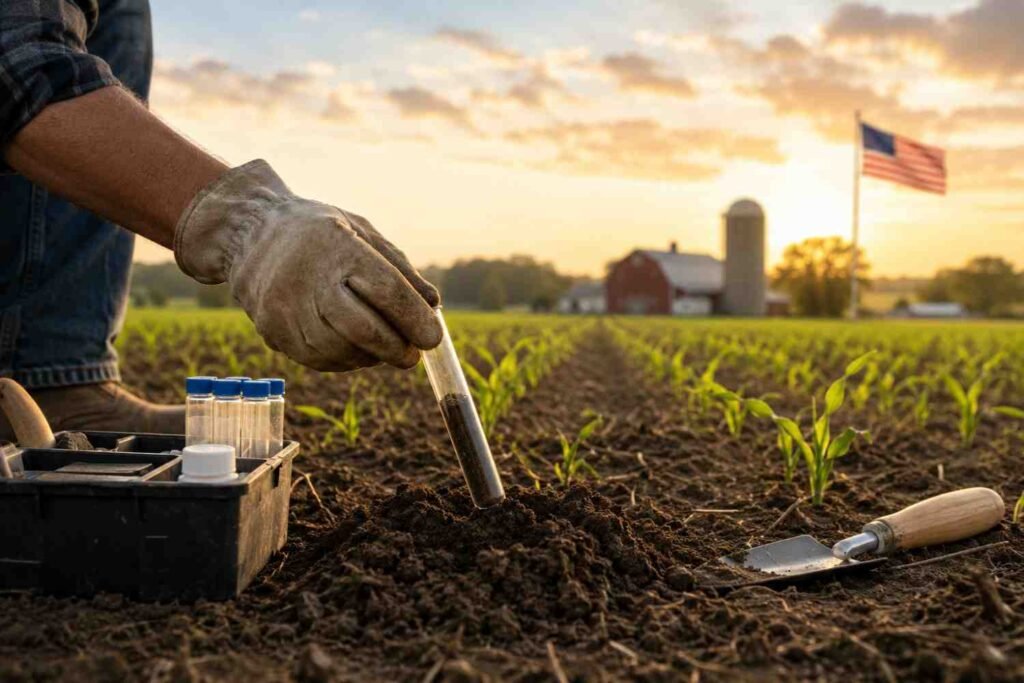
Healthy crops depend entirely on the quality of the soil that supports them. Before you finalize any crop selections, test your dirt to understand its current nutrient profile and pH level. Soil composition changes continuously over time due to weather runoff, previous harvests, and natural erosion.
A comprehensive test reveals deficiencies in essential elements like nitrogen, phosphorus, and potassium. Once you receive the results, you can apply the exact soil amendments needed to restore proper balance. Adding organic compost, cover crops, or targeted fertilizers creates an optimal growing environment. This precise approach prevents over-fertilizing, which protects local waterways from chemical runoff and saves you money on unnecessary agricultural supplies.
2. Select Climate-Appropriate Seeds
Selecting drought-tolerant varieties can safeguard your harvest if your region experiences frequent dry spells. Additionally, source your seeds from reputable suppliers who guarantee high germination rates. Planting certified, high-quality seeds reduces the likelihood of crop failure early in the cycle. Pay close attention to maturity dates to ensure your chosen crops have ample time to reach full development before the first autumn frost arrives.
3. Create a Strategic Planting Schedule
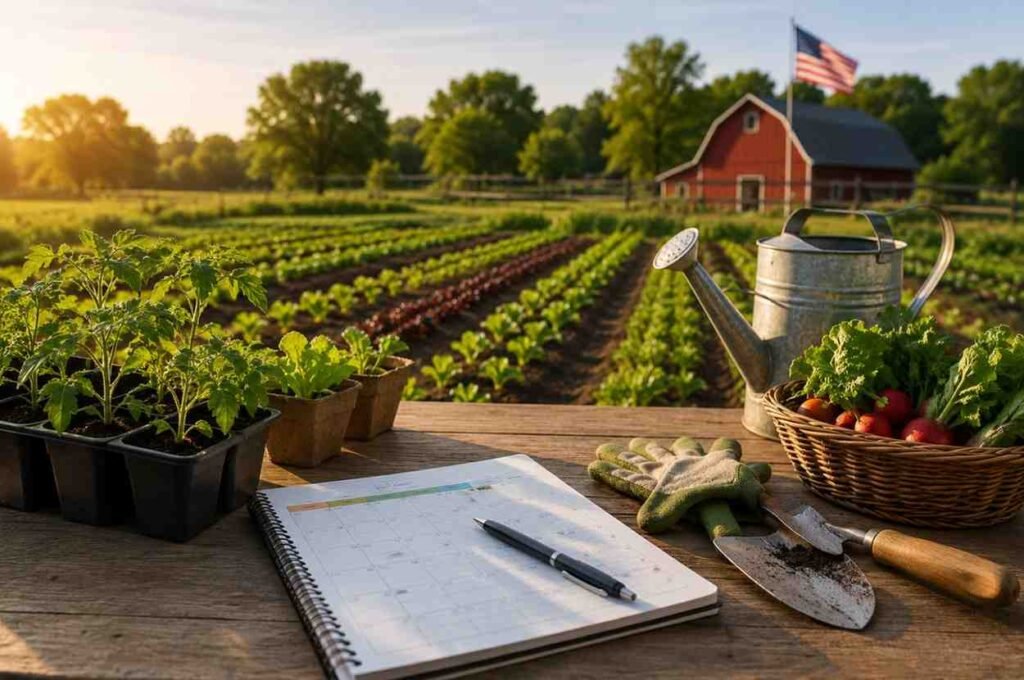
Timing dictates the success of nearly every agricultural endeavor. Instead of relying on a generalized calendar, develop a customized planting schedule tailored to your specific microclimate. Track the average last frost date in your immediate area to avoid losing early seedlings to sudden cold snaps.
Many growers utilize succession planting to extend their harvest window. By staggering the sowing dates of fast-growing crops, you can maintain a continuous supply of fresh produce rather than managing an overwhelming single harvest. Document your schedule in a detailed ledger or digital spreadsheet. This record becomes a valuable reference tool, allowing you to track what thrives and make data-driven adjustments for future planting cycles.
4. Upgrade and Maintain Your Equipment
Reliable machinery streamlines the heavy lifting required during the peak of the agricultural cycle. Before the busy period begins, inspect all tractors, tillers, and hand tools for signs of wear and tear. Sharpening blades, changing engine oil, and replacing cracked belts will prevent unexpected breakdowns that can halt your progress.
Sometimes, older equipment becomes too costly to maintain, making a full replacement necessary. Acquiring modern machinery often requires an initial capital investment. If you operate in Southern California and need to manage these upfront costs, exploring options like loans in Cabazon can provide the funding required to purchase dependable equipment. Having the right tools functioning perfectly ensures you can complete time-sensitive tasks efficiently when the weather conditions align.
5. Implement Efficient Irrigation Systems
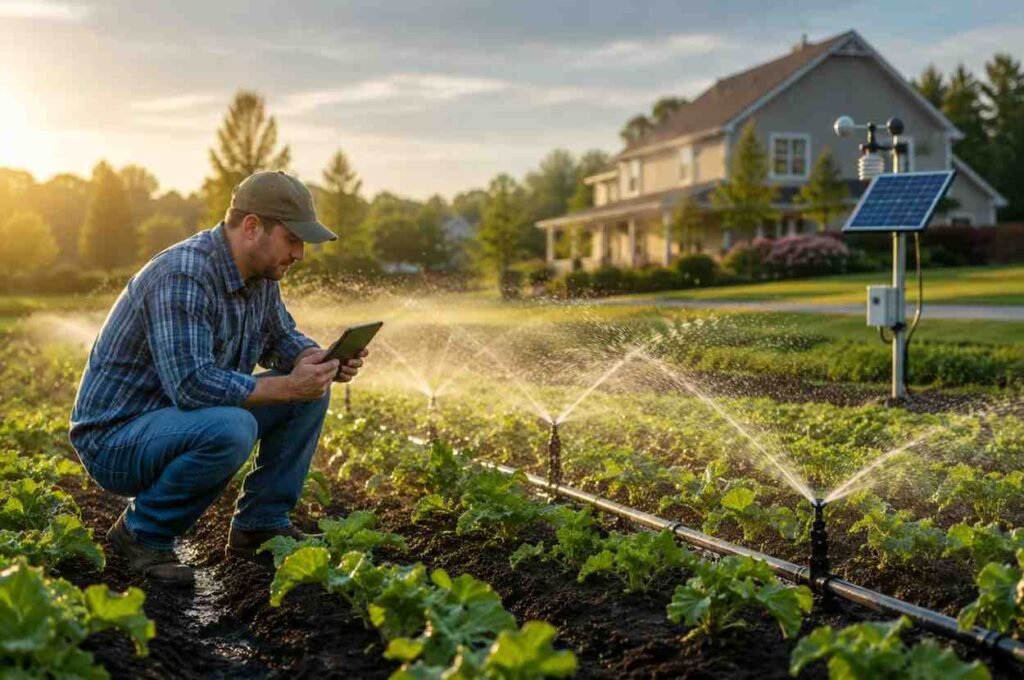
Consistent moisture is vital for early root development and sustained plant growth. However, unpredictable rainfall patterns make relying solely on nature a risky strategy. Installing an efficient irrigation system gives you complete control over your water delivery schedule.
Drip irrigation lines deliver water directly to the base of each plant, minimizing evaporation and reducing weed growth between rows. For larger operations, automated soil moisture sensors provide real-time data, ensuring you only water when the soil actually requires it. This precise application conserves a precious natural resource and protects your plants from the fungal diseases frequently caused by heavy overhead watering.
Reap the Rewards of Careful Planning
Optimizing your approach to agriculture requires attention to detail long before the active work begins. Testing soil health, choosing resilient seeds, and scheduling your field activities create a reliable framework for the months ahead. Maintaining essential equipment and managing water resources further solidify your operation against unpredictable variables.
Agriculture remains an inherently uncertain practice, but implementing these structured methods significantly reduces your risk. By applying these foundational strategies, you establish an environment where your crops have the highest possible chance to thrive from early germination all the way to the final harvest.