



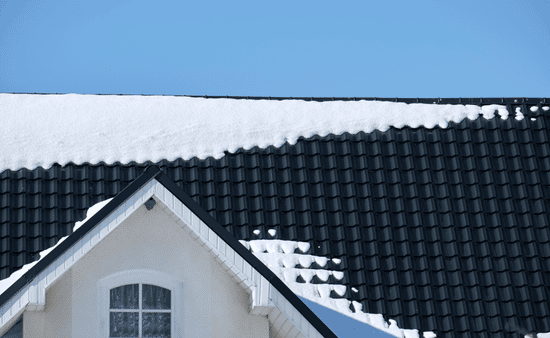
Winter transforms the landscape into a picturesque scene, but for a homeowner, a heavy snowfall is a technical challenge. While residential structures are built to withstand the elements, snow does not distribute its weight or moisture evenly.
Certain areas of a house are naturally more susceptible to damage than others. By identifying these vulnerable points from the top of the chimney down to the concrete foundation, you can take preemptive action to prevent leaks, structural sagging, and costly spring repairs.
The Roof: Valleys and Obstructions
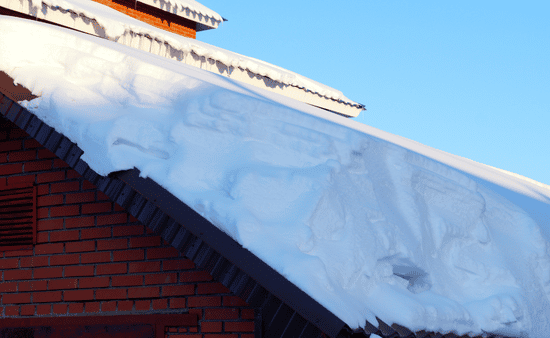
The roof is the primary shield against winter weather, yet it contains several “trap points” where snow accumulates at dangerous levels. A flat expanse of shingles is rarely the issue; the danger lies in the geometry of the roof.
Roof Valleys and Drifts
Wherever two roof planes meet to form a V-shape, a valley is created. These areas act as natural funnels for both snow and meltwater. During a storm, wind often creates drifts in these valleys, piling snow much higher than the surrounding areas.
This concentrated weight puts immense pressure on the underlying rafters. Furthermore, as the snow begins to thaw, these valleys carry the highest water volume, making them the most likely spots for a leak to develop if the flashing is aged or compromised.
Chimneys and Skylights
Any object that protrudes from the roofline creates a secondary vulnerability. Chimneys, skylights, and plumbing vents act as obstructions that catch drifting snow. When snow piles up against a chimney, it can create a “damming” effect, allowing water to seep behind the metal counter-flashing.
Skylights are particularly vulnerable because they represent a break in the roof’s insulation. The heat escaping through the glass can melt the snow directly above it, leading to ice buildup around the frame seals.
The Eaves: The Battleground of Ice Dams
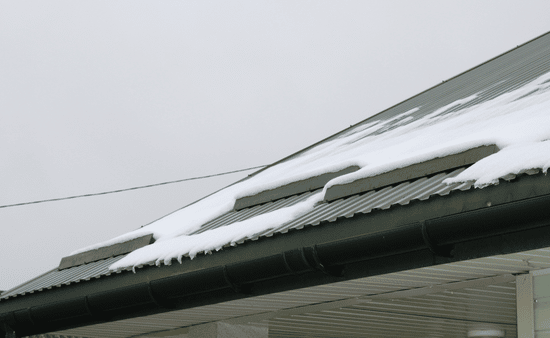
The edge of the roof is perhaps the most frequent site of winter property damage. This is due to the temperature differential between the heated living space and the cold exterior air.
The Mechanics of Ice Dams
When a home’s attic is not perfectly insulated, heat escapes upward and warms the roof deck. This causes the bottom layer of snow to melt, even in sub-freezing temperatures. The resulting water flows down to the eaves, which are not warmed by the house.
Upon reaching the cold overhang, the water refreezes, eventually forming a thick ridge of ice. This ridge prevents subsequent meltwater from draining, forcing it under the shingles and into the walls of the home.
Strategic Mitigation
To combat this, many residents in high-elevation climates seek technological solutions to keep their drainage paths clear. Integrating professional roof snow melt systems in Utah or other mountainous regions can provide a consistent heat source at the roof’s edge.
These systems ensure that water remains in a liquid state until it exits the gutter system, effectively neutralizing the risk of ice dam formation and protecting the interior of the home from water intrusion.
The Gutters: Weight and Drainage Failures
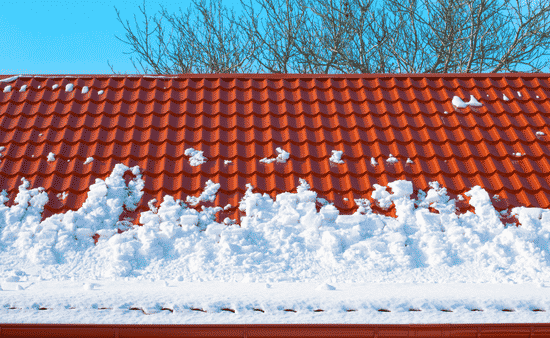
Gutters are designed to handle liquid water, not the massive weight of frozen slush. When gutters fill with ice, they can become incredibly heavy, often weighing several hundred pounds. This weight can pull the gutter spikes out of the fascia board, causing the entire system to sag or collapse. Furthermore, if downspouts are frozen solid, the water has nowhere to go but over the sides, often landing directly against the house’s foundation.
The Foundation: The Danger of the Thaw
The most overlooked snow spot is the perimeter of the foundation. While snow sitting against the siding might seem harmless, it poses a significant threat during a rapid thaw.
Hydrostatic Pressure
As large piles of snow melt near the house, the ground becomes saturated. If the soil does not slope away from the structure, water will pool against the foundation walls. This creates hydrostatic pressure, which can force moisture through microscopic cracks in the concrete. Over time, this leads to damp basements, mold growth, and even structural shifting.
Clearance and Drainage
It is a common mistake to shovel snow from a walkway and pile it against the side of the house. To protect the foundation, snow should be moved at least five to ten feet away from the perimeter. Ensuring that downspout extensions are clear of snow and pointing away from the building is the most effective way to manage the massive volume of water produced by a mid-winter melt.
Conclusion
A home is a complex system of interconnected parts, and winter weather tests every joint and seal. By understanding the specific vulnerabilities of roof valleys, eaves, gutters, and foundations, you can transition from reactive repairs to proactive protection. Monitoring these “hot spots” throughout the season ensures that the beauty of winter remains outside, leaving your home dry, stable, and secure.