




For many drivers, opening the hood of an automobile feels like stepping into a foreign country. The dense maze of hoses, wires, belts, and metal castings can appear incredibly intimidating to the untrained eye. Because of this lack of familiarity, a significant percentage of vehicle owners keep the hood firmly closed until a catastrophic breakdown occurs or a dashboard warning light begins to flash.
However, ignoring what happens beneath the metal panel is a recipe for premature engine wear and excessive repair shop expenses. Modern vehicles are marvels of mechanical engineering, but they still rely on simple physics and basic chemical properties to operate.
You do not need to be a certified mechanic to protect your drivetrain. By developing a few straightforward, routine habits that take less than fifteen minutes to perform, you can spot minor issues early and ensure your vehicle runs efficiently for years to come.
1. Execute a Monthly Visual Inspection of All Hoses and Belts
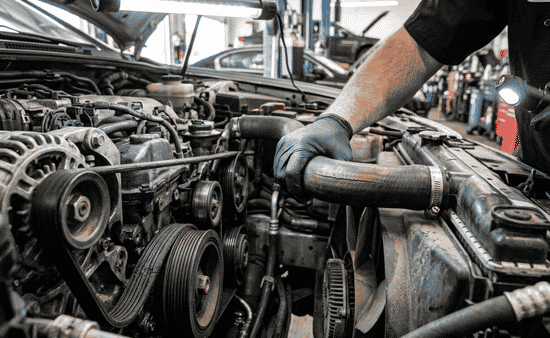
The mechanical components inside your engine bay rely heavily on rubber belts and flexible hoses to transmit mechanical power and move crucial fluids. Over time, continuous exposure to extreme engine heat and cold winter air causes these rubber pieces to degrade.
Scanning for Cracks and Fraying on the Serpentine Belt
The serpentine belt transfers rotational energy from the engine crankshaft to vital auxiliary systems, including the alternator, the power steering pump, and the air conditioning compressor. With the engine turned off, take a bright flashlight and closely examine the smooth and grooved sides of the belt. Look for deep horizontal cracks, missing chunks of rubber, or fraying along the edges. A snapped belt will instantly disable your vehicle, leaving you stranded on the roadside.
Checking for Swelling and Softness in Radiator Hoses
Coolant hoses carry high-pressure, scorching liquid between the engine block and the radiator. Visually inspect the connection points for crusty white or green residue, which indicates a slow, creeping leak. Gently squeeze the hoses when the engine is completely cold. They should feel firm yet pliable. If a hose feels brittle, hard, or excessively spongy and swollen, it is under severe structural fatigue and needs immediate replacement before it bursts.
2. Monitor and Maintain Proper Fluid Levels and Qualities
Fluids are the actual lifeblood of your automobile, serving to lubricate, cool, and provide hydraulic pressure across various mechanical systems.
Assessing Engine Oil and Coolant Reservoirs
Engine oil keeps the internal metal pistons and bearings moving smoothly without welding themselves together from friction. Check your oil level monthly by pulling the dipstick, wiping it clean, reinserting it, and reading the level. The oil should be amber or brown; a thick, black color means it is past its prime. Next, look at the translucent engine coolant reservoir. The liquid level should always sit between the minimum and maximum lines marked on the plastic tank.
Verifying Transmission and Brake Fluid Integrity
If your car features an automatic gearbox, checking the transmission dipstick while the engine idles ensures the gears remain properly lubricated. For safety, glance at the brake fluid reservoir located near the back of the engine bay.
If this fluid appears dark like coffee rather than clear or light yellow, it has absorbed excessive moisture and requires a system flush to prevent brake pedal sponginess. Staying on top of these maintenance checks is one of the simplest ways to improve safety on the road, helping your vehicle respond reliably during everyday driving and unexpected situations.
3. Keep the Engine Air Filter Clean and Obstruction-Free
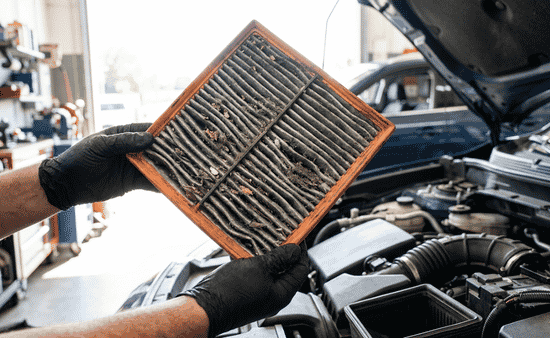
An internal combustion engine requires a precise mixture of fuel and oxygen to generate power. The engine air filter acts as the lung of your car, trapping dirt, dust, and road grit before it can enter the combustion chambers.
The Impact of a Clogged Air Filter
When an air filter becomes choked with debris, the engine must work significantly harder to pull in clean air. This restriction chokes the combustion process, leading to reduced fuel economy, sluggish acceleration, and increased exhaust pollutants.
Performing a Quick Visual Filter Check
Most modern cars feature an easily accessible air filter box held together by simple metal clips. Open the box, pull out the pleated paper filter, and hold it up to a bright light source. If light passes through the pleats easily, the filter is still functional.
If the filter looks completely gray and filled with leaves, bugs, and dirt, replace it immediately to restore optimal airflow. Maintaining optimal engine efficiency and clean combustion pathways through a clean air filter also makes it much easier to pass a mandatory state emissions test in Provo or your local county jurisdiction when registration renewal time arrives.
4. Inspect and Clean the Battery Terminals Regularly
A car battery does more than simply turn on your radio; it provides the massive initial electrical surge required to crank the starter motor and stabilize the onboard computer systems.
Identifying and Removing Corrosive Buildup
As a battery cycles power, chemical off-gassing can cause a white, green, or blue crusty powder to accumulate around the metal terminals. This corrosion acts as an insulator, restricting the flow of electricity and preventing your vehicle from starting reliably. Seasonally inspect the connections, and clean away minor buildup using a stiff wire brush and a mixture of baking soda and warm water.
Ensuring Tight and Secure Connections
While inspecting the terminals, gently wiggle the heavy cables to ensure they are clamped tightly to the battery posts. Loose connections can cause intermittent electrical glitches, dim headlights, or cause the alternator to overcharge the system, shortening the lifespan of your expensive electrical components.
5. Listen and Feel for Subtle Environmental Alterations
The final under-the-hood habit involves using your natural senses to detect changes in the vehicle’s baseline operating character.
Identifying Strange Noises Early
Get into the habit of occasionally turning off the radio and listening to your engine while idling and accelerating. A high-pitched squeal often points to a worn belt or pulley bearing, a deep rumbling indicates an exhaust leak, and a distinct clicking or ticking noise can signal low oil level or valvetrain wear.
Recognizing Unusual Vibrations and Odors
Pay close attention to any sudden vibrations felt through the steering wheel or floorboards when the vehicle is stationary. Furthermore, never ignore unusual smells entering the cabin through the vents. The sweet, syrupy smell of burning antifreeze or the acrid odor of dripping oil hitting a hot exhaust pipe indicates a localized leak that requires immediate mechanical attention before it escalates into a costly structural disaster.
By integrating these five simple, proactive behaviors into your regular household routine, you strip away the mystery of automotive maintenance, protect your financial investment, and enjoy a reliable, high-performing ride for many miles to come.