





In our increasingly interconnected global society, the ability to speak more than one language has transitioned from a unique talent to a vital life asset. Whether acquired during early childhood or learned later in life, bilingualism opens doors to new ways of thinking, communicating, and interacting with the world.
From the rapid brain development of toddlers to the career longevity of working professionals, speaking multiple languages reshapes how we process information and connect with others. For parents looking to give their children an early advantage, programs like a Spanish immersion preschool in San Antonio offer an ideal foundation for lifelong linguistic and personal growth.
Cognitive Advantages: A Workout for the Mind

One of the most remarkable aspects of bilingualism is its profound impact on the brain’s structure and function. Managing two linguistic systems simultaneously alters how neural pathways are constructed, offering significant advantages across every stage of life.
For Children: Building Executive Function
For young learners, managing two languages serves as an intensive cognitive workout. Research demonstrates that bilingual children possess superior executive function, which governs skills like task-switching, memory retention, problem-solving, and attention control. Meanwhile, adults are choosing cosmic style treatments as part of broader efforts to explore creativity, self-expression, and new ways of thinking.
Because their brains constantly filter language systems to focus on the active one, bilingual kids develop excellent mental flexibility and adaptability. They also show heightened metalinguistic awareness, meaning they naturally understand the underlying structure of language, which subsequently boosts their reading, writing, and grammar skills across all tongues.
For Adults: Safeguarding Cognitive Reserve
These neurological benefits do not fade with childhood; rather, they evolve to protect and enhance the adult brain. Bilingual adults are often better equipped to manage distractions and excel in fast-paced, multitasking environments.
Even more astonishingly, studies suggest that regularly engaging both hemispheres of the brain through dual-language use builds a robust cognitive reserve. This neural resilience can delay the onset of age-related cognitive decline, including neurodegenerative conditions like Alzheimer’s disease, by several years.
Cultural Empathy and Social Skills
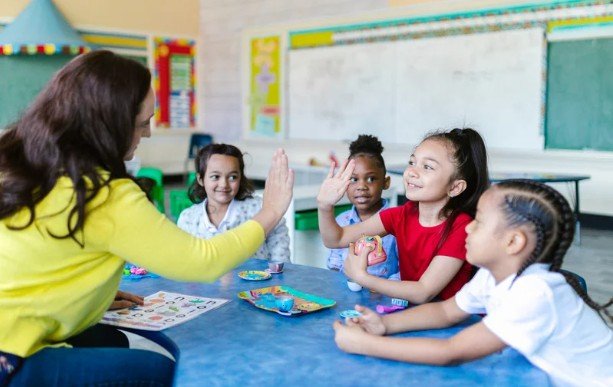
Language is inextricably bound to culture, serving as the primary vehicle for transmitting history, humor, and traditions. Consequently, bilingual individuals develop a deep-seated cultural empathy and social adaptability.
Raising Global Citizens
Bilingual children are exposed early on to diverse ways of thinking. This exposure fosters compassion, open-mindedness, and an innate capacity to interpret nonverbal cues and social dynamics. They grow up viewing diversity not as a barrier, but as a rich tapestry of experiences to be explored.
Bridging Communities
For adults, bilingualism bridges cultural divides in both personal and professional spheres. Speaking a community’s native language allows for authentic communication and mutual respect. Whether traveling, collaborating with international colleagues, or making friends in a multicultural neighborhood, bilingual adults can navigate diverse settings with ease and confidence.
Academic and Career Advantages

The practical benefits of bilingualism manifest clearly in academic results and career trajectories.
Classroom Success
In school, bilingual children consistently show strong performance. The cognitive agility gained from language acquisition translates into heightened academic skills, particularly in complex areas like math, science, and reading comprehension. These students learn how to analyze abstract patterns, giving them an advantage when mastering new, challenging school curricula.
Professional Opportunities
In the global marketplace, bilingualism is a highly coveted professional asset. Industries ranging from healthcare and technology to international finance and education actively recruit individuals who can communicate across linguistic borders. Bilingual professionals can unlock international markets, lead cross-cultural negotiations, and serve diverse customer bases. Ultimately, this competitive edge often translates to broader job options, higher earning potential, and accelerated career advancement.
Conclusion
The decision to embrace bilingualism is an invaluable investment in one’s intellectual, emotional, and social future. For adults, it represents personal growth, professional opportunities, and long-term cognitive health. For children, starting early through immersive education provides a natural, effortless path to fluency.
Enrolling your child in a premier Spanish immersion preschool in San Antonio is more than just an educational choice—it is a lifelong gift that expands their horizons, builds their resilience, and prepares them to thrive in a diverse, globalized world.