



Anxiety can affect sleep, concentration, emotional balance, and daily routines in subtle yet disruptive ways. Many individuals seek supportive wellness practices that encourage physical relaxation and emotional comfort without intense procedures or demanding routines. Craniosacral therapy has gained attention because of its soft touch techniques and patient-centered approach that encourages a calmer mental state.
The craniosacral therapy for anxiety has become a meaningful option for individuals searching for steady emotional support through guided sessions. Practitioners use light hand contact around the spine, skull, and sacrum to release physical tension that may influence emotional discomfort. Several sessions can help clients experience a calmer rhythm, improved rest, and greater emotional steadiness during stressful periods.
Gentle Touch Encourages Nervous System Relaxation
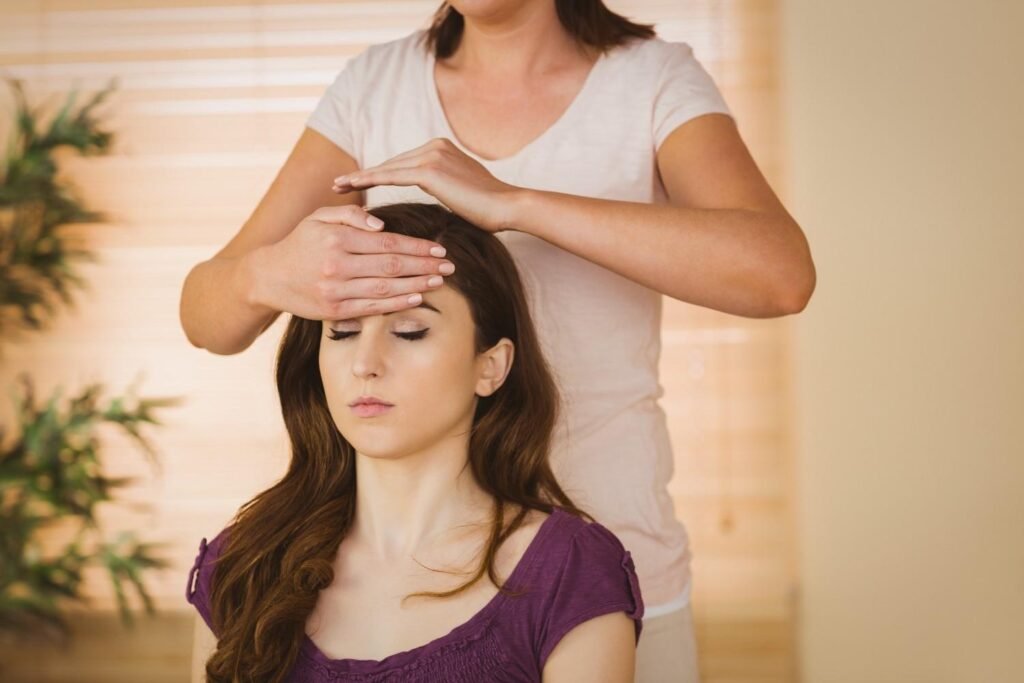
Physical Responses Commonly Observed After Sessions:
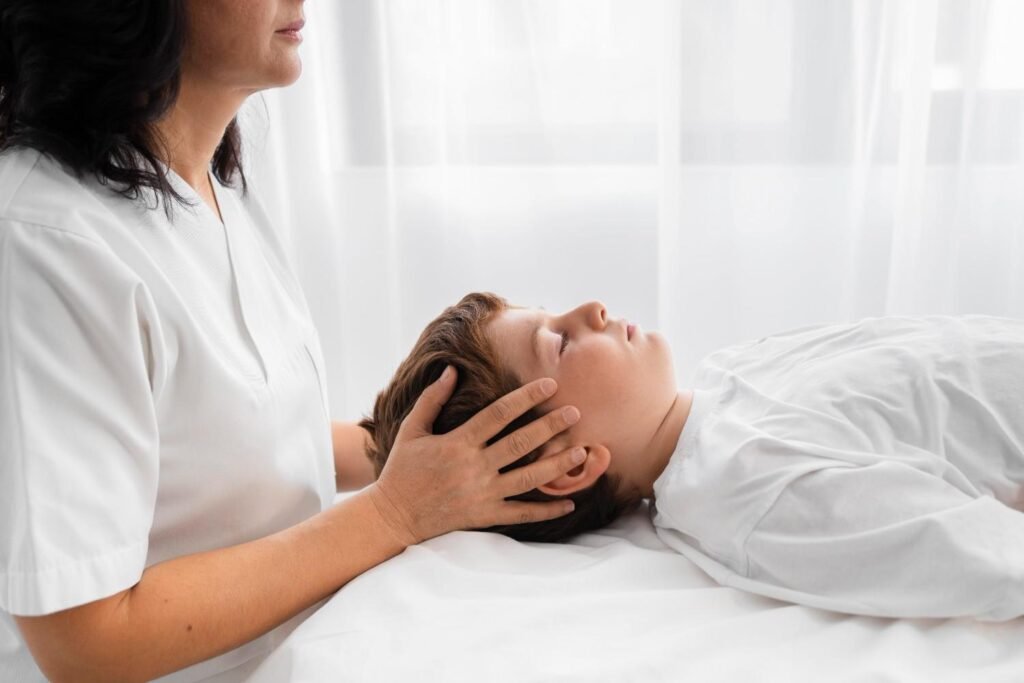
- Reduced muscle tension around the neck, shoulders, and jaw.
- Slower breathing patterns that encourage relaxation.
- Improved sleep quality after repeated appointments.
- Greater body awareness during stressful situations.
- Increased comfort during quiet rest periods.
Emotional Comfort Develops Through Consistent Care
Lifestyle Habits That Complement Therapeutic Sessions

- Quiet evening routines that encourage deeper rest.
- Balanced hydration and nutritious meals during stressful weeks.
- Light stretching exercises that support physical comfort.
- Limited screen exposure before bedtime for improved relaxation.
- Calm breathing exercises practiced during tense moments.
Long-Term Sessions Promote Greater Emotional Stability
Several appointments allow practitioners to observe patterns related to tension, posture, and emotional discomfort over time. Gentle adjustments during each visit may encourage gradual physical relaxation that supports mental calmness. Consistent care also provides a dependable wellness routine that many individuals find comforting during emotionally difficult periods.
Supportive therapies work best when paired with patience and realistic expectations about personal progress. Anxiety rarely disappears after a single session, yet steady therapeutic care can encourage meaningful emotional improvement across several weeks or months. Professional guidance combined with healthy routines and simple ways to calm yourself may help individuals maintain a calmer and more balanced lifestyle.
Calm therapeutic care can offer meaningful emotional support across several guided sessions. Gentle physical relaxation may encourage steadier moods, healthier rest, and improved daily comfort. Consistent care and balanced habits can strengthen emotional resilience during stressful periods.