



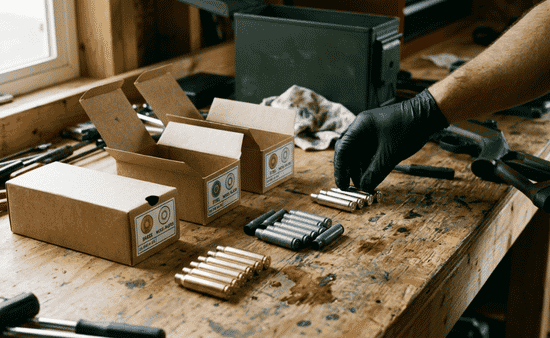
A rifle purchase requires the correct ammunition to function properly. Many new owners grab the first box on the shelf without a second look. A mismatch between gun and cartridge leads to poor performance at the target range. Simple checks before checkout prevent wasted money and frustrated trips to the shooting bench. This article covers five things to check before purchasing any rifle ammo.
1. Caliber Compatibility Specifics
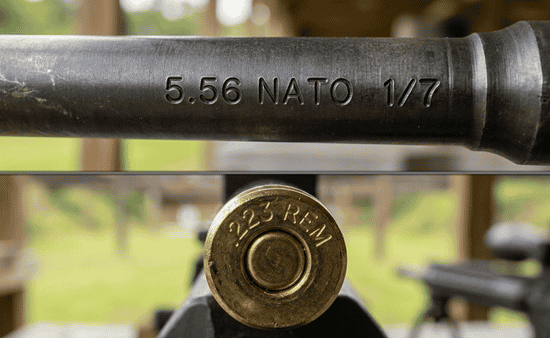
The firearm barrel has a stamp that indicates the exact cartridge it accepts. 5.56 ammo and .223 Remington share similar dimensions but differ in pressure levels. A rifle marked for 5.56 can safely fire both types without issue. A rifle marked for .223 cannot accept 5.56 rounds due to higher chamber pressure. The box label must match the barrel stamp exactly for safe function. A quick visual check of these two numbers takes five seconds and prevents serious problems.
2. Bullet Weight Options
Projectiles come in different grain weights that change the point of impact. A lighter bullet travels faster and shoots flatter at close distances. A heavier bullet retains velocity better and resists wind drift at long range. Standard target loads for practice fall between fifty-five and sixty-two grains. Precision shooting at three hundred yards requires a heavier seventy-seven grain projectile. The shooter selects a bullet weight based on the intended distance and target type.
3. Casing Material Quality
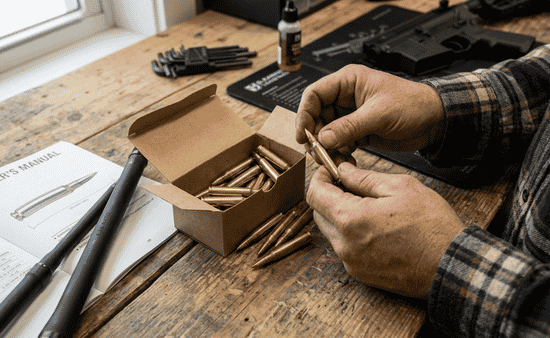
Brass, steel, and aluminum casings each offer different performance traits. The following points explain how casing material affects the shooting experience:
- Brass casings provide reliable extraction and seal the chamber well during fire.
- Steel casings cost less but may stick in a dirty or tight chamber.
- Nickel-plated brass resists corrosion and feeds smoothly in automatic rifles.
A new rifle benefits from brass casings during the first five hundred rounds. A high-volume shooter on a budget may choose steel for practice sessions. The shooter checks the casing type on the box before purchase to match expectations.
4. Brand Reliability Standards
Some manufacturers test every lot of 5.56 ammo for consistent velocity and pressure, which is especially important for shooters learning how to troubleshoot issues during your AR-15 build. Other brands produce wide variations from one box to the next.
A reliable brand publishes velocity data and uses quality control checks at each stage. A shooter finds brand reputation through range feedback from other owners. Ammo from a trusted maker performs the same way across multiple boxes.
5. Velocity Statistics And Ratings
The box label shows a muzzle velocity number measured in feet per second. The following velocity factors change how the bullet behaves down range:
- A higher velocity produces a flatter trajectory with less holdover at two hundred yards.
- A lower velocity creates less felt recoil and reduces shooter fatigue during long sessions.
- Extreme spread numbers under forty feet per second indicate consistent ammunition quality.
The shooter matches velocity to the rifle barrel length for best results. A short barrel needs faster powder to reach full speed before the bullet exits. A long barrel handles slower powders that burn completely inside the tube. The velocity rating on the box guides this selection process.
A smart ammunition purchase starts with caliber checks, bullet weight selection, casing inspection, brand verification, and velocity review. Each factor contributes to a successful day at the range with consistent performance. Shooters who follow these five steps avoid common pitfalls that waste time and money. A few seconds of box inspection leads to better accuracy and more reliable firearm function.