



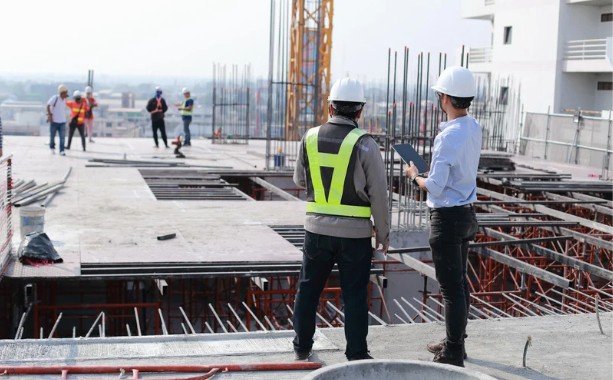
A busy construction site can easily look like absolute chaos to an outsider. Heavy machinery rumbles back and forth, delivery trucks drop off massive loads of materials, and dozens of specialized tradespeople move in every direction at once.
However, beneath this whirlwind of activity lies a strict need for order. In the building industry, poor organization is not just an eyesore; it directly translates to missed deadlines, blown budgets, and severe safety hazards.
Elite project managers know that keeping a site structured is the secret to a profitable, safe build. It ensures everyone can work efficiently without tripping over clutter or wasting time hunting for tools. Here are seven ways modern construction sites maintain peak organization from breaking ground to the final walkthrough.
1. Establishing Designated Material Staging Areas
When tons of lumber, drywall, steel pipes, and concrete mix arrive at a job site all at once, they cannot just be dumped anywhere. Unplanned drop-offs quickly block traffic lanes and force workers to move the same materials multiple times.
To prevent this frustration, managers map out strict material staging areas before deliveries ever arrive. These designated zones keep materials close to where they will actually be used, reducing handling times and minimizing the risk of product damage from moving items across a chaotic site.
2. Setting Up Secure Perimeter Borders
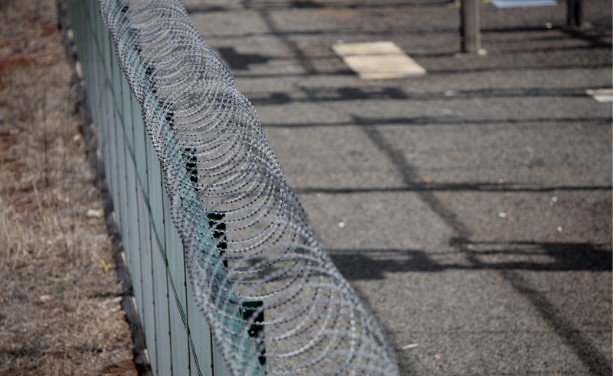
Organization is not just about sorting the items inside a project zone; it is also about defining exactly where the work area begins and ends. Keeping the general public out and establishing an organized point of entry is foundational for safety and logistics.
To draw these clear boundaries, managers rely on heavy-duty temporary barriers to secure the perimeter. Partnering with an experienced fence company in Salt Lake City allows contractors to install reliable fencing that clearly designates access gates for workers, visitors, and heavy delivery trucks. This structured boundary keeps unauthorized pedestrians away from heavy machinery and ensures that incoming deliveries always flow through the correct check-in lanes.
3. Utilizing Daily Morning Stand-Up Meetings
A physical space can only stay organized if the people inside it are completely aligned. Construction projects bring together multiple subcontractors, from plumbers to electricians, who all need to share the same footprint without stepping on each other’s toes.
Every productive workday begins with a brief, mandatory stand-up meeting on site. Supervisors review the day’s goals, coordinate overlapping schedules, and address potential spatial conflicts before tools ever start running. This small habit saves hours of frustrating miscommunication later in the afternoon.
4. Implementing Clear Color-Coded Signage
Successful sites use highly visible, color-coded signs to direct daily foot traffic and operations. Green signs might mark first aid stations and emergency exits, while yellow signs indicate active hazard zones or strict personal protective equipment requirements. Wayfinding signage also guides delivery drivers seamlessly to their proper unloading bays.
5. Adopting Digital Inventory Tracking Software

The days of relying on wrinkled paper blueprints and messy clipboards to manage a supply chain are long gone. Modern project managers use cloud-based inventory tracking software to handle logistics from their tablets right on the field.
These digital tools track tools, raw assets, and equipment rentals in real time. When a crew knows exactly how many pallets of roofing shingles are on hand and precisely who checked out the heavy-duty concrete saws, it eliminates redundant ordering and reduces costly downtime.
6. Enforcing Continuous “Clean-As-You-Go” Policies
Allowing trash, scraps, and packing materials to accumulate until the end of the week is a recipe for workplace injuries. Tripping hazards and cluttered walkways are the primary causes of preventable accidents on a build site.
Great crews implement a strict clean-as-you-go culture. Every subcontractor is responsible for cleaning up their specific workspace at the end of their shift, throwing away debris, and coiling up loose extension cords. A clean site naturally encourages higher craftsmanship standards.
7. Standardizing On-Site Tool Lockers and Gang Boxes
When expensive power tools are left scattered around a job site at the end of the day, they are highly vulnerable to weather damage or opportunistic theft. Losing vital equipment pauses momentum immediately.
Organized sites utilize heavy-duty, lockable tool lockers and communal gang boxes. At the final whistle, workers return shared equipment to these designated containers. This routine ensures that tools are safe overnight and exactly where they need to be when the morning shift clocks back in.
Conclusion
The seamless completion of a complex building project is never an accident; it is the direct result of intentional, daily systems. By establishing material zones, installing secure perimeter barriers, and utilizing digital tracking, a construction crew transforms potential chaos into a predictable process.
Organization is the true backbone of productivity and physical safety in the trades. When a site operates with structure and clarity, every worker can perform their job confidently, projects finish on schedule, and excellence becomes the baseline standard.