




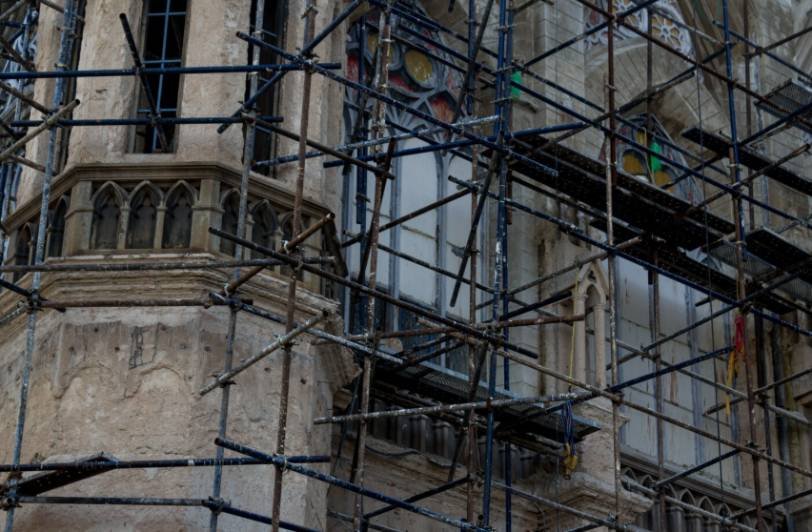
Historic buildings are more than old materials held together by time. They are records of craftsmanship, civic identity, and design choices that cannot be replicated once lost. That is why masonry restoration matters so much: it does not simply fix damage, but protects the features that give a historic structure its meaning in the first place.
The challenge is that many of the most visible problems in older masonry are also the most misunderstood. A crack, a stained facade, or a deteriorating mortar joint may look like a surface issue, but in historic buildings, those signs often point to deeper exposure, moisture movement, or incompatible repairs made long ago. When handled correctly, masonry restoration preserves the building’s original character while extending its useful life.
For firms like Abstract Masonry, the work is as much about restraint as it is about repair. The goal is not to make a historic building look new. It is to make it stable, weather-resistant, and visually coherent without erasing the evidence of age that gives it authenticity.
Why Historic Masonry Fails in Ways Modern Buildings Do Not
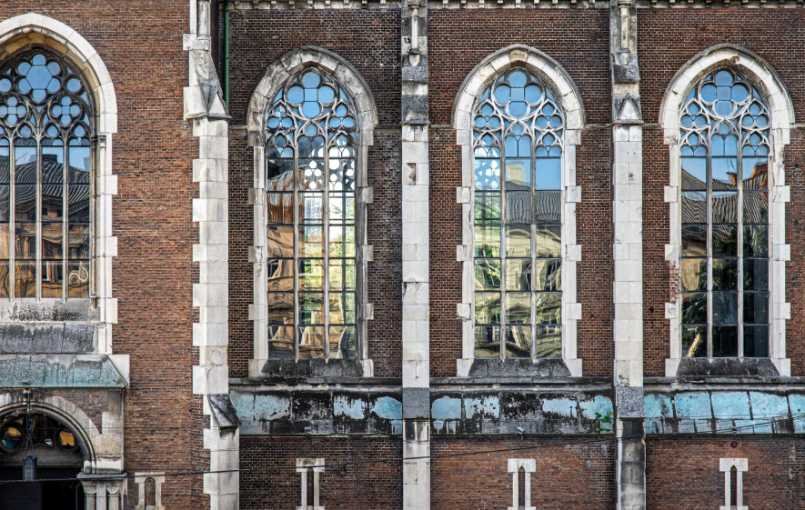
Older masonry systems were built with different materials, different mortar compositions, and different assumptions about how a wall should breathe. That means deterioration does not always follow the same patterns seen in modern construction. A repair that works on a contemporary building can be damaging on a historic one if it traps moisture, alters movement, or introduces materials that are too hard or too dense.
Water is often the central issue. Once moisture enters a wall, it can migrate through mortar joints, stone, brick, terra cotta, or historic concrete. Over time, that movement can lead to spalling, loose masonry, staining, or interior damage. The problem is rarely dramatic at first. It builds slowly, which is why careful assessment matters before any intervention begins.
Historic buildings also fail when previous repairs were too aggressive. Portland-rich mortar, abrasive cleaning, or non-breathable coatings can all accelerate decay. In that sense, restoration is not just about fixing damage. It is about correcting the mistakes that made the building more vulnerable in the first place.
What Good Masonry Restoration Protects Beyond Structure
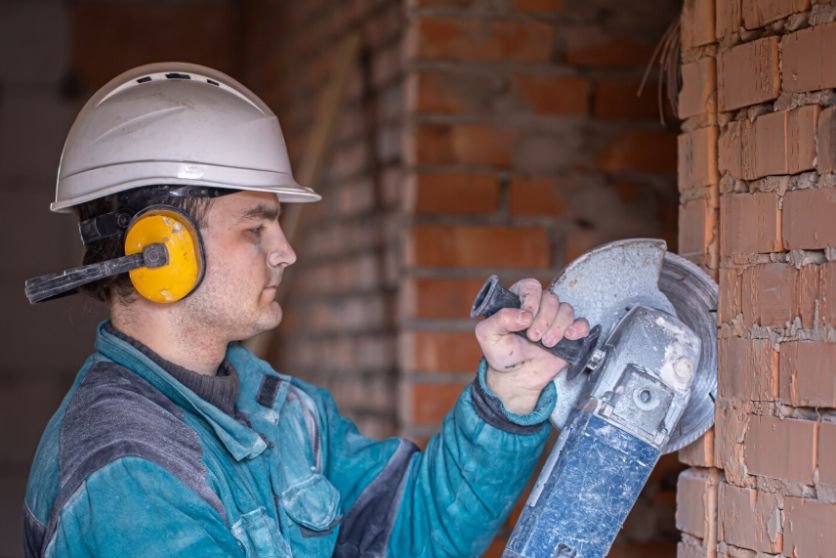
A strong restoration strategy does more than keep walls standing. It protects the visual language of the building. That includes joint profiles, tooling marks, surface texture, color variation, carved details, and the way brick or stone ages over time. These features are not decorative extras; they are part of the building’s identity.
Understanding how exterior building elements contribute to long-term preservation is equally important, and impact of omg co facades provides additional insight into how façade systems influence both architectural character and building performance.
When Abstract Masonry approaches a project, the broader question is not only “what is broken?” but “what must remain unchanged?” That distinction shapes every decision, from mortar selection to cleaning methods to replacement thresholds. On a historic facade, even a small mismatch in color or texture can be visible from the street and can change how the entire building reads.
The Details That Matter Most
The most successful projects usually protect a few specific elements with discipline:
- Mortar that matches the original in strength, color, and texture
- Brick, stone, or terra cotta that is repaired before replacement is considered
- Surface cleaning that removes damaging deposits without stripping character
- Joints and cracks that are stabilized without creating hard visual edges
- Moisture control that respects the wall’s ability to breathe
These details may sound modest, but together they determine whether a building still feels historic after the work is finished. That is where masonry restoration earns its value. It preserves continuity, not just condition.
The Best Repairs Are Often the Least Visible
The strongest historic restoration work is usually the work you notice least. When repairs are done well, they disappear into the building’s original language. The facade still reads as authentic. The repaired section does not shout for attention. The building retains its age, but not its active deterioration.
That invisibility is the result of judgment. Skilled restoration teams understand when to patch, when to repoint, when to consolidate, and when a custom replacement is necessary. They also understand when not to overcorrect. A historic wall should not be forced into a perfectly uniform appearance if that uniformity never existed in the first place.
Repointing as Preservation, Not Cosmetic Cleanup
Repointing is one of the clearest examples of this principle. In a historic building, deteriorated mortar joints can allow water to enter and masonry units to loosen. But repointing must be done with compatible mortar and careful technique. If the new mortar is too hard, it can transfer stress into the brick or stone rather than absorbing movement itself.
Done correctly, repointing strengthens the wall while keeping the original masonry intact. Done poorly, it can accelerate damage. That is why experienced specialists like Abstract Masonry evaluate the full system before selecting the repair approach.
Cleaning Without Erasing History
Cleaning is another area where restraint matters. Historic facades may carry smoke, carbon deposits, graffiti, hard water staining, or old paint layers. Those conditions can make a building look neglected, but aggressive cleaning can permanently alter the surface. The goal is to remove harmful buildup while preserving patina, tool marks, and the natural variation that gives the material depth.
That balance is especially important on delicate materials such as terra cotta, stucco, adobe, and historic concrete. In these cases, the wrong method can do more harm than the stain itself.
Material-Specific Knowledge Is What Separates Repair from Restoration
Historic buildings are not interchangeable. Brick, stone, adobe, stucco, terra cotta, mortar, and historic concrete each behave differently under weather, load, and moisture. A contractor who treats them all the same is not restoring history; they are standardizing it.
This is where specialized knowledge becomes critical. Abstract Masonry has spent more than 30 years restoring historic masonry throughout the United States, including work on major civic and institutional buildings. That kind of experience matters because historic materials demand different responses. A repair that makes sense for one wall may be wrong for another, even on the same building.
Breathability is a good example. Historic masonry often needs to release moisture naturally. A breathable water repellent can help reduce future intrusion without sealing the surface in a way that traps vapor. That is a subtle but important distinction, and it reflects the larger logic of preservation: protect the building without interrupting the way it was built to function.
Custom stone carving and adobe restoration are also signs of true specialization. These are not generic maintenance tasks. They require the ability to reproduce or stabilize material in a way that matches the original fabric of the structure. That is one reason clients seeking historic masonry expertise look for firms that understand both craft and conservation.
Preservation Decisions Have Long-Term Cultural Value
When a historic building is repaired well, the benefit is not just practical. It is cultural. The building remains usable, recognizable, and legible to the community. It continues to communicate who built it, what it was for, and why it still matters. That continuity is easy to lose once inappropriate replacement or heavy-handed repair begins.
Strong preservation work also supports better decision-making over time. Thoughtful maintenance can also work alongside smart upgrades to modernize your older home, helping property owners improve comfort and functionality without unnecessarily removing original architectural features.
A building that is carefully maintained is easier to monitor, less likely to suffer emergency damage, and less likely to require disruptive intervention later. In that sense, restoration is a strategic investment in stewardship. It gives owners, institutions, and communities more options down the road.
For Abstract Masonry, that stewardship aligns with a larger preservation ethic. The company’s work across residential, commercial, and public historic structures reflects a simple but important principle: buildings with historical value should be treated as assets worth defending, not as outdated shells waiting to be replaced.
The most durable historic buildings are not the ones that were treated most aggressively. They are the ones whose materials, movement, and appearance were understood with care. That is the real purpose of masonry restoration: to keep a building structurally sound while allowing it to remain itself.