




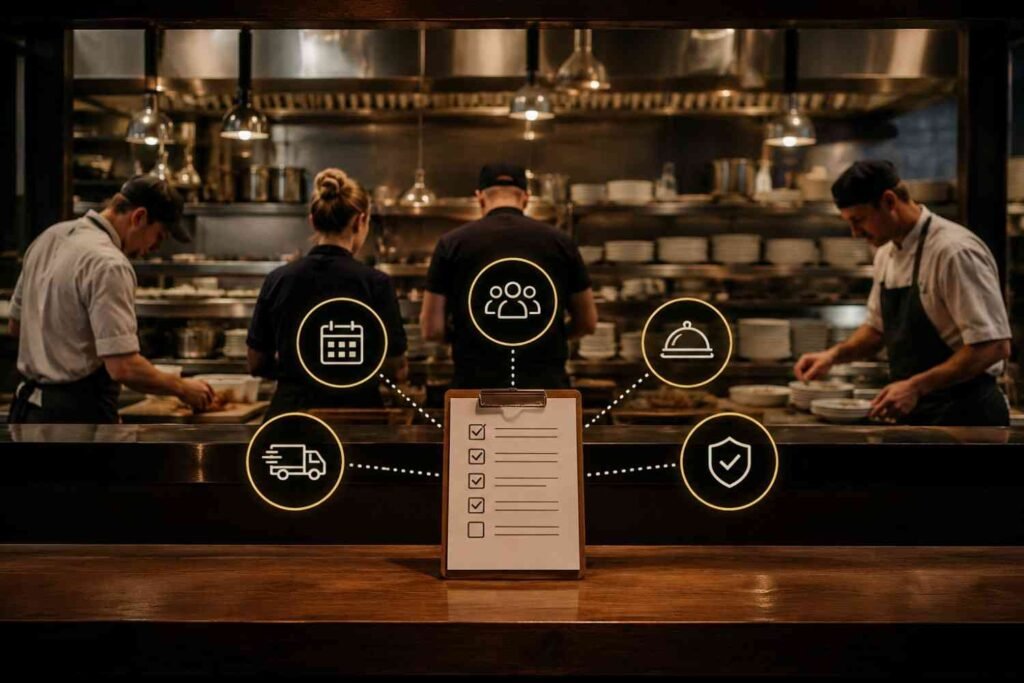
When you dine at an exceptional restaurant, the experience feels entirely effortless. The food arrives at the perfect temperature, the ambiance is welcoming, and the service flows with an unspoken rhythm. It is easy to attribute this magic to a talented chef or a lucky location, but culinary execution of this caliber is rarely an accident.
Behind the swinging doors of the kitchen lies a world of intense discipline, strict routines, and microscopic attention to detail. Great restaurants operate less like a standard business and more like a finely tuned orchestra.
The difference between a mediocre dining experience and an unforgettable one comes down to what happens when the guests aren’t looking. Here are five behind-the-scenes habits that great restaurants practice daily to stay at the top of their game.
1. Obsessive Mise en Place and Preparation
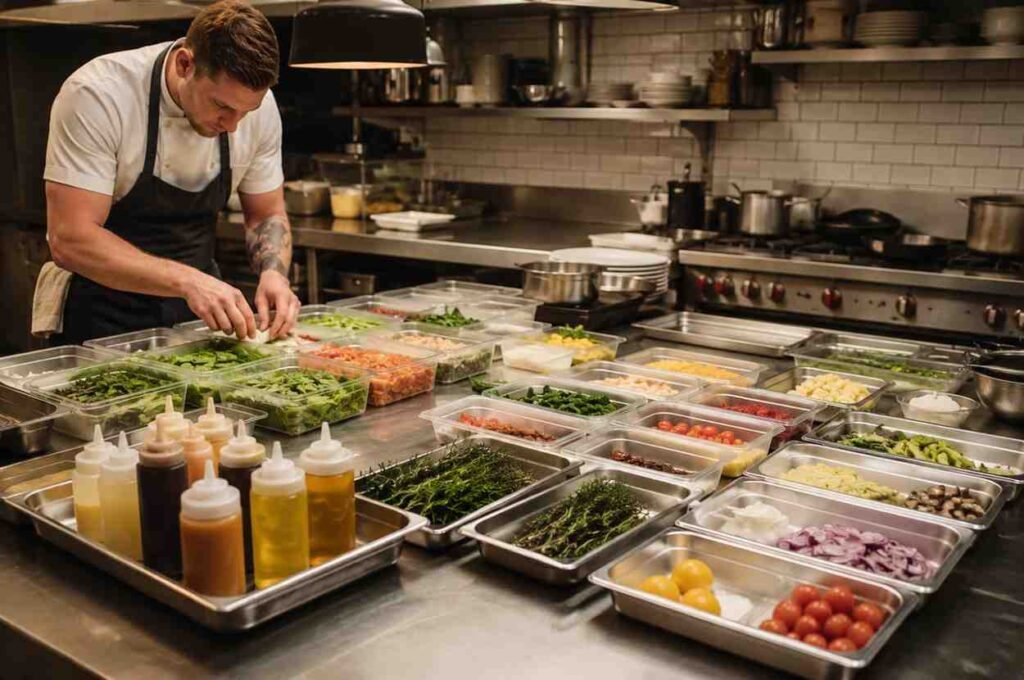
Walk into an elite kitchen hours before service begins, and you will find an environment of quiet, intense focus. This is the hour of mise en place, a French culinary phrase that translates to “everything in its place.”
Great chefs know that chaos during service happens when preparation fails. Cooks spend hours meticulously dicing vegetables, portioning proteins, and reducing sauces so that every single ingredient is within arm’s reach before the first ticket prints.
This habit extends beyond the kitchen line. The front-of-house team applies the same logic to prepping polished glassware, organizing silverware, and checking table alignments. When the dinner rush hits, success relies entirely on this foundation of rigorous preparation.
2. Rigorous Vendor Management and Quality Control
An exceptional menu is only as good as the raw ingredients entering the back door. Top-tier restaurants establish uncompromising relationships with their suppliers and inspect every delivery with a critical eye.
If a crate of heirloom tomatoes arrives bruised, or the catch of the day isn’t up to standard, it gets sent back immediately. Great restaurants do not cut corners with cheaper substitutes because they understand that consistency builds trust with their patrons.
This strict quality control applies to every facet of restaurant inventory management, ensuring that nothing substandard ever reaches a guest’s table. The same attention to detail often extends to the physical workspace itself, which is why many restaurant owners invest in a guide to custom kitchen cabinetry when designing kitchens that support efficiency, organization, and smooth service operations.
3. Uncompromising Standards for Cleanliness and Presentation
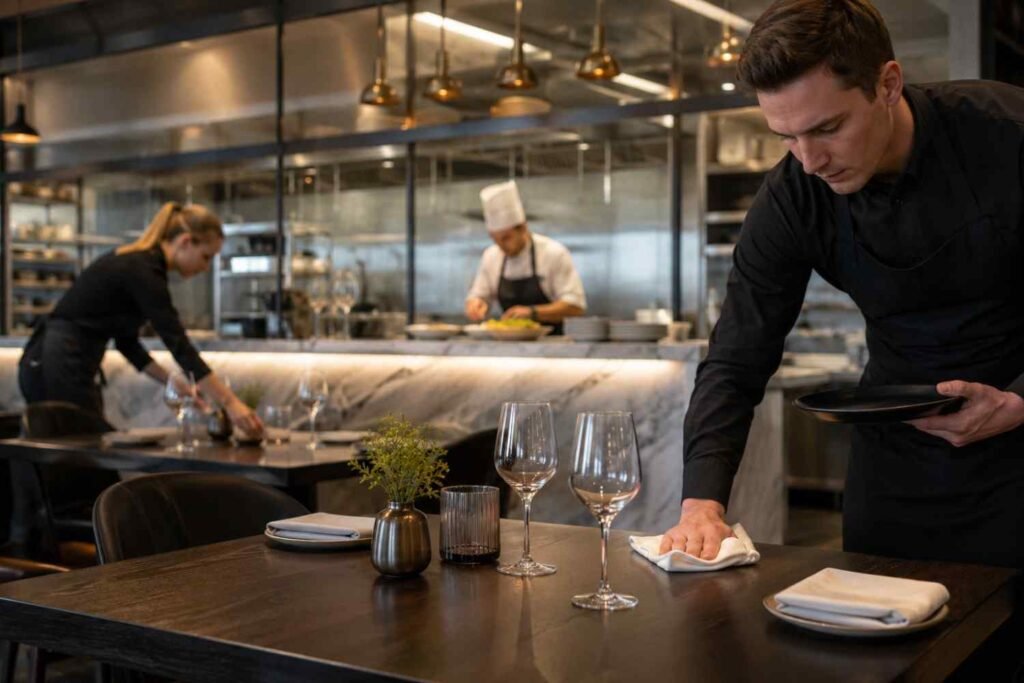
We often judge a restaurant by the presentation of its plates, but elite establishments focus heavily on the cleanliness of their entire environment. A pristine kitchen and a spotless dining room are non-negotiable foundations for culinary success.
This dedication to cleanliness is visible in the crispness of the staff uniforms and the immaculate state of the dining tables. To maintain an upscale, sanitary atmosphere, top establishments rely on professional partners to manage their heavy-duty laundry needs. Utilizing a dependable linen service in Lansing ensures that chef coats, aprons, and tablecloths are thoroughly sanitized, perfectly pressed, and delivered on time. By outsourcing this critical task, management can focus entirely on food safety and hospitality, knowing their presentation standards are always met.
4. Constructive Pre-Shift Briefings
Communication is the glue that holds a restaurant together during a hectic weekend shift. Before the front doors unlock, the entire staff gathers for a mandatory pre-shift meeting.
During these briefings, managers discuss nightly specials, identify VIP guests, and review potential allergen risks. Chefs will often present a sample plate of a new dish, allowing servers to taste it so they can describe the flavors authentically to diners.
These meetings also serve as a space to address any friction from the previous night, ensuring the team steps onto the floor aligned, motivated, and working toward a shared goal.
5. Constant Staff Training and Cross-Pollination
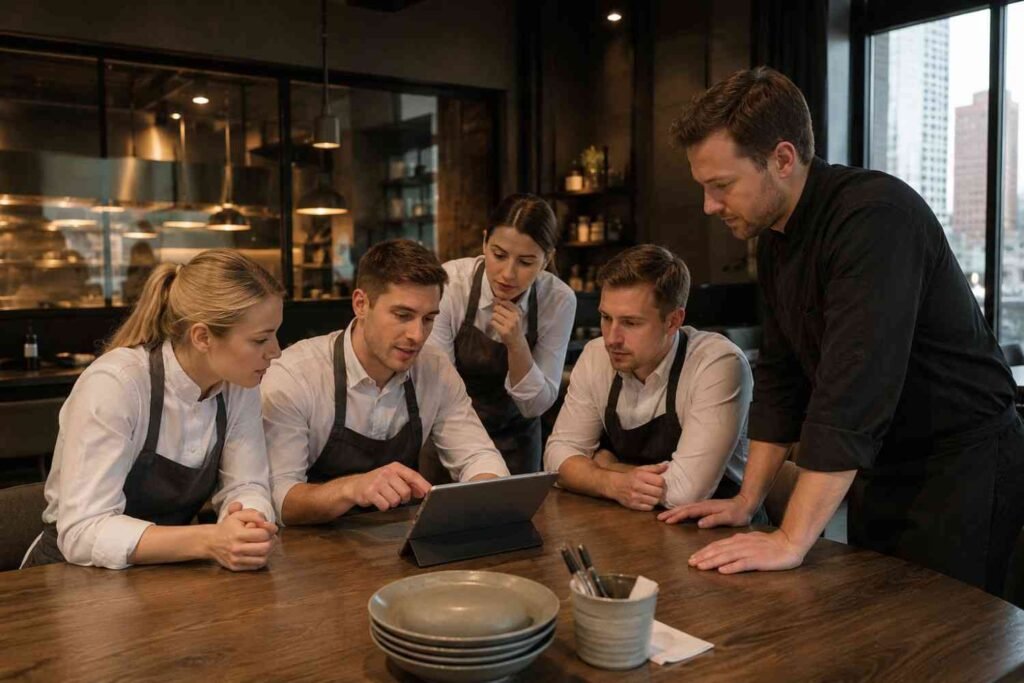
The hospitality industry is notorious for high turnover, but great restaurants combat this by investing heavily in continuous education. They treat front-of-house training as an ongoing journey rather than a one-time onboarding process.
Staff members are regularly tested on wine pairings, ingredient origins, and service protocols. Furthermore, great restaurants encourage cross-training, allowing a bartender to understand kitchen flow or a server to shadow the hosting team.
This cross-pollination builds deep empathy among the staff. When a teammate gets slammed during a rush, colleagues can step in seamlessly because they understand how every role connects.
Conclusion
The seamless hospitality we experience at our favorite dining spots is the direct result of hidden, unyielding routines. Great restaurants do not rely on luck; they rely on a culture of shared accountability, meticulous preparation, and respect for the details.
When a business masters the boring, repetitive behind-the-scenes habits, it earns the freedom to create true artistry at the table. True excellence is simply the accumulation of small, invisible tasks executed perfectly every single day.