




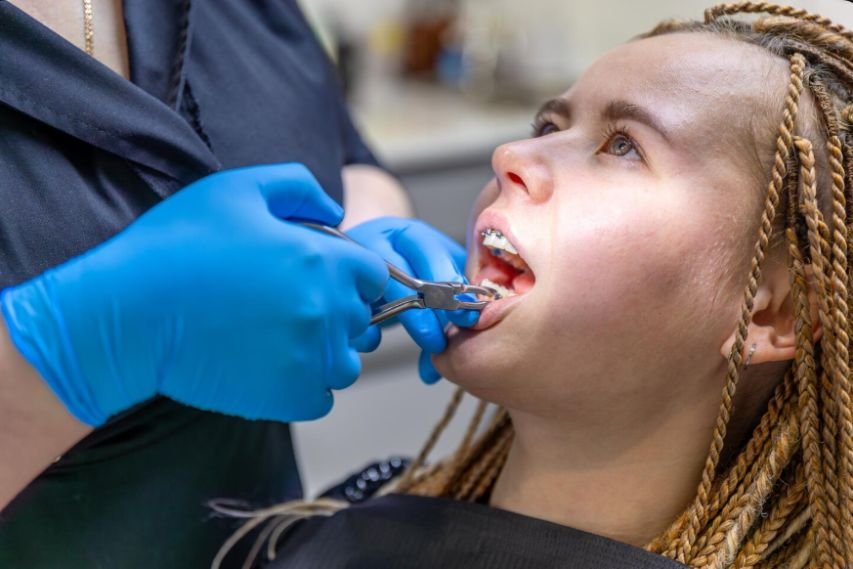
A bracket coming loose mid-treatment is one of the more frustrating calls a front desk takes, and it’s rarely random bad luck.
Almost every premature detachment traces back to one of a handful of predictable causes, most of them rooted in something that happened, or didn’t happen, in the minutes before the adhesive cured.
Moisture Contamination During Attachment
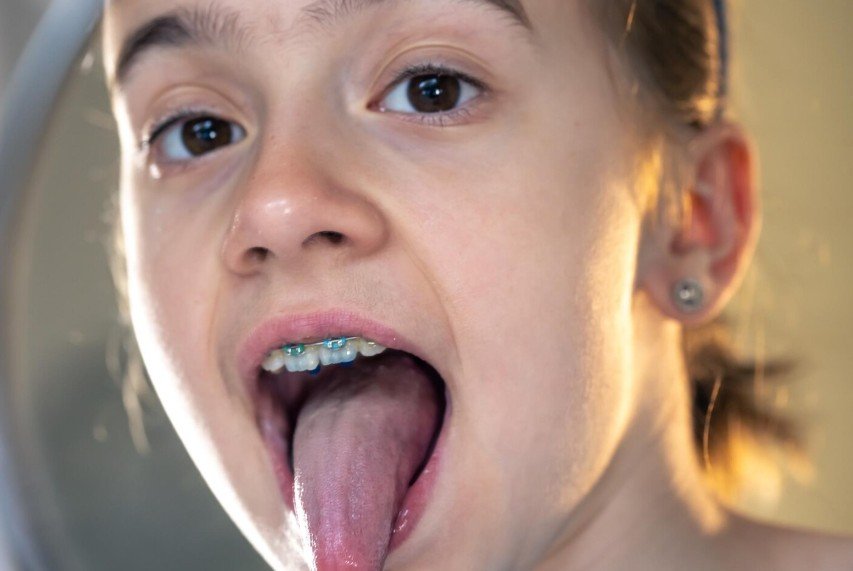
This is the single most common culprit, and it’s not particularly subtle once you know what to look for. Saliva or sulcular fluid contacting the enamel surface during etching or bonding interferes with the chemical bond the adhesive is trying to form.
Even a brief contamination event, a patient swallowing at the wrong moment, a retractor slipping for a second, can be enough to compromise the bond strength on that tooth.
Why Isolation Technique Matters So Much
Reliable isolation isn’t optional, even though it can feel like the most tedious part of the appointment. Cotton rolls, dry angles, and proper retraction all exist to solve this exact problem, and skipping or rushing isolation is one of the fastest ways to end up with a bracket failure callback a week or two later.
Posterior teeth are particularly vulnerable here, since saliva flow and tongue interference both increase the further back in the mouth the clinician works.
Rubber dam isolation, while less common in routine bracket placement than in restorative work, is worth considering for cases where moisture control has been a recurring problem.
Inadequate Enamel Preparation
The second major cause sits earlier in the process, before adhesive ever enters the picture. Enamel etching creates the microscopic surface roughness that adhesive actually mechanically locks into, and if that etch pattern isn’t properly developed, the bond never had a real foundation to begin with.
Under-Etching and Over-Etching Both Cause Problems
Under-etching leaves the surface too smooth for reliable mechanical retention. Over-etching, somewhat counterintuitively, can also weaken the bond by over-demineralizing the enamel surface beyond the ideal pattern.
Both errors are usually a timing issue, etching for too short or too long relative to the manufacturer’s specified window, and both are easy to avoid with a consistent, timed protocol rather than an eyeballed one.
Adhesive Selection and Handling Errors
Not every failure traces back to technique on the tooth itself. Sometimes the adhesive system is the weak link.
Expired or Improperly Stored Materials
Bonding agents and adhesives have shelf lives and storage requirements for a reason. Material that’s expired, or that’s been stored outside its recommended temperature range, can cure inconsistently or fail to achieve full bond strength even when every other step was done correctly.
A quick inventory check on expiration dates is a small habit that prevents a frustrating, hard-to-diagnose failure pattern. It’s an easy thing to overlook in a busy practice, but the cost of catching it early is a few minutes, while the cost of missing it is a string of unexplained failures across multiple patients.
Incomplete or Inconsistent Curing
Light-cure adhesives require adequate exposure time and proper curing light positioning to fully polymerize.
A curing light held at the wrong angle, too far from the bracket, or for too short a duration leaves the adhesive only partially cured, which might look fine in the chair but fails under normal occlusal forces within days or weeks.
Checking curing light output periodically, since bulbs and batteries degrade gradually, catches a failure mode that’s easy to miss until it’s already causing callbacks.
Bracket Placement and Occlusal Interference
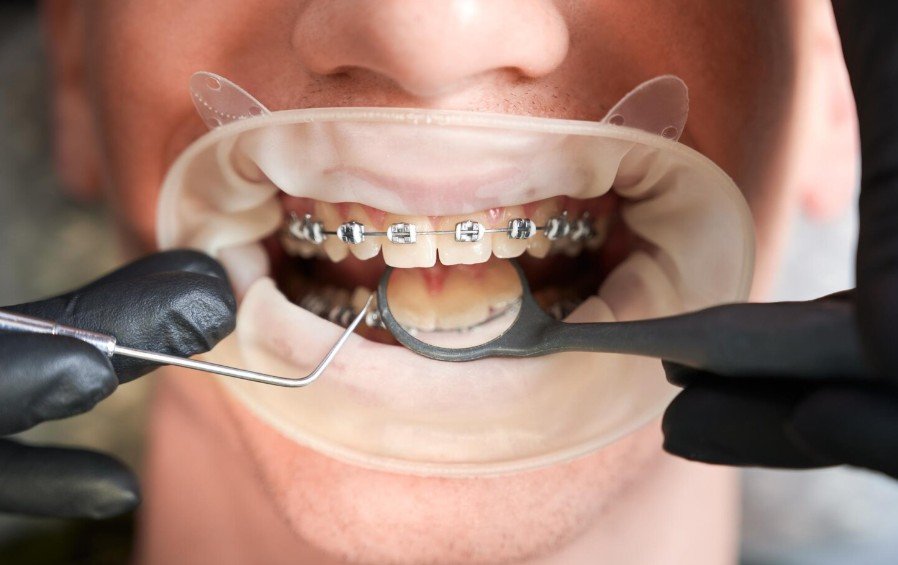
Even a perfectly bonded bracket can fail if it’s sitting in the wrong spot relative to the bite.
When Bite Forces Work Against the Bond
A bracket placed where it takes direct occlusal contact during normal biting and chewing experiences far more mechanical stress than one positioned correctly out of the bite’s direct path. Over time, that repeated stress can shear the bond even when the adhesive itself was applied correctly.
This is exactly where bonding teeth braces with a verified, computer-guided plan has an advantage over freehand placement, since the digital plan accounts for occlusal clearance before the bracket ever touches the tooth, rather than relying on a clinician’s in-the-moment judgment about bite interference.
Patient Behavior and Aftercare Factors
Not every failure is a clinical error. Some causes sit outside the appointment entirely. Broader dental habits and treatment timing also affect oral comfort, so patients may benefit from understanding why wisdom teeth evolved and when dentistry recommends removal as part of long-term dental care awareness.
Diet and Habits in the First 24 Hours

Adhesive continues to gain full strength in the hours following placement, and biting into hard or sticky foods too soon can dislodge a bracket that hasn’t fully set.
Clear aftercare instructions, delivered verbally and reinforced in writing, reduce this category of failure meaningfully, even though it’s largely outside clinical control once the patient leaves the chair.
Building a Process That Reduces Failures Across the Board
Most bracket failures share a common thread: a small inconsistency in technique, timing, or material handling that compounds into a visible problem days or weeks later.
Patients exploring different long-term dental solutions may also find the reasons people choose dental implants helpful for understanding how treatment choices can support function, comfort, and oral confidence.
A standardized protocol, covering isolation, etch timing, adhesive handling, and curing, removes much of the variability that causes failures in the first place, and pairing that protocol with precise digital placement closes the gap even further.
Conclusion
Bracket failures rarely come from a single dramatic mistake; they’re almost always the result of a small, preventable lapse in moisture control, enamel prep, adhesive handling, or placement accuracy.
Tightening up each of those steps individually adds up to a meaningfully lower failure rate across an entire practice.