





Financial surprises happen to everyone, often at the most inconvenient times. A sudden medical emergency, a major car repair, or an urgent home maintenance issue can easily disrupt a well-planned budget. Without a solid strategy in place, these surprise expenses can quickly lead to mounting debt and significant financial stress.
Managing sudden costs requires proactive planning rather than reactive scrambling. When you prepare for the unknown, you create a buffer that absorbs the shock of sudden financial demands. This approach keeps your long-term goals intact and prevents a temporary setback from becoming a permanent burden.
Establishing a robust financial defense system takes time, but the peace of mind it offers is invaluable. By implementing a few practical strategies, you can safeguard your bank account against the unpredictable nature of life. Here are three effective ways to protect your finances from unexpected bills.
Build a Dedicated Emergency Fund
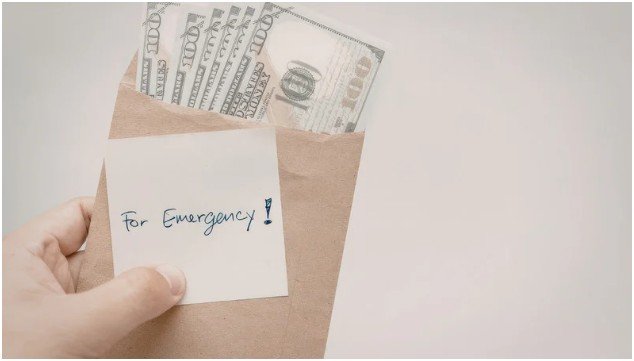
The most reliable defense against surprise expenses is a well-funded emergency savings account. This dedicated pool of money acts as a financial shock absorber. It allows you to pay for sudden repairs or medical bills without relying on high-interest credit cards or draining your retirement accounts.
Financial experts generally recommend saving enough to cover three to six months of essential living expenses. If you are a freelancer or have a variable income, aiming for a larger safety net might be necessary. Starting this fund can feel overwhelming, but you do not need to reach your goal overnight.
Begin by setting aside a small, manageable amount from each paycheck. Setting up automatic transfers from your checking account to a high-yield savings account ensures consistent growth without requiring constant effort.
Keep these funds easily accessible. A high-yield savings account is an excellent choice because it allows your money to earn a modest amount of interest while remaining entirely liquid. Avoid investing your emergency fund in volatile markets, as you need the exact principal amount to be available at a moment’s notice.
Review and Update Your Insurance Coverage

Insurance serves as a critical layer of protection against catastrophic financial losses. Many people purchase insurance policies and promptly forget about them, assuming they are fully covered for any eventuality. Failing to regularly review your coverage can leave dangerous gaps in your financial defense.
Take the time to thoroughly review your health, auto, and homeowners or renters insurance policies annually. Verify that your deductibles are set at an amount you can comfortably afford to pay out of pocket if disaster strikes. If your emergency fund is substantial, you might choose to increase your deductibles to lower your monthly premiums. Conversely, if cash is tight, a lower deductible might be a safer choice.
Pay close attention to what your policies actually cover. Standard homeowners insurance often excludes flood or earthquake damage, requiring separate policies for those specific threats. Health insurance plans frequently change their coverage networks and out-of-pocket maximums. Staying informed about these details prevents you from being caught off guard by a denied claim or an unexpectedly large co-pay.
Secure Flexible Credit or Loan Options

Even with a healthy emergency fund and comprehensive insurance, certain unexpected expenses can exceed your immediate cash reserves. This is particularly true for independent business owners, property managers, and agricultural operators who handle large-scale equipment. Establishing access to favorable credit before you actually need it provides a vital lifeline during severe financial crunches.
Personal lines of credit or low-interest credit cards can bridge the gap when cash is temporarily unavailable. These tools should be used responsibly and paid off quickly to avoid accruing excessive interest. For larger, industry-specific emergencies, specialized financing is often the best route to pay off several bills.
For example, an agricultural operator facing sudden machinery failure or severe weather damage might need to quickly secure a farm loan in Nebraska to keep their operation running smoothly. Knowing exactly where to source these funds ahead of time drastically reduces panic when equipment breaks down.
The key to using credit as a safety net is securing it while your financial health is strong. Lenders are much more likely to approve lines of credit when you have a steady income and a strong credit score. Waiting until an emergency has already depleted your resources makes borrowing money significantly harder and more expensive.
Securing Your Economic Future
Protecting your finances from surprise bills is an ongoing process of assessment and adjustment. By building a liquid emergency fund, maintaining appropriate insurance, and establishing access to responsible credit, you create a resilient financial foundation.
These strategies work together to ensure that an unexpected bill remains a minor inconvenience rather than a major financial crisis. Regularly reviewing these three pillars will help you maintain stability and keep your long-term financial goals safely on track.