



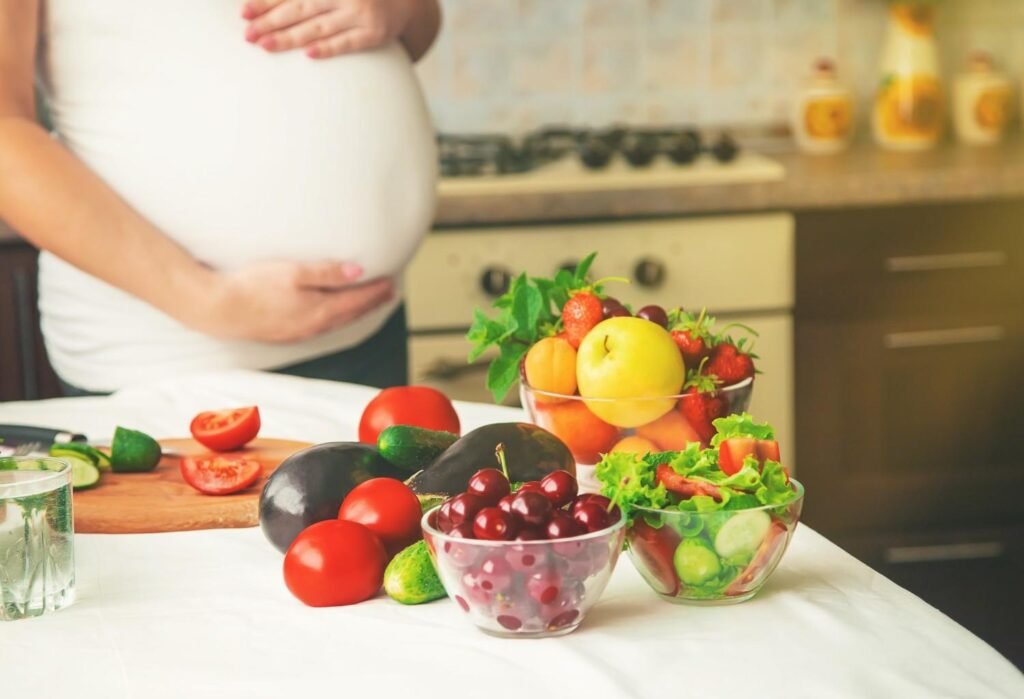
The first trimester of pregnancy (weeks 1–12) is like the foundation of a house—setting the stage for everything to come. While the old myth of “eating for two” sounds tempting, it’s not about doubling your portions—it’s about feeding your body with the right nutrients.
Your baby is busy building its organs and developing its neural tube at lightning speed, so it’s essential to fuel up with the best possible nutrients. Despite your body’s increased demands, your calorie needs remain around 2,000 kcal/day, so it’s all about making each bite count for optimal health and growth.
In this blog, we’ll cover the essential pregnancy nutrition tips for the first trimester, including the key nutrients to focus on, managing common pregnancy symptoms, and the foods you should avoid.
Essential Nutrients for Early Pregnancy
During the first trimester, your body requires specific vitamins and minerals to support the rapid development of your baby. Ensuring you get these nutrients will not only help you feel your best but also set the foundation for your baby’s health. Here are some key pregnancy nutrition tips for the first trimester to ensure both you and your baby thrive during these early stages.
1. Folic Acid (600 mcg/day)
Folic acid is perhaps the most critical nutrient for preventing neural tube defects in the early stages of pregnancy. You can meet your folate needs by taking a prenatal supplement and eating folate-rich foods like leafy greens, citrus fruits, and fortified cereals. It’s important to start taking folic acid before pregnancy if possible, as it plays a vital role in the early stages of fetal development.
2. Iron (27 mg/day)
During pregnancy, your blood volume increases, and iron is essential for preventing anemia and fatigue. Consuming iron-rich foods like lean red meat, beans, and spinach is key. Additionally, pairing iron with vitamin C sources like oranges and bell peppers helps triple the absorption of iron from plant-based sources.
3. Protein (60–75g/day)
Protein is the building block for your baby’s cells, and it’s crucial during the first trimester to support tissue growth and cell development. Aim for a balanced intake of protein, focusing on foods like eggs, Greek yogurt, chicken, and lentils. Protein helps stabilize your blood sugar and keeps you feeling fuller for longer, reducing hunger pangs that are common during pregnancy.
4. Calcium (1,000 mg/day)
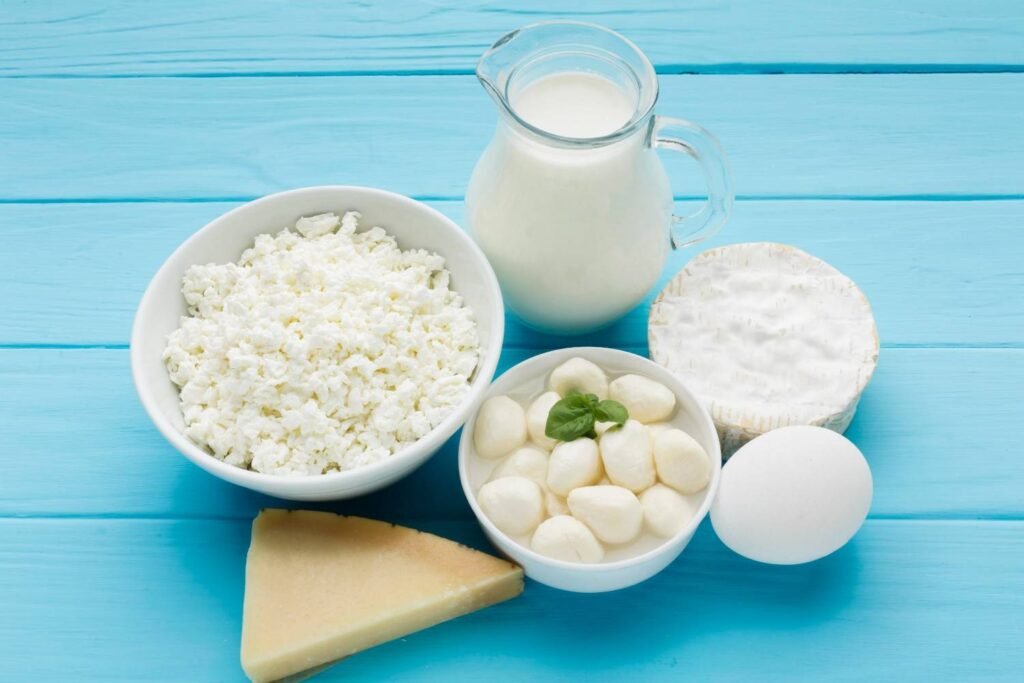
Calcium is necessary for the development of your baby’s bones and teeth. If you don’t consume enough calcium, your body will pull it from your own bones, which can affect your bone health in the long run. Make sure to include pasteurized milk, cheese, or fortified plant milks to meet your calcium needs during pregnancy.
5. DHA/Omega-3 Fatty Acids
DHA (Docosahexaenoic acid), a type of omega-3 fatty acid, is crucial for brain and eye development. Include low-mercury fish like salmon and sardines, or plant-based sources like walnuts, to ensure you’re getting enough of these important fatty acids. If fish isn’t part of your diet, consider a DHA supplement or plant-based alternatives.
Managing Common Symptoms in the First Trimester
Pregnancy can come with its challenges, especially during the first trimester when your body is adjusting to hormonal changes. Here are some practical tips to manage common symptoms:
1. Morning Sickness
Morning sickness can make it tough to eat, but it’s important to keep food in your stomach to avoid nausea. I recommend eating small, frequent meals throughout the day, spaced 2–3 hours apart. This helps keep your blood sugar stable and prevents an empty stomach, which can often trigger nausea. Try crackers by your bedside to eat before getting out of bed, and sip on ginger tea or ginger candies to help settle your stomach.
2. Fatigue
Fatigue is another common symptom in the first trimester. To fight pregnancy fatigue, focus on iron-rich foods and complex carbohydrates like oats and brown rice. These foods help maintain steady energy levels throughout the day. Additionally, staying hydrated is crucial, as dehydration can contribute to fatigue.
3. Hydration
Drink plenty of water—aim for 8–10 glasses daily. Staying hydrated helps support amniotic fluid production, aids digestion, and promotes blood circulation. If you’re struggling with hydration due to morning sickness, try sipping on electrolyte-rich drinks like coconut water.
Foods to Strictly Avoid During Pregnancy
While there are many healthy foods to focus on, there are also some foods and drinks you need to avoid during pregnancy to protect your health and your baby’s development. Here’s a list of foods to steer clear of in the first trimester:
1. High-Mercury Fish
Fish like shark, swordfish, and king mackerel contain high levels of mercury, which can negatively impact your baby’s brain development. Stick to low-mercury fish like salmon and sardines.
2. Raw/Undercooked Proteins
Avoid raw or undercooked fish, eggs, and meats, as these may carry a risk of Listeria or Salmonella. Always make sure your food is cooked thoroughly to avoid any potential health risks.
3. Unpasteurized Dairy
Raw dairy products, including soft cheeses like brie or feta, may contain harmful bacteria. Only consume pasteurized dairy to reduce your risk of foodborne illnesses.
4. Caffeine
While it’s okay to consume a small amount of caffeine, limit your intake to less than 200 mg/day (roughly the amount in one cup of coffee). High levels of caffeine during pregnancy may increase the risk of miscarriage or low birth weight.
5. Alcohol

There is no safe amount of alcohol during pregnancy. Alcohol consumption during pregnancy can harm your baby’s development, and it’s best to avoid it altogether.
Example Meal Plan for the First Trimester
Here’s a sample meal plan to get you started on your journey to a healthier pregnancy:
Breakfast:
- Oatmeal with bananas and walnuts (Iron, Fiber, Potassium)
Lunch:
- Grilled paneer or chicken salad with spinach and a whole-wheat roti (Protein, Folate)
Snack:
- Greek yogurt with berries or a handful of nuts (Calcium, Antioxidants)
This meal plan provides essential nutrients such as protein, folate, calcium, and omega-3s, ensuring that both you and your baby get the vitamins and minerals you need during the first trimester.
Frequently Asked Questions (FAQs)
1. How much folic acid should I take in the first trimester?
It’s recommended that you take 600 mcg of folic acid per day during the first trimester. This is typically included in your prenatal vitamins, but you can also get folate from foods like leafy greens and fortified cereals.
2. Can I eat seafood during the first trimester?
While low-mercury fish like salmon and sardines are beneficial, avoid high-mercury fish such as shark and swordfish during pregnancy to protect your baby’s brain development.
3. What can I do to ease morning sickness?
Eating small, frequent meals and keeping crackers by your bedside to nibble on before getting up can help reduce nausea. Also, ginger tea or ginger candies are great natural remedies to ease discomfort.
4. What foods should I avoid during pregnancy?
You should avoid high-mercury fish, raw or undercooked meats, unpasteurized dairy, caffeine (above 200 mg/day), and alcohol to ensure the safety and health of both you and your baby.
Conclusion
The first trimester is a whirlwind of growth for both you and your baby. To make sure you’re both on track, focusing on essential nutrients like folic acid, iron, protein, and calcium is key. By keeping a balanced diet, staying hydrated, and avoiding harmful foods, you’ll set the stage for a healthy pregnancy journey.
Struggling with morning sickness or fatigue? No worries—small, frequent meals and nutrient-dense foods can help keep your energy up and ease discomfort, as covered in these pregnancy nutrition tips for the first trimester.
Every pregnancy is unique, so be sure to listen to your body and chat with your healthcare provider to tailor your nutrition plan for the best results!