



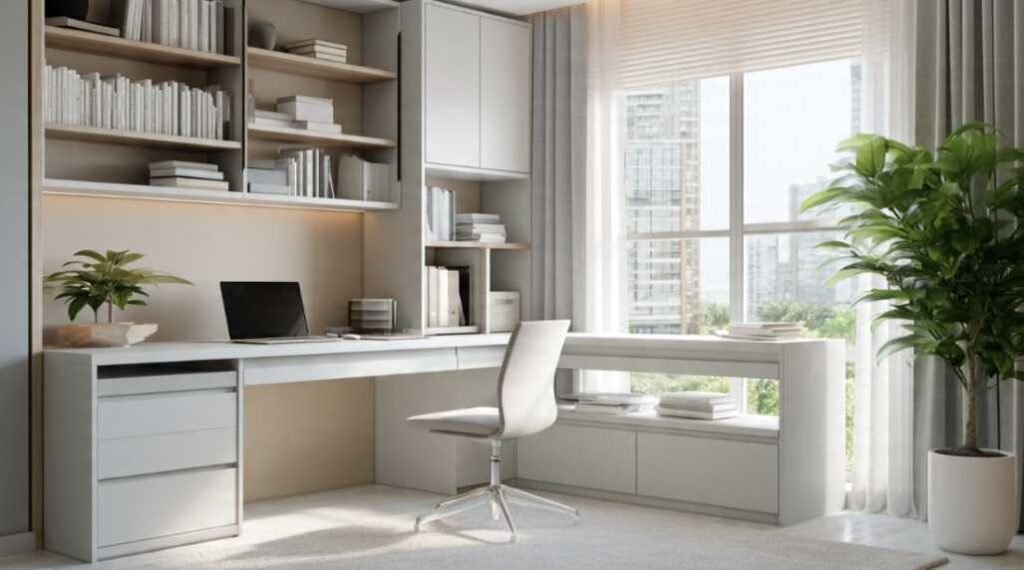
A minimalist professional workspace maximizes focus and reduces stress by eliminating physical and digital clutter. Key elements of this design approach include streamlined furniture, neutral color palettes, hidden storage solutions, and highly functional items that prioritize efficiency and mental clarity over excessive decoration.
What Are the Core Principles of a Minimalist Workspace?
Creating a highly functional minimalist office requires adopting a few foundational design principles. These concepts guide every decision, from the furniture you purchase to the files you save on your desktop.
How Can You Effectively Declutter Your Office?
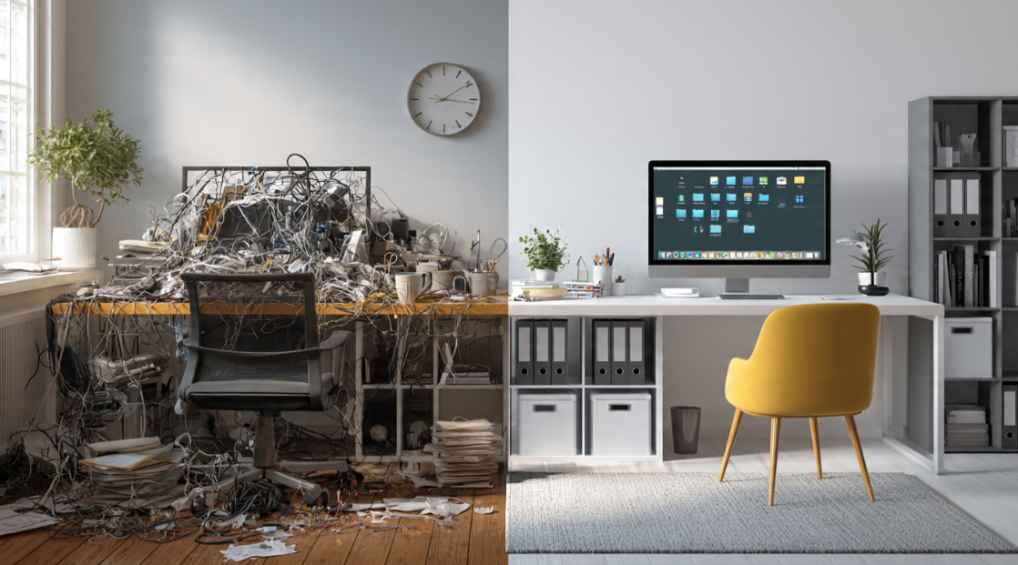
The most critical step in creating a minimalist workspace is eliminating excess items. Start by removing office supplies, old documents, and decorations that you do not use on a weekly basis. Keep only the essentials within arm’s reach.
Physical clutter is only half the battle. Digital decluttering is equally important for maintaining focus. Organize your computer desktop by deleting unused shortcuts and creating a logical folder hierarchy. Clear your email inbox regularly and unsubscribe from newsletters that no longer serve your professional growth. A clean digital interface prevents mental fatigue during long work sessions.
Why Should Every Item in Your Office Serve a Purpose?
Intentional design means that everything in your workspace must justify its presence. Before placing an item on your desk, ask yourself if it directly contributes to your daily work or immediate comfort.
Which Color Palettes Promote Focus and Serenity?
Color psychology plays a major role in workplace design. Bright, highly saturated colors can cause visual fatigue and distraction. To promote serenity and focus, build your workspace around a neutral color palette. Shades of white, gray, beige, and soft earth tones create a calming backdrop that reduces eye strain.
You can introduce visual interest without creating clutter by incorporating subtle textures and natural elements. A light wood desk surface or a matte metal lamp adds warmth and depth to the room while maintaining a clean, professional aesthetic.
What Are the Best Practical Tips for a Minimalist Office?
Translating minimalist principles into reality requires specific strategies for furniture selection, organization, and decoration.
How Do You Choose Streamlined and Ergonomic Furniture?
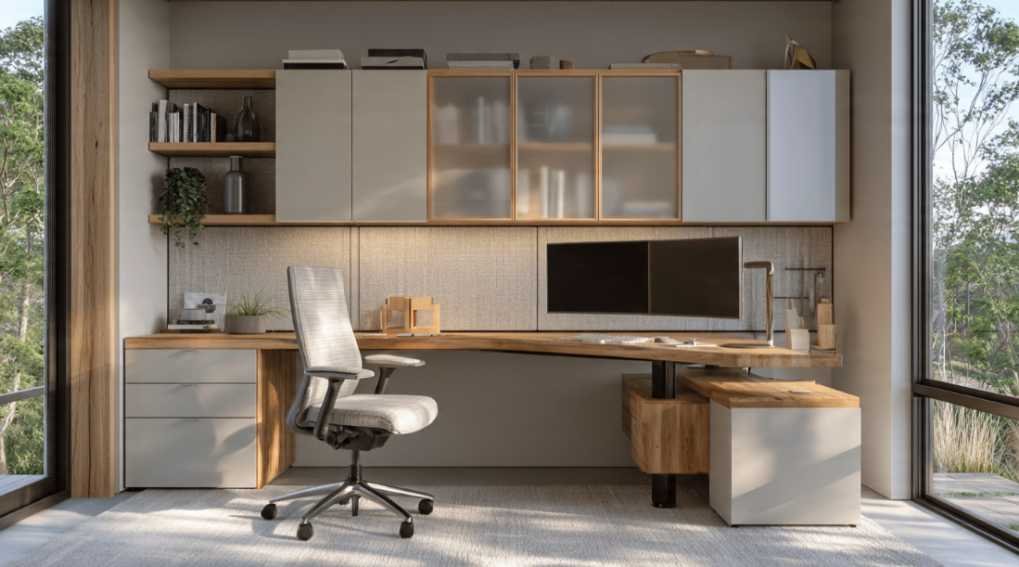
Furniture serves as the foundation of your workspace. Your desk should feature clean lines and provide ample surface area for your computer and essential documents. Avoid desks with excessive built-in cubbies, which often encourage hoarding small items.
Your seating must be comfortable, highly supportive, and visually unobtrusive. Choose an ergonomic chair with a slim profile that tucks neatly under your desk when not in use.
For storage, rely on hidden and integrated solutions. A mobile filing cabinet stored under the desk or sleek wall-mounted cabinets keep necessary files completely out of sight. If you are building this environment on a strict budget, purchasing used office furniture in Salt Lake City from premium commercial brands is a great way to acquire high-quality, ergonomic pieces without overspending.
What Are the Best Organization Hacks for a Tidy Desk?
Cables and wires are the enemies of a minimalist aesthetic. Implement strict cable management solutions using under-desk trays, zip ties, and sleek cable sleeves to bundle cords together and route them out of sight.
Maximize your available room by utilizing vertical storage. A single floating shelf above your monitor can hold reference books or a dedicated inbox tray, keeping the primary desk surface clear.
Adopt the “one-touch” rule for incoming items to prevent paper pileups. When a document, piece of mail, or digital request arrives, handle it immediately. File it, delegate it, or discard it so it never sits idly on your workspace.
How Should You Add Personal Touches to a Minimalist Desk?
Minimalism still allows for personality. The goal is to apply personal touches thoughtfully rather than scattering them randomly. Limit yourself to one or two meaningful decorative items, such as a framed family photo or a unique piece of artwork.
Incorporating plants is one of the best ways to add a touch of nature and color to a minimal office. A single low-maintenance potted plant, like a snake plant or pothos, improves air quality and brings life to the room without causing visual clutter.
How Does a Minimalist Workspace Improve Productivity?
The ultimate goal of a minimalist office is to improve how you work. Stripping away distractions directly enhances your focus. When your eyes are not constantly scanning past unread mail, extra coffee mugs, and loose papers, your brain can dedicate its full processing power to the task at hand.
Conclusion
Maintaining a minimalist workspace is an ongoing practice, not a one-time project. It requires consistent effort to prevent clutter from creeping back in. By prioritizing functional furniture, sticking to neutral colors, and hiding storage, you can create an environment that supports your best work and leads to a more peaceful, productive, and focused professional life.