




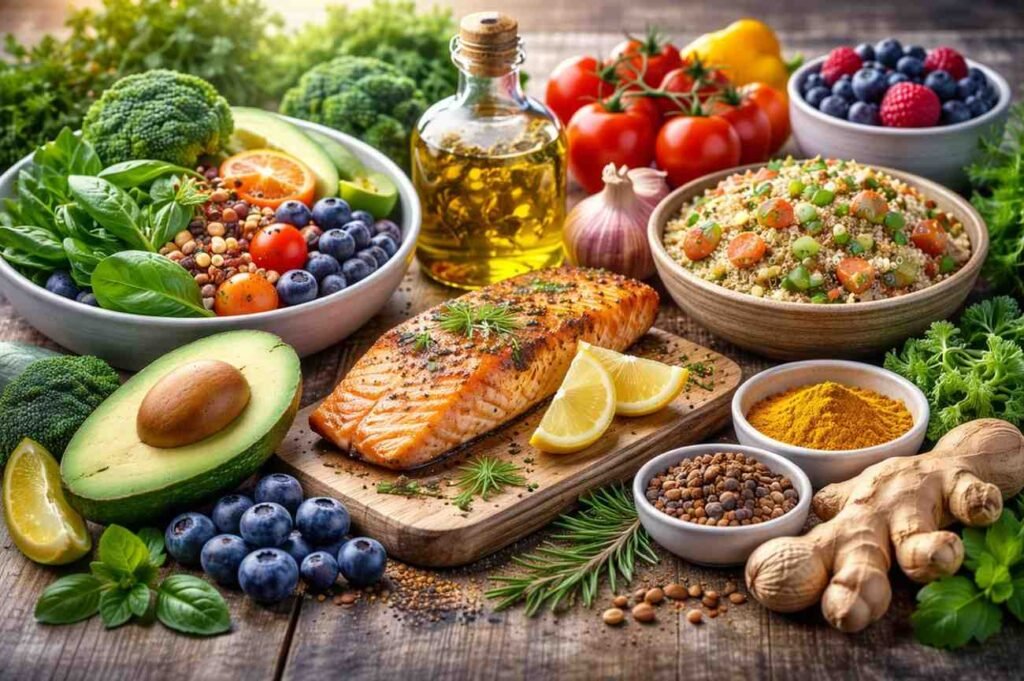
It can be difficult to manage autoimmune disorders, particularly when inflammation is the primary cause of many symptoms. The good news is that people with autoimmune diseases can greatly lower inflammation and improve general health by following an anti-inflammatory diet.
A healthy diet can support your treatment plan and lessen some of the suffering associated with autoimmune disorders, even while medication is still crucial.
In this blog, I’ll walk you through how an anti-inflammatory diet for autoimmune disease patients works, what foods to include, and which to avoid to reduce inflammation. Let’s explore the power of food in managing autoimmune inflammation and how it can improve your well-being.
What Is an Anti-Inflammatory Diet?
An anti-inflammatory diet focuses on foods that help reduce the body’s inflammatory response. When you have an autoimmune disease, your immune system mistakenly attacks healthy cells, leading to chronic inflammation.
By choosing foods that fight inflammation and avoiding those that trigger it, you can help regulate your immune system and alleviate many of the symptoms associated with autoimmune diseases.
The goal of an anti-inflammatory diet for autoimmune disease patients is to support your body with the nutrients it needs while minimizing triggers that cause inflammation. This approach can help manage symptoms and reduce flare-ups, making it an essential part of your overall treatment strategy.
What Foods Should You Include in an Anti-Inflammatory Diet?
An anti-inflammatory diet is based on whole, nutrient-dense foods that support the body’s ability to fight inflammation. Here’s a breakdown of the foods you should include:
1. Fatty Fish: The Omega-3s You Need
Fatty fish like salmon, mackerel, and sardines are rich in omega-3 fatty acids, which have powerful anti-inflammatory effects. Omega-3s help reduce joint pain and stiffness, and they also play a crucial role in reducing inflammation in the body.
What To Do Next:
Try to eat fatty fish at least 2-3 times per week. If you’re not a fan of fish, you can also incorporate omega-3 supplements or plant-based sources like chia seeds, flaxseeds, and walnuts.
2. Leafy Greens and Colorful Vegetables: Antioxidant-Rich Foods
Leafy greens such as spinach, kale, and Swiss chard, along with colorful vegetables like carrots, tomatoes, and peppers, are packed with antioxidants. These antioxidants help neutralize free radicals that can damage cells and trigger inflammation.
What To Do Next:
Fill half your plate with vegetables at every meal. Aim to incorporate a variety of colors, which will ensure you’re getting a wide range of nutrients.
3. Healthy Fats: Avocados and Olive Oil
Avocados and extra virgin olive oil are excellent sources of monounsaturated fats that support heart health and reduce inflammation. These fats also help with joint lubrication and may aid in the management of autoimmune conditions like rheumatoid arthritis.
What To Do Next:
Use olive oil in your cooking and drizzle it over salads. Add avocado to smoothies, sandwiches, or salads for a creamy, anti-inflammatory boost.
4. Turmeric and Ginger: Spices with Anti-Inflammatory Properties
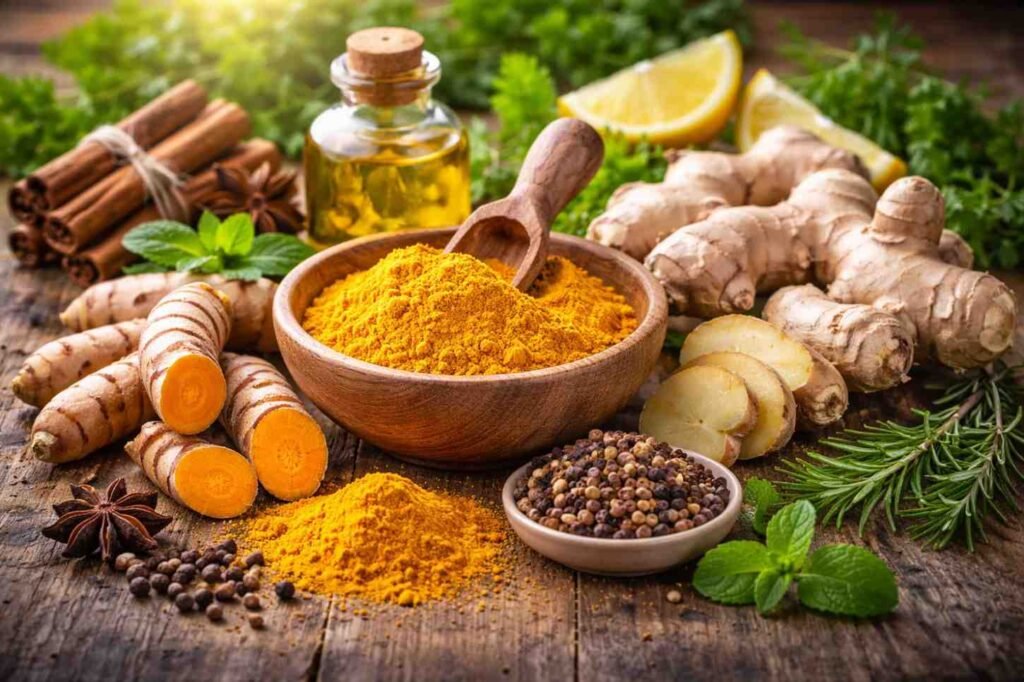
Turmeric contains curcumin, a compound known for its strong anti-inflammatory effects. Similarly, ginger has compounds like gingerol that block inflammatory substances and provide relief from pain.
What To Do Next:
Incorporate turmeric into curries, soups, or smoothies. Make ginger tea by boiling fresh ginger root in hot water for a soothing anti-inflammatory drink.
5. Berries and Citrus Fruits: Natural Anti-Inflammatories
Berries (blueberries, strawberries, raspberries) and citrus fruits (oranges, grapefruits, lemons) are high in vitamin C, flavonoids, and other antioxidants that help reduce inflammation and support the immune system.
What To Do Next:
Snack on fresh berries, or add them to oatmeal, yogurt, or smoothies. Enjoy citrus fruits as part of your daily fruit intake.
What Foods Should You Avoid in an Anti-Inflammatory Diet?
While incorporating anti-inflammatory foods is key, it’s equally important to avoid foods that trigger inflammation. Here are some foods to limit or eliminate from your diet:
1. Processed and Fried Foods
Foods that are high in trans fats and refined oils (like packaged snacks, fried foods, and fast food) can increase inflammation in the body. These foods promote the production of inflammatory molecules that worsen autoimmune symptoms.
What To Do Next:
opt for whole foods and cook with healthy oils like olive oil or coconut oil. Limit your intake of packaged and fast foods.
2. Added Sugars and Refined Carbs
Refined carbohydrates (like white bread, pastries, and pasta) and added sugars (found in sodas, baked goods, and candies) can spike blood sugar levels, which increases inflammation and triggers immune responses.
What To Do Next:
Replace refined carbs with whole grains like brown rice, quinoa, and oats. Swap sugary snacks for fruits or unsweetened yogurt.
3. Red Meat and Processed Meats
Red meat and processed meats like bacon, sausages, and hot dogs are high in saturated fats and additives that can worsen inflammation. They also promote the production of C-reactive protein (CRP), a marker of inflammation in the body.
What To Do Next:
Limit red meat and processed meats, and try plant-based protein sources like beans, lentils, tofu, and tempeh.
4. Dairy and Gluten (If You’re Sensitive)
Some people with autoimmune diseases are sensitive to dairy and gluten, which can increase inflammation. If you notice flare-ups after consuming dairy or gluten, consider eliminating them temporarily to see if your symptoms improve.
What To Do Next:
Try dairy alternatives like almond milk or coconut yogurt, and experiment with gluten-free grains like quinoa or brown rice.
Supplements to Enhance Your Anti-Inflammatory Diet
In addition to food, supplements can support your anti-inflammatory efforts:
1. Omega-3 Supplements
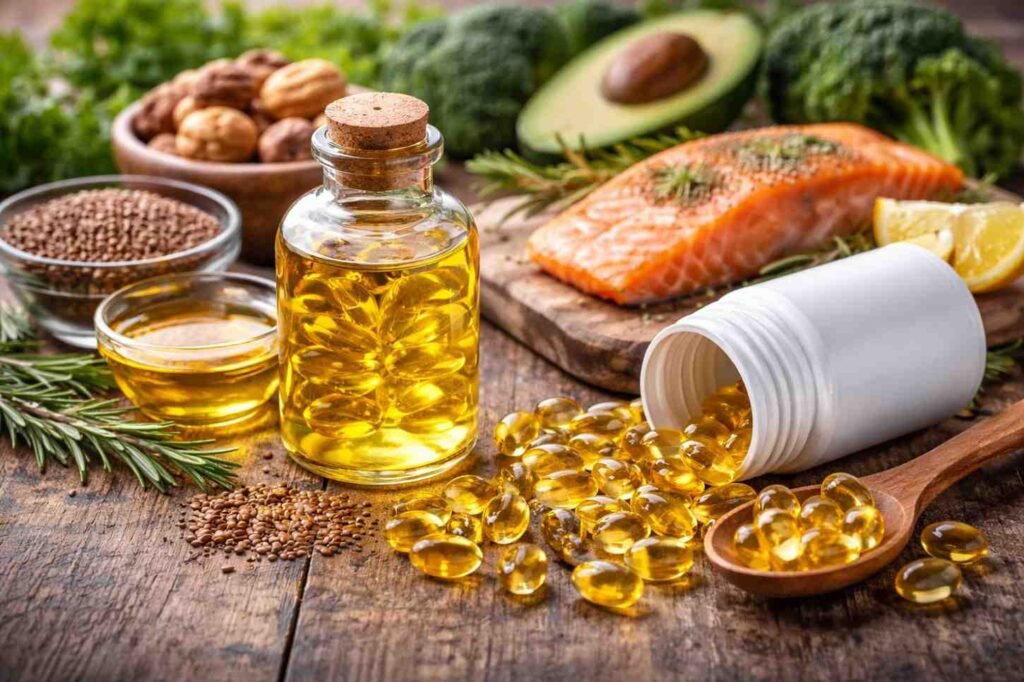
If you don’t consume enough omega-3-rich foods, fish oil or algal oil supplements can help reduce inflammation and support heart and joint health.
2. Curcumin Supplements
Curcumin supplements offer a more concentrated dose of this powerful anti-inflammatory compound found in turmeric. It’s best absorbed when combined with black pepper extract.
3. Vitamin D
Many people with autoimmune conditions have low levels of vitamin D, which is linked to increased inflammation. Consider supplementing with vitamin D, especially in the winter months.
Frequently Asked Questions (FAQs)
1. What foods should I avoid on an anti-inflammatory diet for autoimmune disease?
Avoid processed foods, added sugars, refined carbs, red meats, and processed meats, as they can worsen inflammation.
2. Is the Mediterranean diet good for autoimmune diseases?
Yes, the Mediterranean diet is rich in anti-inflammatory foods like fruits, vegetables, and healthy fats that support immune function and reduce inflammation.
3. How quickly will I see results from an anti-inflammatory diet?
Results can vary, but many people notice improvements in energy levels and joint pain within a few weeks to a few months of following an anti-inflammatory diet.
4. Can I follow an anti-inflammatory diet while on medication?
Yes, an anti-inflammatory diet can complement your current treatment plan. Always consult your healthcare provider before making significant dietary changes.
Conclusion
Adopting an anti-inflammatory diet for autoimmune disease patients is one of the most effective ways to manage inflammation naturally. By focusing on whole, nutrient-dense foods and eliminating foods that trigger inflammation, you can support your immune system, reduce symptoms, and improve your quality of life.
Don’t forget to consult with your healthcare provider before making significant changes to your diet, especially if you have a chronic condition. Start small, stay consistent, and experience the benefits of a diet tailored to your health.