


As the human body ages, maintaining muscular strength, joint mobility, and balance becomes paramount to preserving independent living. Selecting the right physical conditioning routine is no longer just about burning calories; it requires a structured environment that prioritizes skeletal safety while delivering measurable physiological benefits.
For older adults in Utah, the local fitness landscape offers several distinct approaches to wellness, ranging from generalized group classes to specialized personal instruction. This review analyzes the top boutique fitness concepts in the region, focusing on how different instructional formats suit the unique biomechanical needs of individuals over fifty.
1. Discover Strength (The Premier Exercise Science Standard)
For older adults prioritizing maximum structural benefit with minimal risk of joint inflammation, Discover Strength Draper stands as the definitive choice. The foundational philosophy rejects complex, ballistic movements in favor of evidence-based, controlled resistance training protocols backed by extensive peer-reviewed research.
The primary differentiator at this studio is the educational caliber of the leadership on the exercise floor. Unlike traditional gyms, where instructors possess basic weekend certifications, every professional here holds a formal university degree in exercise science or kinesiology. This advanced academic background ensures that arthritic changes, previous joint replacements, and spinal issues are managed with clinical precision.
The workout structure involves personalized, 30-minute full-body sessions just twice per week. By utilizing high-end, specialized machinery that provides smooth resistance throughout the entire range of motion, clients stimulate bone density and muscle mass without subjecting their connective tissues to sudden impacts. This highly supervised, low-injury-risk environment is ideal for the 50+ demographic, proving that scientifically managed intensity eliminates the need for hours of stressful joint pounding.
2. Club Pilates (The Flexibility and Core Routine)

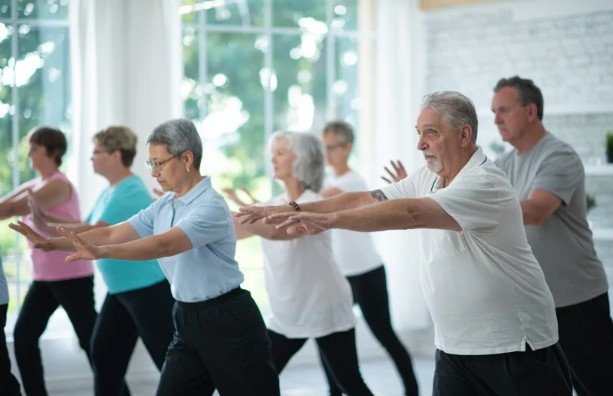
Club Pilates provides a framework centered around low-impact conditioning utilizing spring-resistance reformer machines. The core curriculum focuses primarily on spinal alignment, deep abdominal engagement, and muscular flexibility.
For seniors, this format is highly beneficial for improving postural control and relieving chronic lower back stiffness. The slow, rhythmic stretching and contraction movements enhance body awareness and balance, which are critical components for preventing accidental falls.
However, while the reformer setups offer excellent muscular endurance and mobility benefits, they do not provide the heavy mechanical loading required to maximize bone density improvements or reverse age-related muscle wasting as effectively as structured weight training.
3. Alloy (The Small Group Personal Coaching Model)
Alloy offers a hybrid approach by blending individual tracking with a small-group atmosphere. Sessions are typically limited to a handful of participants per coach, allowing for greater oversight than a standard commercial fitness class. This structure can also suit different schedules, fitness levels, and types of vacancies available within each training session.
The methodology focuses on functional fitness patterns, utilizing kettlebells, suspension straps, and medicine balls to build overall movement capacity. For older adults who enjoy a social environment but still require a coach to select appropriate weight loads and monitor lifting forms, this model serves as a practical middle ground.
The programming can be adapted to various fitness levels, though the simultaneous management of multiple participants means the trainer cannot provide the continuous, second-by-second physical adjustments found in a dedicated one-on-one setup.
The Critical Role of Resistance Training for Mature Adults
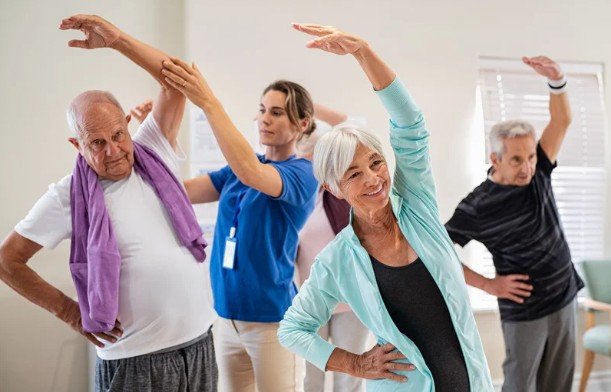
The natural aging process involves a gradual decline in skeletal muscle tissue, a condition medically known as sarcopenia, alongside a reduction in bone mineral density. Engaging in regular cardio activities like walking or cycling helps cardiovascular health, but these activities lack the necessary resistance to stimulate bone remodeling or preserve fast-twitch muscle fibers.
Implementing structured strength training for seniors in Draper is essential for maintaining metabolic health, stabilizing blood sugar levels, and preserving systemic physical independence over the decades. When muscles are safely loaded to the point of temporary fatigue, the nervous system adapts by improving motor unit recruitment, directly translating to enhanced stability during daily tasks like climbing stairs or carrying groceries.
Maximizing Safety in the Golden Years
The primary barrier preventing older adults from beginning a lifting routine is the fear of injury. To mitigate this concern, workouts should abandon complex, explosive movements like Olympic lifting or high-speed plyometrics.
Focus instead on slow, deliberate muscle contractions where acceleration is minimized. This method maintains constant tension on the targeted musculature while reducing peak force on the joints, creating a highly productive, sustainable fitness routine that supports healthy longevity.