



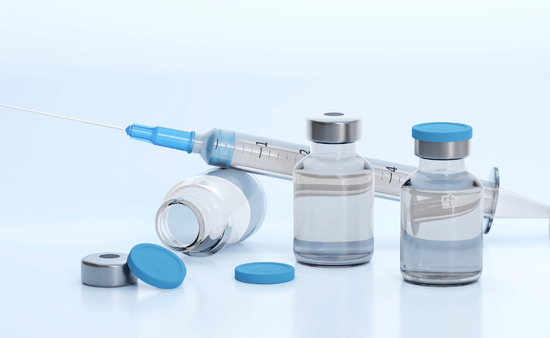
Vaccines are widely regarded as one of the most impactful breakthroughs in public health history. They work by training our adaptive immune system to recognize and eliminate dangerous pathogens before they can cause severe illness or long-term damage.
By introducing a harmless variant or component of a germ, vaccines prepare our body’s natural defenses to mount a swift and effective response upon future exposure.
Because pathogens vary significantly in how they infect cells and mutate, scientists have developed several distinct approaches to vaccine design. Understanding the primary types of vaccines, their benefits, and how they function underscores the complexity of modern preventative medicine.
1. Live-Attenuated Vaccines
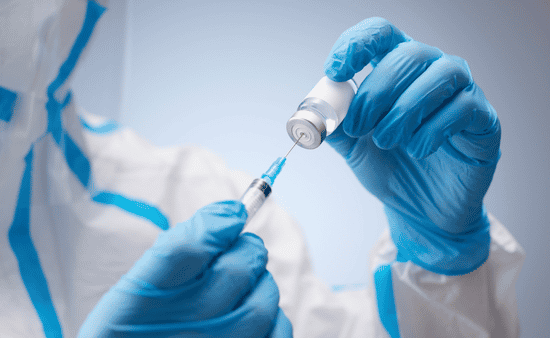
Live-attenuated vaccines utilize a weakened, or “attenuated,” version of the living virus or bacteria. Because these vaccines are so similar to the natural infection they prevent, they create a strong and long-lasting immune response.
- How They Work: Once administered, the weakened pathogen replicates minimally inside the body—just enough to prompt the immune system to produce robust antibodies and memory cells without causing the disease itself.
- Benefits and Uses: A single dose or two often provides lifelong protection. Common examples include the Measles, Mumps, and Rubella (MMR) combined vaccine, chickenpox, and yellow fever vaccines.
- Considerations: Because they contain a live pathogen, they must be kept refrigerated and may not be suitable for individuals with weakened immune systems.
2. Inactivated Vaccines
Inactivated vaccines use a version of the germ that has been killed through chemical processes, heat, or radiation.
- How They Work: The dead pathogen cannot replicate or cause illness, but its structural proteins remain intact. The immune system recognizes these external structures and develops a defense strategy against them.
- Benefits and Uses: These vaccines are highly stable and generally safer for individuals with compromised immune systems. Classic examples include the hepatitis A, polio, and rabies vaccines.
- Considerations: The immune response stimulated by inactivated vaccines is typically weaker than that of live vaccines. Consequently, patients often require booster shots over time to maintain immunity.
3. Subunit, Recombinant, Polysaccharide, and Conjugate Vaccines

Instead of using the entire germ, these specialized vaccines introduce only specific pieces of the pathogen—such as its protein, sugar, or capsid (the casing around the germ).
- How They Work: By targeting an isolated piece of the microbe, the immune system focuses its energy on a key target crucial for the germ’s survival or replication.
- Benefits and Uses: This targeted approach minimizes side effects and delivers a strong, focused immune response. They are used to prevent diseases like Hepatitis B, HPV (Human Papillomavirus), Whooping Cough, and Meningococcal disease.
- Considerations: Similar to inactivated vaccines, booster doses are frequently required to ensure sustained protection throughout adulthood.
4. mRNA Vaccines
mRNA (messenger RNA) vaccines represent a major technological milestone in vaccinology, coming to global prominence during the COVID-19 pandemic.
- How They Work: Instead of introducing a physical piece of the virus, mRNA vaccines deliver genetic instructions. Our cells read these instructions to temporarily manufacture a harmless “spike protein” unique to the virus. The immune system identifies this protein as foreign and builds antibodies to fight it off.
- Benefits and Uses: They can be developed rapidly in laboratory settings, making them highly effective for combatting emerging variants or novel pandemics.
- Considerations: mRNA molecules are exceptionally fragile and break down easily if not handled correctly. To preserve their chemical integrity during distribution, these formulations demand strict cold-chain logistics. While some formulas can tolerate standard medical refrigeration, others require ultra-low temperatures, occasionally utilizing a specialized liquid nitrogen freezer or massive dry ice reserves during transport and storage hubs.
5. Viral Vector Vaccines
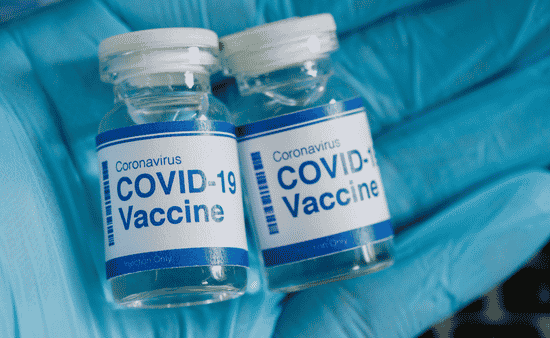
Viral vector vaccines use a safe, modified version of a completely different virus (the vector) to deliver important genetic material to our cells.
- How They Work: The vector virus enters a cell and uses its machinery to display a protein from the target pathogen. This triggers the desired immune defense without exposing the patient to the actual disease-causing agent.
- Benefits and Uses: They evoke a powerful dual response from both B cells and T cells. This technology has been successfully deployed to control Ebola outbreaks and create alternative delivery methods for respiratory viruses.
The Broad Impact of Immunization
A diverse vaccine portfolio allows public health organizations to tailor defense strategies across different demographics, ages, and medical backgrounds.
When a significant portion of a population achieves immunity through vaccination, it creates “herd immunity,” which shields vulnerable individuals who cannot be vaccinated due to underlying health conditions. Continued innovation in vaccine design and global cold-chain infrastructure ensures that populations remain protected against both historic diseases and emerging public health crises.