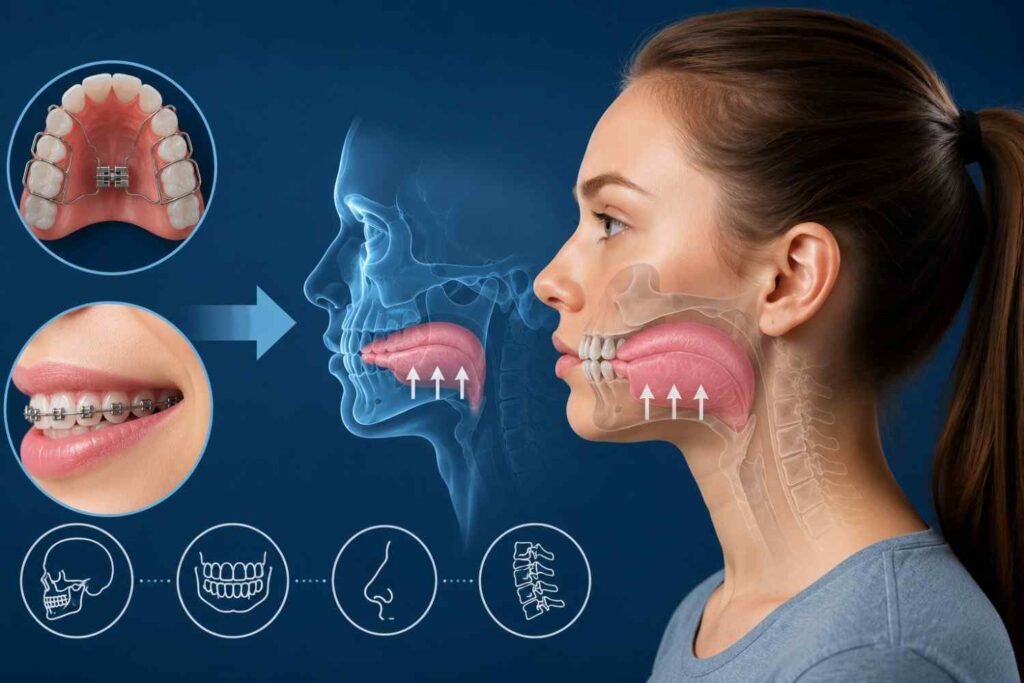




Understanding the Body’s Interconnected Systems
The human body operates as a remarkably interconnected system, where seemingly isolated issues in one area can trigger cascading effects throughout the entire structure. Few people realise that the alignment of their teeth and jaw can significantly influence their posture, balance, and overall physical wellbeing. This fascinating connection between dental occlusion and bodily alignment represents an area of healthcare provided by a private dentist Manchester that deserves far greater attention than it typically receives.
When considering health concerns, most individuals compartmentalise their bodies into separate systems, rarely connecting their dental health with their musculoskeletal framework. However, the temporomandibular joint, which connects the jawbone to the skull, plays a crucial role in maintaining proper head position and, consequently, the alignment of the entire spine. A misaligned bite can create compensatory patterns throughout the body, leading to chronic discomfort and reduced quality of life.
The Science Behind Bite Alignment and Posture

Recent research has illuminated the intricate relationship between dental malocclusion and postural disturbances. Studies examining dental malocclusion and body posture have demonstrated that individuals with bite irregularities often exhibit measurable changes in their standing posture and spinal alignment. The body’s natural tendency to compensate for imbalances means that even subtle discrepancies in jaw positioning can ripple outward, affecting the neck, shoulders, and lower back.
The mechanism behind this connection relates to proprioception and the body’s constant effort to maintain equilibrium. When the jaw sits in an unnatural position due to misaligned teeth, the muscles surrounding the temporomandibular joint must work harder to maintain function. This increased muscular tension extends beyond the immediate area, influencing the cervical spine and shoulder girdle. Over time, these compensatory patterns become ingrained, potentially leading to chronic postural deviations.
Common Symptoms of Bite-Related Postural Issues
Recognising the signs of bite-related postural problems can prove challenging, as symptoms often manifest far from their dental origin. Many individuals seeking treatment from a dentist discover that their persistent headaches, neck pain, or shoulder tension stem from occlusal irregularities rather than purely musculoskeletal causes.
Physical Manifestations to Watch For

The symptoms associated with poor bite alignment extend beyond simple jaw discomfort. Individuals may experience frequent headaches, particularly in the temporal region, as well as unexplained fatigue in the facial muscles. Forward head posture, rounded shoulders, and an exaggerated curve in the lower back often accompany dental malocclusion.
Some people notice clicking or popping sounds when opening their mouth, whilst others report difficulty maintaining an upright posture without conscious effort. In some cases, broader treatment discussions may also include restorative options, such as choosing dental implants, when missing teeth affect bite stability.
Sleep disturbances represent another frequently overlooked consequence of bite misalignment. When the jaw cannot rest in its optimal position, the quality of sleep suffers, leading to daytime fatigue and reduced cognitive function. These interconnected issues highlight the importance of addressing dental concerns as part of a holistic approach to health.
Assessment and Treatment Approaches

Proper evaluation of bite alignment requires comprehensive assessment by qualified dental professionals who understand the relationship between occlusion and postural health. Research into craniofacial morphology and postural balance has enhanced diagnostic capabilities, allowing practitioners to identify subtle misalignments that might otherwise go unnoticed.
Treatment options vary depending on the severity and nature of the malocclusion. Orthodontic interventions, including braces or clear aligners, can gradually reposition teeth to achieve optimal alignment. For some individuals, dental restorations or bite adjustment procedures may prove sufficient. In more complex cases, a multidisciplinary approach involving dental specialists, physiotherapists, and osteopaths yields the most favourable outcomes.
The journey towards improved bite alignment typically requires patience and commitment. Evidence regarding temporomandibular disorders and their systemic effects continues to evolve, providing practitioners with enhanced understanding of treatment protocols. Many patients report significant improvements not only in their dental comfort but also in their overall posture and wellbeing following appropriate intervention.
Taking Control of Your Health
Understanding the connection between bite alignment and posture empowers individuals to take proactive steps towards better health. Regular dental examinations should include discussion of any postural concerns or chronic pain issues, as these may indicate underlying occlusal problems. Consulting with a private dentist can provide valuable insights into whether bite alignment issues contribute to broader health challenges, while also helping patients understand related dental concerns such as the causes of bracket failure during orthodontic treatment.
By addressing dental malocclusion, individuals often discover improvements that extend far beyond their oral health, enhancing their quality of life in unexpected and meaningful ways.