



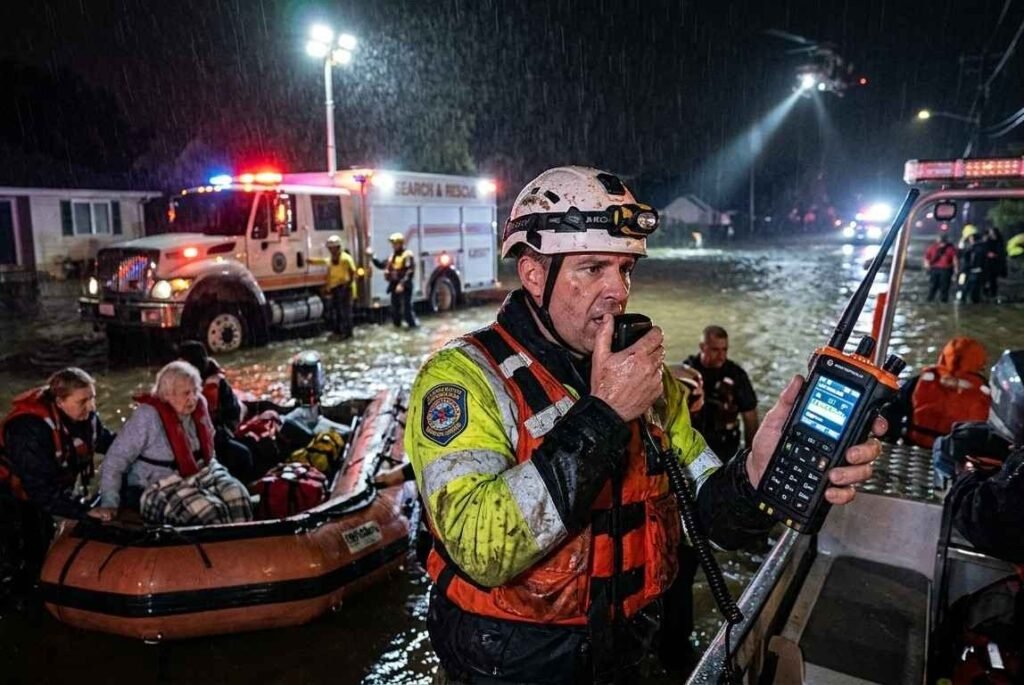
Natural disasters, severe weather, and accidents can strike without warning, often disrupting normal communication channels. During these critical moments, reliable communication is vital for ensuring safety, coordinating responses, and helping those in need. When traditional systems like mobile networks fail, dependable alternatives are crucial.
Effective communication leads to faster emergency responses, better decision-making, and allows people to receive important updates. Satellite two-way radios are a valuable solution, providing a dependable communication link that operates independently when other systems go down.
The Challenges of Communication During Emergencies
Although mobile phones are great for everyday use, cellular networks can be unreliable during emergencies. Natural disasters like hurricanes, earthquakes, or wildfires can damage cell towers and cause power outages. Even if the infrastructure is undamaged, a high volume of calls can overwhelm the system. Additionally, remote areas often have poor cellular coverage in the first place.
When communication is lost, it slows down emergency response efforts. Information delays can stop people from making safe decisions and make it harder for responders to coordinate rescue operations. This is why having an alternative communication system is essential.
The Importance of Reliable Communication During Emergencies
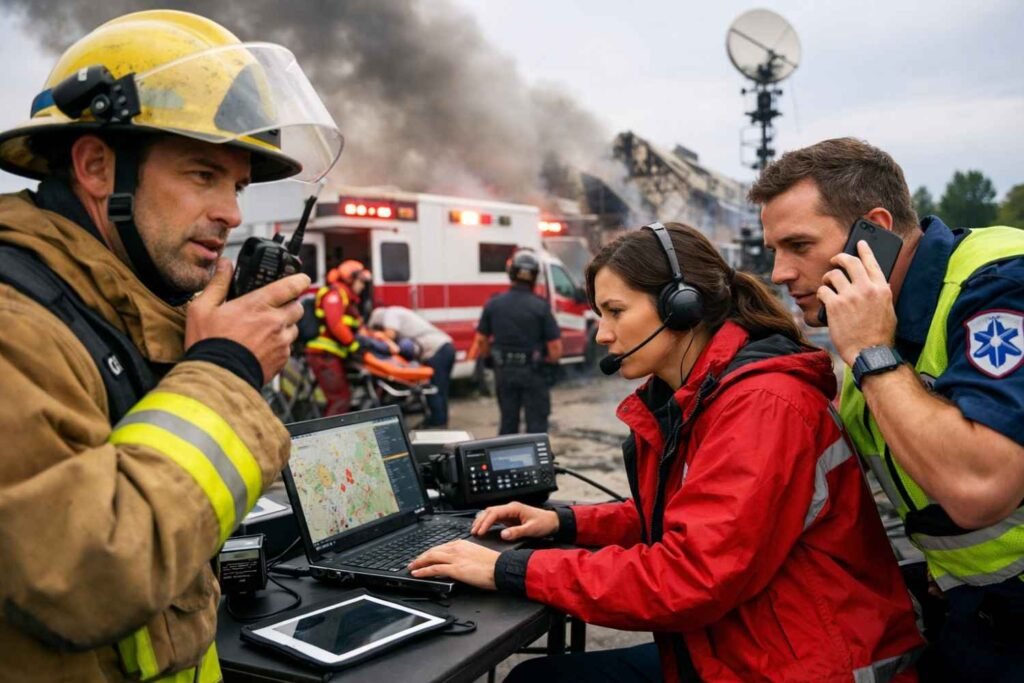
Reliable communication serves several critical functions during emergency situations.
Faster Emergency Response
Emergency personnel rely on communication to coordinate resources, assess conditions, and provide assistance. Accurate information allows teams to prioritize urgent situations and allocate resources where they are needed most. Communication delays can lead to slower response times, making it more difficult to protect people and property. Consistent communication helps ensure that responders stay informed throughout the emergency.
Improved Public Safety
People affected by emergencies need access to timely information. Updates regarding evacuation routes, shelter locations, weather conditions, and safety recommendations can help communities respond appropriately. Reliable communication allows individuals to receive critical instructions and remain connected with family members, coworkers, and emergency services.
Better Coordination Between Teams
Large-scale emergencies often involve multiple organizations working together. Fire departments, medical teams, utility providers, law enforcement agencies, and volunteer groups must coordinate their efforts effectively. Strong communication systems help ensure that information is shared accurately and efficiently. This coordination can improve operational effectiveness and reduce confusion during rapidly changing situations.
How Satellite Communication Supports Emergency Preparedness
Satellite communication technology is advantageous during emergencies because it operates independently of local cellular infrastructure. A satellite two-way radio can continue functioning where cell towers are damaged, overloaded, or unavailable. This capability makes it particularly valuable for emergency responders, disaster relief organizations, and individuals in remote regions. Because communication is routed through satellites rather than ground-based networks, users can maintain contact even when local infrastructure is compromised. This reliability is crucial in situations where communication is essential.
Key Benefits of Satellite-Based Communication
Coverage in Remote Locations
Emergencies can occur anywhere, including rural and remote areas where cellular service may already be limited. Satellite communication provides access to communication channels in locations where traditional coverage is unavailable. This broad coverage helps ensure that important messages can be transmitted regardless of location.
Independence from Local Infrastructure
One of the greatest strengths of satellite communication is its ability to function without relying on local towers or wired networks. When disasters affect communication infrastructure, satellite-based systems often remain operational. This independence can make a significant difference during emergency response efforts.
Enhanced Reliability
Reliable communication helps reduce uncertainty during stressful situations. Knowing that communication channels remain available allows responders and affected individuals to focus on making informed decisions rather than worrying about connectivity. Dependable communication systems support both safety and operational efficiency during emergencies.
Building a Strong Emergency Communication Plan
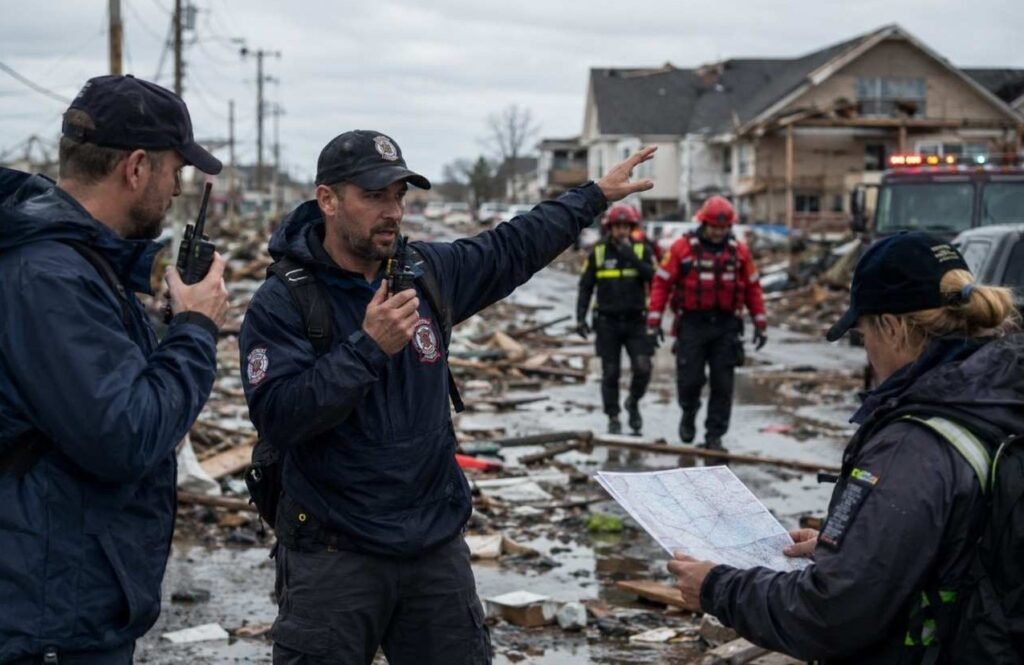
Communication tools are most effective when they are part of a larger preparedness strategy. Organizations and individuals should develop communication plans before emergencies occur.
Important preparation steps include:
- Identifying backup communication methods
- Training personnel on communication procedures
- Regularly testing equipment
- Maintaining spare batteries and power sources
- Establishing emergency contact lists
- Creating communication protocols for different scenarios
Preparation increases confidence and improves the ability to respond effectively when unexpected situations arise. Some organizations also utilize a Satellite handheld radio as part of a broader communication strategy, helping create multiple layers of communication redundancy during emergencies.
The Future of Emergency Communication
As technology evolves, so do our communication systems, which are becoming more powerful and accessible. Satellite communication solutions, in particular, are increasingly integrated into emergency preparedness plans because of their reliability and wide coverage. These advancements improve connectivity for emergency responders, businesses, and individuals, strengthening resilience during disasters. Despite these technological strides, the fundamental goal remains unchanged: ensuring people can communicate when it matters most.
Conclusion
Reliable communication is a critical component of emergency preparedness and response. During natural disasters, infrastructure failures, or other crises, staying connected improves safety, coordination, and decision-making. A satellite two-way radio offers a dependable communication option when traditional networks fail, making it a valuable tool for any individual or organization focused on preparedness. Investing in reliable communication solutions today can make a significant difference during the emergencies of tomorrow.