


Energy efficiency isn’t just a trend—it’s a smart way to save money, reduce your carbon footprint, and make your home more comfortable year-round. Simple upgrades and mindful habits can drastically cut energy usage, lower utility bills, and even increase your home’s value. Whether you’re building a new home or upgrading an older one, these tips will help you create a power-smart, energy-efficient home.
1. Upgrade Your Insulation
Proper insulation is the cornerstone of energy efficiency. A well-insulated home keeps heat inside during winter and blocks it in summer, reducing the load on your heating and cooling systems. Start with the attic, walls, and basement, as these areas often leak the most energy. Spray foam, rigid foam boards, and cellulose insulation are popular options that deliver long-term savings.
2. Seal Air Leaks
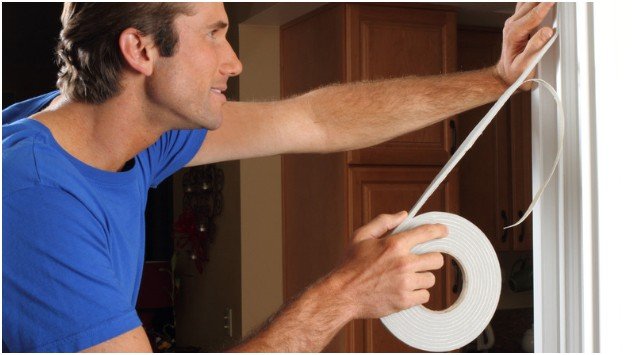
Even the best insulation can be undermined by small gaps and cracks around doors, windows, and vents. Air leaks force your HVAC system to work harder, consuming more energy. Use weatherstripping around doors and caulk around window frames and electrical outlets to prevent drafts. Small fixes like this can lead to surprisingly big energy savings.
3. Invest in Energy-Efficient Windows
Windows are often overlooked when it comes to energy efficiency, but they play a crucial role. Installing energy-efficient windows can dramatically reduce heat loss in winter and heat gain in summer.
If you live in Utah, consider a professional window replacement in Utah to ensure your home stays comfortable while lowering your utility bills. Look for windows with double or triple panes, low-E coatings, and insulated frames for the best results.
4. Upgrade to Smart Heating and Cooling
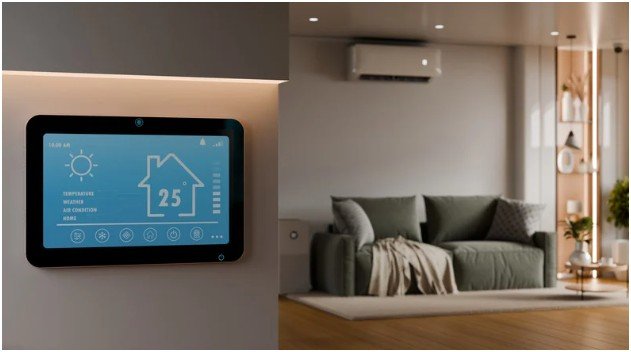
Your HVAC system is one of the biggest energy consumers in your home. Investing in a programmable or smart thermostat allows you to adjust temperatures based on when you’re home or asleep, avoiding wasted energy. Regular maintenance, such as cleaning filters and servicing equipment, also ensures your system runs efficiently.
5. Switch to LED Lighting
Lighting is a small part of your energy bill but an easy one to optimize. Replacing traditional incandescent bulbs with LED lights can cut energy use by up to 80%. LEDs last longer, provide better light quality, and produce less heat, making them a smart investment for every room.
6. Embrace Energy-Efficient Appliances
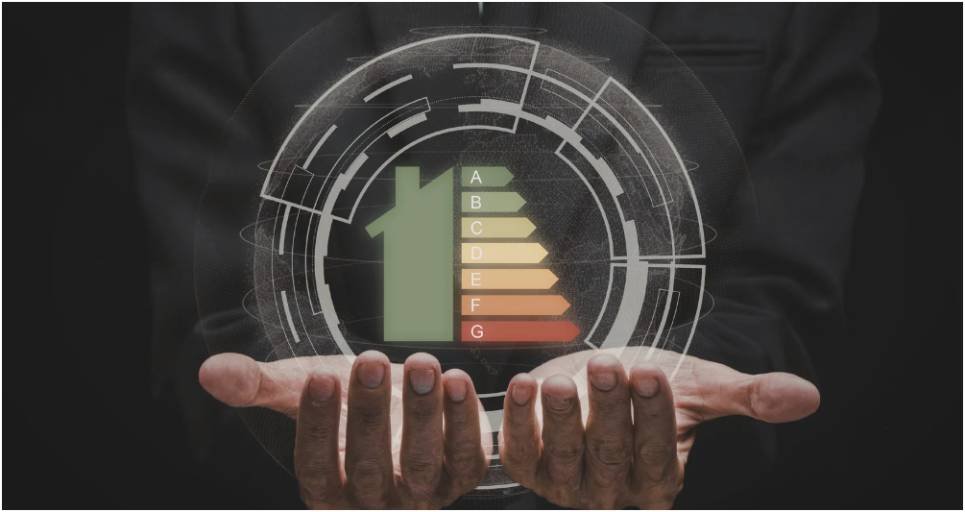
Modern appliances are designed to be more energy-conscious than older models. Look for the ENERGY STAR label when replacing refrigerators, washers, dryers, or water heaters. Even small appliances like dishwashers and microwaves have more efficient versions that can save energy over time.
7. Use Smart Power Strips
Many electronics draw energy even when turned off. Smart power strips detect when devices are idle and cut power automatically, helping you avoid phantom energy use. These are especially useful for entertainment centers, home offices, and kitchen counters where multiple devices are often plugged in.
8. Adopt Sustainable Habits
Energy efficiency isn’t just about upgrades—it’s also about behavior. Simple actions like turning off lights when leaving a room, lowering the thermostat slightly in winter, using cold water for laundry, and air-drying clothes can all add up to significant savings. Educating your household and creating energy-conscious routines is a cost-free way to enhance efficiency.
9. Consider Renewable Energy
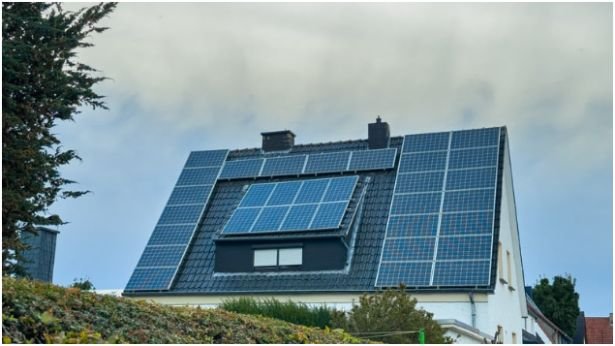
If you want to take your home’s energy efficiency to the next level, explore renewable energy options like solar panels. In sunny states like Utah, solar energy can offset a significant portion of your electricity usage, reducing your bills and your environmental impact. Even partial adoption of renewable energy contributes to a more sustainable home.
10. Regular Maintenance is Key
Finally, consistent upkeep ensures that your energy-saving measures remain effective. Clean filters, maintain insulation to prevent cold flooring in winter, inspect windows and doors, and service HVAC systems regularly. Routine attention prevents energy loss and prolongs the life of your upgrades, keeping your home comfortable and cost-effective.
Final Thoughts
Energy-efficient homes are not only good for your wallet—they’re better for the planet and your overall comfort. From upgrading insulation and windows to adopting sustainable habits, every step counts. By making mindful choices and investing in the right improvements, you can enjoy a power-smart home that saves energy, reduces bills, and increases comfort all year round.