





The contemporary approach to tackling the global obesity epidemic has evolved beyond diet and exercise alone. Across the world, medical professionals are recognising the potential of bariatric surgery as a transformative and potentially lifesaving measure for individuals struggling with severe obesity and its associated health concerns. This surgical route is not only a weight loss option but also a gateway to better health and an improved quality of life.
The Weight of the Matter

Obesity is not merely a cosmetic concern; it’s a medical condition that can lead to numerous health complications like type 2 diabetes, hypertension, heart disease, stroke, and certain forms of cancer. Traditional methods of weight loss can be less effective for individuals with a significant amount of weight to lose, and here is where bariatric surgery can play a crucial role.
Understanding Bariatric Surgery
Bariatric surgery encompasses a variety of procedures designed to assist in weight loss by altering the digestive system. Some surgeries limit the amount one can eat, while others work by reducing the body’s ability to absorb nutrients, or both. Popular procedures include gastric bypass, sleeve gastrectomy, and biliopancreatic diversion with duodenal switch.
However, surgery is not a standalone cure for obesity. It must be accompanied by long-term changes in lifestyle and eating habits. Patients who undergo these procedures must adhere to a strict nutritional regimen and exercise plan post-surgery to ensure success and minimise potential complications.
Am I a Candidate for Bariatric Surgery?
Candidates for bariatric surgery typically have a Body Mass Index (BMI) of 40 or higher, or a BMI between 35-40 with obesity-related conditions. Prior to considering surgery, patients often must demonstrate a genuine effort to lose weight through diet and exercise. A consultation with a bariatric specialist is essential to evaluate if surgery is the most suitable option based on an individual’s health profile and weight loss history.
Surgery might seem like an instant solution, but it is important to understand that it is, in fact, the beginning of a lifelong commitment to health. The ideal candidate is someone who is aware of the risks and benefits and is ready and willing to make necessary longstanding changes.
The Path to Surgical Weight Loss
The process begins with a comprehensive assessment by a team of healthcare professionals, including a bariatric surgeon, dietitian, psychologist, and often a cardiologist and endocrinologist. They work together to develop a personalised plan to navigate pre-surgery preparation, the surgery itself, and the critical postoperative phase.
Post-Surgery: The Journey Continues

Following bariatric surgery, patients are typically required to follow up regularly to monitor weight loss and overall health. These appointments may include blood work, nutritional counseling, and adjustments to the surgical alterations if necessary.
Patients must also commit to a nutrition plan that includes protein-rich, low-carbohydrate meals in smaller portions. Since the procedure restricts the amount of food that the stomach can hold, patients often have to eat several small meals throughout the day.
Regular physical activity is equally important to ensure the durability of weight loss results. Exercise can aid in maintaining lean muscle mass, increase calorie burn, and improve overall mental and physical well-being. Doctors also explain how sleep quality affects immune system. Maintaining good sleep patterns supports recovery and long-term health after surgery.
Benefits Beyond Weight Loss
The benefits of bariatric surgery go beyond mere weight loss. Studies show that it can drastically improve, and, in some cases, resolve conditions associated with obesity. Patients often experience a significant reduction in the severity of diabetes, and in some instances can achieve remission. Improvements in cardiovascular health, joint pain, and fertility have also been documented, as well as a pronounced enhancement in overall quality of life.
Understanding the Risks
Like any major surgical procedure, bariatric surgery does come with its set of risks. Potential complications can range from minor issues like nausea and acid reflux to more serious conditions such as malnutrition or surgical complications. It’s critical that patients fully comprehend these risks and the importance of adherence to medical advice post-surgery.
Making the Decision
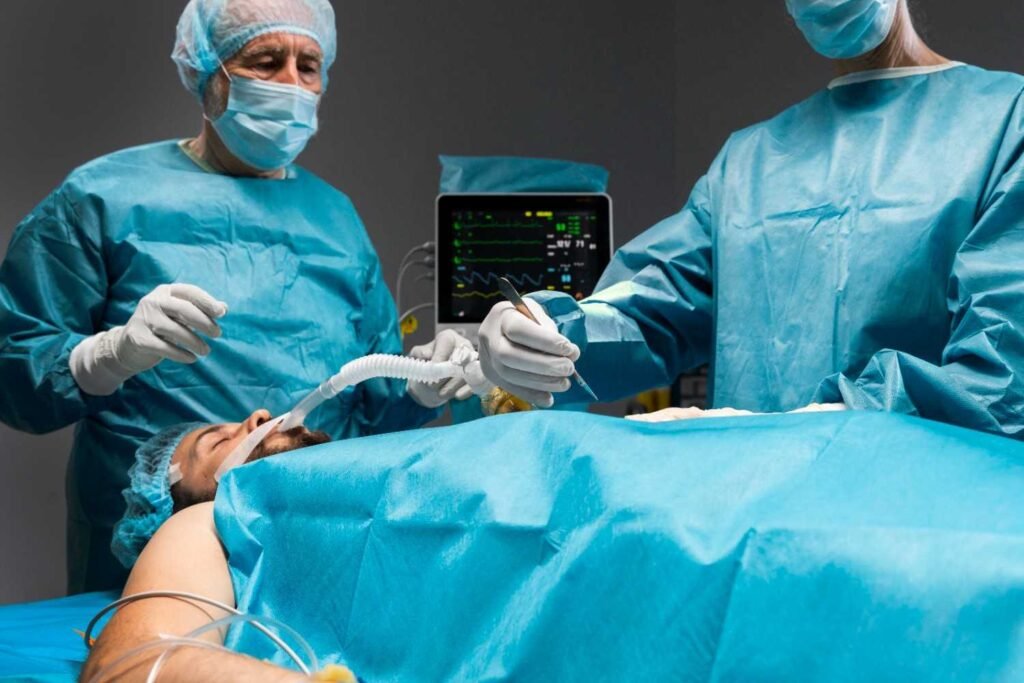
Deciding on bariatric surgery is a substantial and life-altering choice that should not be made lightly. It requires a deep understanding of the lifelong commitment and changes that the surgery entails. Proper research and discussions with a qualified bariatric surgeon and previous patients can help provide insight into the personal and medical considerations required to make this decision.
Incorporating a support network is vital for the success of bariatric surgery. Support groups, mental health professionals, and family members can provide the emotional and motivational assistance needed through this transformative journey. Sharing experiences with those who have undergone similar processes can be extremely beneficial and inspiring.
Conclusion
Bariatric surgery represents a significant step towards a healthier life for many individuals struggling with severe obesity. It is a procedure with the potential not just to change appearances but more importantly to save lives by reducing obesity-related conditions. Recognising the extensive commitment required after bariatric surgery is crucial, but for many patients, the journey entails a rebirth into a healthier, more vibrant existence.