




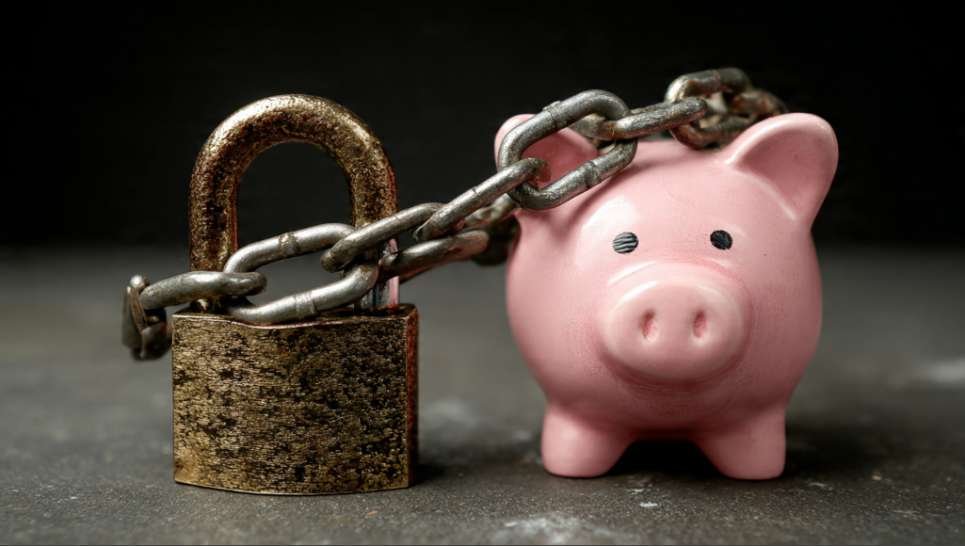
The first step to mastering your finances is understanding the tools in your belt. Not all loans are created equal, and the biggest distinction lies between secured and unsecured debt. Knowing the difference affects everything from the interest rate you pay to what happens if you can’t make a payment.
What Is Secured Debt?
Secured debt is a loan backed by an asset. This asset acts as “collateral,” which is essentially a security deposit for the lender. Because you are pledging something valuable to guarantee the loan, the lender takes on less risk. If you stop making payments, the lender has the legal right to seize the collateral to recover their losses.
Common examples of secured debt include:
- Mortgages: Your home serves as the collateral.
- Auto Loans: The vehicle itself secures the loan.
- Secured Credit Cards: A cash deposit acts as collateral (often used to build credit).
The Benefits of Secured Loans

Because the lender has a safety net (your asset), secured loans generally offer better terms. You will typically find lower interest rates and higher borrowing limits compared to unsecured options. For example, home equity loan rates in Utah are often significantly lower than credit card APRs because the home secures the debt.
This makes secured loans the standard choice for large purchases that require long repayment periods.
The Risks Involved
The primary risk of secured debt is the potential loss of your property. If you default on a mortgage, you face foreclosure. If you miss car payments, your vehicle can be repossessed. This connection to physical assets makes it vital to ensure that monthly payments for secured debts are always within your budget.
What Is Unsecured Debt?
Unsecured debt is not backed by any physical asset or collateral. Instead, the lender approves the loan based almost entirely on your creditworthiness and your promise to repay. They look at your credit score, income, and debt-to-income ratio to determine if you are a safe bet.
Common examples of unsecured debt include:
- Credit Cards: The most common form of unsecured revolving credit.
- Personal Loans: Often used for debt consolidation or unexpected expenses.
- Student Loans: Federal and private loans for education (though federal loans have specific repayment protections).
- Medical Bills: Debts incurred for healthcare services.
The Benefits of Unsecured Loans
The main advantage here is that your property is safe from immediate seizure. If you miss a credit card payment, the bank cannot come and take your car the next day. Unsecured loans also tend to have a faster approval process since there is no need for an appraisal of physical assets.
The Risks Involved
Since the lender takes on more risk by not having collateral, they charge you for it. Unsecured debt typically comes with higher interest rates. Furthermore, while your assets aren’t immediately at risk, defaulting on unsecured debt can severely damage your credit score and emergency fund.
If the debt goes to collections, lenders can still sue you, potentially leading to wage garnishment or liens on your property down the road.
Key Differences: Rates, Risks, and Defaults

Understanding the mechanics of these debts helps you make smarter borrowing decisions. Here is how they stack up against each other:
Interest Rates
Secured loans almost always win on interest rates. A mortgage might have a rate of 6% or 7%, while a credit card might charge upwards of 20% or 25%. Over time, this difference can amount to thousands of dollars.
The Impact of Default
The consequences of not paying differ significantly:
- Secured Default: The immediate consequence is the loss of the specific asset (house, car). Your credit score will also drop significantly.
- Unsecured Default: The immediate consequence is late fees and a hit to your credit score. If the default continues, the debt is sold to a collection agency, and you may face legal action.
Bankruptcy Implications
In the extreme event of bankruptcy, unsecured debts are often dischargeable, meaning they can be wiped out. Secured debts are stickier; usually, if you want to keep the asset (like your house), you must continue to pay for it, or surrender the asset to eliminate the debt.
Strategies for a Balanced Portfolio
Most financially healthy individuals carry a mix of both debt types. You might have a mortgage (secured) and a rewards credit card (unsecured) that you pay off monthly. Here is how to manage them effectively:
- Prioritize High-Interest Debt: In almost all cases, you should focus on paying off high-interest unsecured debt first. The math is simple: paying off a credit card charging 24% is a guaranteed 24% return on your money.
- Protect Your Assets: Always ensure your secured debt payments are prioritized in your monthly budget. Missing a credit card payment is bad; losing the car you need to get to work is catastrophic.
- Leverage Secured Debt for Growth: Use secured debt for appreciating assets, like real estate. Avoid using secured debt for depreciating assets if possible, or ensure the loan term is short.
- Use Unsecured Debt for Convenience: Credit cards offer fraud protection and rewards. Use them for daily spending, but aim to pay the balance in full every month to avoid the high interest costs.
Conclusion
If you are looking to build long-term wealth through real estate or need reliable transportation, secured debt is the appropriate vehicle. It offers the low rates necessary to make large purchases affordable over time. However, never borrow against an asset you aren’t willing to lose.