


subjects = acemoma, acgnp, acells, acema, acelluys, acemoglu, acetoxy, acetyls, acha, acesble, aceshoe.ru, acgh, acerbi, achaar, acgua, acetylcysteinum, achari, acharuli, achaia, aceopolis, acetylmorphine, aceland, acfp.com, aceyourretirement.org, acentech, acetylcholin, acerack, acegikmoqsuwy, acelgas, acetomenaphthone, acelesson, acetalyn, acelluis, achaba, aceituno, aceyalone, acek9, acetylpsilocin, acellu, acelora, acelerate, acetafen, acetaminofen, aceticket, acens, acerena, acetylcholinesterase, acetilcisteã­na, acelleron, acetic, acellerate, aceyus, acezone, ach?????, achacha, aceleration, acetonitrilo, acetylacetonate, acetabuloplasty, acekard, acfan, achashverosh, acemark, acen, acero, acgle, acetamin, ach???, acefone, acetylnitrile, aceras, aceitunas

Recent News

Copyright © 2024 Blaze themes. All Right Reserved.

Why Proper Warning Lights Matter for First Responders

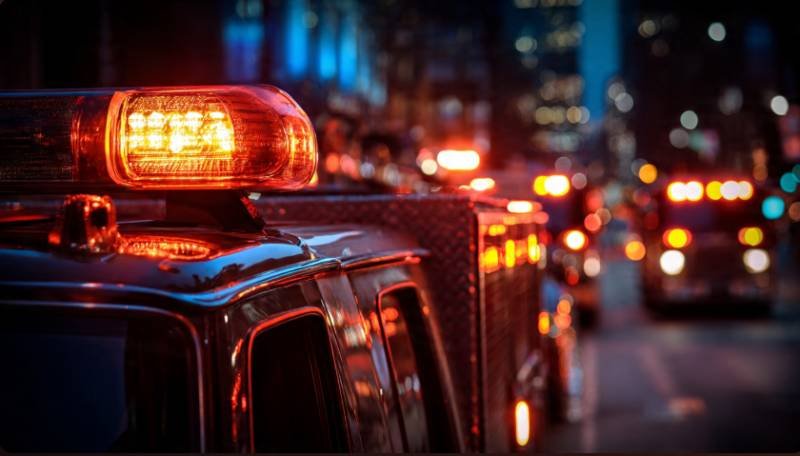
First responders work in high-pressure situations where every second matters. Police officers, firefighters, paramedics, and rescue teams depend on specialized equipment to perform their jobs safely and efficiently. Among the most crucial tools on any emergency vehicle are its warning lights.

Properly installed and highly visible lighting systems are not just helpful—they are essential. Emergency light bars play a key role in alerting the public, protecting first responders, and maintaining traffic flow during emergencies.

Recognizing the importance of effective warning lights underscores their critical role in both routine operations and life-threatening situations.

Immediate Visibility Saves Lives

Visibility is crucial for emergency vehicles responding to calls. Warning lights signal urgency and ensure drivers can quickly identify and yield to approaching vehicles. High-quality emergency light bars provide bright, intense illumination that remains visible in all conditions—daylight, rain, fog, or darkness.

Clear visibility minimizes confusion, enabling motorists to react safely and promptly. Any delay in recognition can slow emergency response times or create hazardous traffic situations. Reliable warning lights enhance awareness and reduce the risk of collisions during high-speed responses.

Enhanced Scene Safety
Enhanced Scene Safety

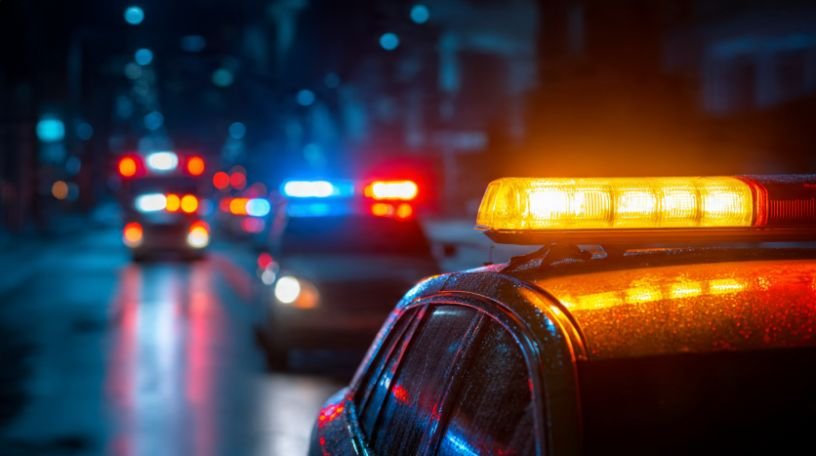
Once first responders are on site, warning lights continue to play a crucial role. Incidents like roadside accidents, fires, and medical emergencies often happen in unpredictable environments. Emergency lights clearly mark the perimeter of the scene and alert oncoming traffic to the hazard.

When positioned correctly, this lighting creates a visual barrier, signaling drivers to slow down and proceed with caution. This added layer of protection reduces the risk of secondary accidents, keeping responders, victims, and bystanders safe. The lights provide a clear visual signal that encourages cautious driving.

Clear Communication Through Light Patterns

Warning lights do more than just flash—they communicate. Different patterns and colors signal specific types of emergency vehicles and their operational status. For example, certain color schemes might indicate a police presence, while others identify fire or medical services.

Many modern light bars feature programmable patterns to improve recognition and prevent visual fatigue. Alternating and synchronized sequences enhance clarity and effectively draw attention.

This clear visual communication helps drivers understand the situation’s urgency, reducing hesitation and supporting smoother traffic flow during emergency responses.

Improved Performance in All Weather Conditions

First responders must operate in all weather conditions, from rain and snow to dust and fog. These elements can reduce visibility and increase risks, so warning lights must perform reliably even in extreme environments.

High-quality lighting systems are designed with weather-resistant housings and sealed components to prevent moisture damage. This durable construction ensures consistent brightness and functionality under challenging conditions, supporting uninterrupted service when lives are on the line.

Increased Operational Efficiency
Increased Operational Efficiency

Efficient emergency response relies on clear signals to manage traffic. Bright warning lights help clear intersections quickly, reducing delays during urgent calls. Roof-mounted light bars offer elevated, multi-angle visibility, ensuring that approaching vehicles can see the lights from a distance, even in heavy traffic.

This efficiency reduces response times, helping emergency teams reach their destinations faster and contributing to better outcomes in critical situations.

Durability for Demanding Environments

Emergency vehicles endure intense daily use, from long shifts and high-speed travel to constant exposure to the elements. This demanding environment requires durable equipment. Modern warning lights are built to withstand vibration, impact, and prolonged operation.

Advanced LED systems, for example, consume less power while delivering powerful brightness, which reduces strain on the vehicle’s electrical systems. Their durable construction also minimizes maintenance and downtime, ensuring first responders can focus on their mission without worrying about equipment reliability and low income budget.

Public Awareness and Compliance

Effective warning lights help ensure public cooperation. When signals are clear, drivers are more likely to move aside promptly and yield to emergency vehicles as required by law. Bright, unmistakable warning systems improve compliance because drivers are less likely to misinterpret the signals or react slowly.

These strong visual alerts foster a culture of road safety, where clear communication between emergency responders and the public creates safer conditions for everyone.

Professionalism and Authority

Well-designed emergency lighting also reinforces the authority and professionalism of first responders. A properly equipped vehicle signals readiness and a commanding presence, while clear, synchronized lights demonstrate organization and reliability.

This professional appearance helps build trust and confidence with the public, who depend on these services during critical moments. Consistent, high-performing lighting systems reflect a commitment to safety and operational excellence.

Conclusion

Warning lights on emergency vehicles are more than just accessories—they are critical, life-saving tools. Emergency light bars ensure visibility, clear communication, durability, and efficiency in high-pressure situations where speed and clarity are vital.

Reliable lighting protects first responders, victims, and the public by enabling rapid response, improving scene safety, and facilitating clear communication in unpredictable conditions. Investing in quality warning lights enhances emergency operations and underscores the commitment to safety upheld by first responders every day.


Tags :

Laura Mitchell

Laura Mitchell writes on agriculture, sustainability, and environmental issues. Her work explores food systems, rural development, and ecological responsibility, helping readers understand how environmental and agricultural choices impact communities and long-term sustainability

https://gesiinitiative.com/

Leave a Reply

Your email address will not be published. Required fields are marked *

Featured Posts

Latest Post

First responders work in high-pressure situations where every second matters. Police officers, firefighters, paramedics, and rescue teams depend on specialized equipment to perform their jobs safely and efficiently. Among the most crucial tools on any emergency vehicle are its warning lights.

Properly installed and highly visible lighting systems are not just helpful—they are essential. Emergency light bars play a key role in alerting the public, protecting first responders, and maintaining traffic flow during emergencies.

Recognizing the importance of effective warning lights underscores their critical role in both routine operations and life-threatening situations.

Immediate Visibility Saves Lives

Visibility is crucial for emergency vehicles responding to calls. Warning lights signal urgency and ensure drivers can quickly identify and yield to approaching vehicles. High-quality emergency light bars provide bright, intense illumination that remains visible in all conditions—daylight, rain, fog, or darkness.

Clear visibility minimizes confusion, enabling motorists to react safely and promptly. Any delay in recognition can slow emergency response times or create hazardous traffic situations. Reliable warning lights enhance awareness and reduce the risk of collisions during high-speed responses.

Enhanced Scene Safety

Enhanced Scene Safety

Once first responders are on site, warning lights continue to play a crucial role. Incidents like roadside accidents, fires, and medical emergencies often happen in unpredictable environments. Emergency lights clearly mark the perimeter of the scene and alert oncoming traffic to the hazard.

When positioned correctly, this lighting creates a visual barrier, signaling drivers to slow down and proceed with caution. This added layer of protection reduces the risk of secondary accidents, keeping responders, victims, and bystanders safe. The lights provide a clear visual signal that encourages cautious driving.

Clear Communication Through Light Patterns

Warning lights do more than just flash—they communicate. Different patterns and colors signal specific types of emergency vehicles and their operational status. For example, certain color schemes might indicate a police presence, while others identify fire or medical services.

Many modern light bars feature programmable patterns to improve recognition and prevent visual fatigue. Alternating and synchronized sequences enhance clarity and effectively draw attention.

This clear visual communication helps drivers understand the situation’s urgency, reducing hesitation and supporting smoother traffic flow during emergency responses.

Improved Performance in All Weather Conditions

First responders must operate in all weather conditions, from rain and snow to dust and fog. These elements can reduce visibility and increase risks, so warning lights must perform reliably even in extreme environments.

High-quality lighting systems are designed with weather-resistant housings and sealed components to prevent moisture damage. This durable construction ensures consistent brightness and functionality under challenging conditions, supporting uninterrupted service when lives are on the line.

Increased Operational Efficiency

Increased Operational Efficiency

Efficient emergency response relies on clear signals to manage traffic. Bright warning lights help clear intersections quickly, reducing delays during urgent calls. Roof-mounted light bars offer elevated, multi-angle visibility, ensuring that approaching vehicles can see the lights from a distance, even in heavy traffic.

This efficiency reduces response times, helping emergency teams reach their destinations faster and contributing to better outcomes in critical situations.

Durability for Demanding Environments

Emergency vehicles endure intense daily use, from long shifts and high-speed travel to constant exposure to the elements. This demanding environment requires durable equipment. Modern warning lights are built to withstand vibration, impact, and prolonged operation.

Advanced LED systems, for example, consume less power while delivering powerful brightness, which reduces strain on the vehicle’s electrical systems. Their durable construction also minimizes maintenance and downtime, ensuring first responders can focus on their mission without worrying about equipment reliability and low income budget.

Public Awareness and Compliance

Effective warning lights help ensure public cooperation. When signals are clear, drivers are more likely to move aside promptly and yield to emergency vehicles as required by law. Bright, unmistakable warning systems improve compliance because drivers are less likely to misinterpret the signals or react slowly.

These strong visual alerts foster a culture of road safety, where clear communication between emergency responders and the public creates safer conditions for everyone.

Professionalism and Authority

Well-designed emergency lighting also reinforces the authority and professionalism of first responders. A properly equipped vehicle signals readiness and a commanding presence, while clear, synchronized lights demonstrate organization and reliability.

This professional appearance helps build trust and confidence with the public, who depend on these services during critical moments. Consistent, high-performing lighting systems reflect a commitment to safety and operational excellence.

Conclusion

Warning lights on emergency vehicles are more than just accessories—they are critical, life-saving tools. Emergency light bars ensure visibility, clear communication, durability, and efficiency in high-pressure situations where speed and clarity are vital.

Reliable lighting protects first responders, victims, and the public by enabling rapid response, improving scene safety, and facilitating clear communication in unpredictable conditions. Investing in quality warning lights enhances emergency operations and underscores the commitment to safety upheld by first responders every day.

GESI Initiative: A digital platform offering clear insights and thoughtful analysis on agriculture, economics, education, environment, and health to inspire informed action.

Latest News

Most Popular

Copyright © 2026 GESI Initiative | All Rights Reserved.