




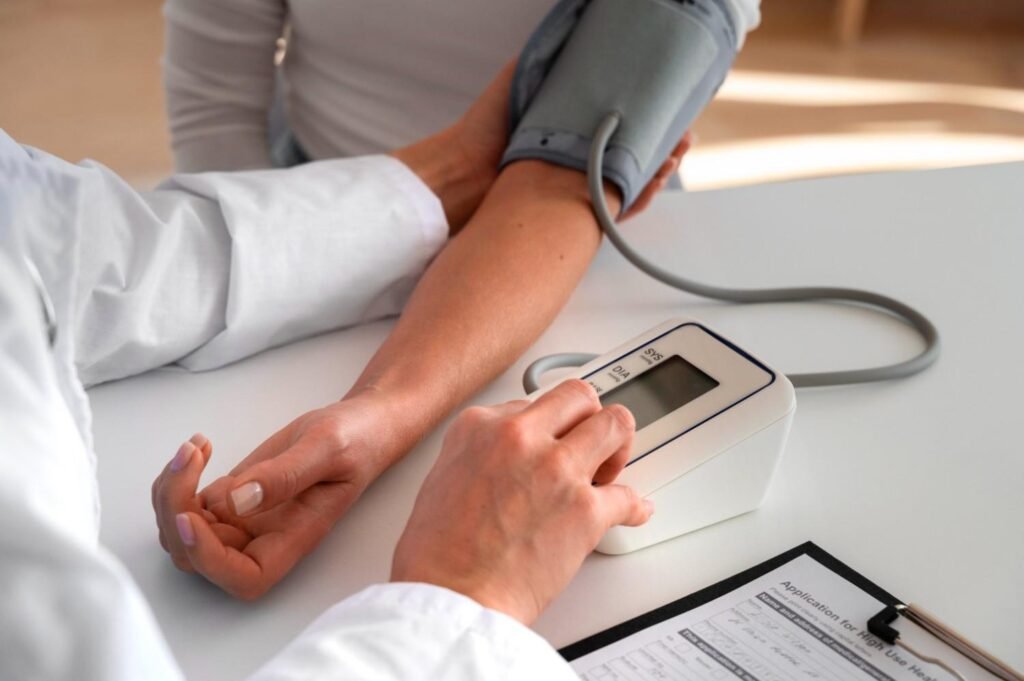
High blood pressure, or hypertension, rarely shows up all at once. It builds quietly, shaped by everyday habits, genetics, and the environment around us. I once assumed it came down to one obvious culprit—too much salt or too much stress—but the truth is far more layered.
Knowing what drives hypertension changes how you see it. It explains why some people develop it early, why many never notice symptoms, and why real prevention isn’t about quick fixes—it’s about the patterns you repeat year after year.
How High Blood Pressure Typically Develops
In general, high blood pressure increases as blood vessels lose flexibility and the heart has to work harder to move blood through the body. This process happens slowly, which is why many adults don’t realize their blood pressure is rising.
Doctors classify hypertension into two main categories based on its origin. Knowing the difference helps explain how and why blood pressure changes over time.
Primary Hypertension: The Most Common Form
Primary hypertension (essential hypertension), accounts for the majority of cases in adults. There isn’t a single medical condition responsible for it. Instead, it develops gradually due to multiple overlapping influences.
When people ask what causes high blood pressure, this category is usually what they’re experiencing.
Genetic and Family Influences
A strong family history plays a major role. If close relatives have hypertension, the likelihood increases. Genetics can affect how the body regulates fluids, processes sodium, and responds to stress, all of which influence blood pressure levels.
Age-Related Changes
Blood pressure tends to rise with age because arteries naturally become less elastic over time. As blood vessels stiffen, the heart must pump with greater force, leading to higher readings even in otherwise healthy adults.
Lifestyle Patterns That Raise Blood Pressure

Certain daily habits contribute significantly to long-term increases in blood pressure:
- Excess salt intake leads to fluid retention, increasing pressure within blood vessels.
- Limited physical activity often results in weight gain and higher resting heart rates.
- Carrying excess body weight places additional strain on the heart and can disrupt hormone balance.
- Smoking and heavy alcohol use damage artery walls and cause both short-term spikes and lasting vascular stress.
Racial and Ethnic Risk Differences
In the United States, high blood pressure occurs more frequently and often at younger ages among Black adults. This increased risk is linked to a combination of genetic sensitivity, social factors, and environmental stressors rather than a single cause.
Secondary Hypertension: When Another Issue Is Responsible
Secondary hypertension develops when an underlying condition or external factor directly raises blood pressure. Unlike primary hypertension, it often appears suddenly and may cause more dramatic increases.
This form provides a clearer answer for people wondering what causes high blood pressure when it develops rapidly or proves difficult to control.
Medical Conditions Linked to Secondary Hypertension
Several health issues can directly interfere with blood pressure regulation:
- Kidney disease, the most common contributor, affects how the body manages fluid and sodium
- Sleep-related breathing disorders, such as obstructive sleep apnea
- Thyroid and adrenal gland disorders, which alter hormone levels
- Tumors affecting hormone production, particularly in the adrenal glands
Medications That Can Elevate Blood Pressure
Some commonly used medications can raise blood pressure as a side effect, including:
- Hormonal contraceptives
- Cold and allergy medications containing decongestants
- Over-the-counter pain relievers such as ibuprofen
When blood pressure rises unexpectedly, reviewing medications often becomes an important step.
Congenital and Pregnancy-Related Factors
Some individuals are born with structural abnormalities affecting the heart or blood vessels, which can contribute to elevated blood pressure. Pregnancy can also trigger hypertension in certain cases, particularly through conditions like preeclampsia.
How Lifestyle and Environment Work Together

What I’ve learned is that hypertension rarely comes from one source alone. Environmental stress, food availability, work schedules, and access to healthcare all influence how lifestyle habits form and persist.
Even factors like sleep quality, stress management, and daily movement patterns quietly shape blood pressure over time. These influences may not cause immediate changes, but their effects compound year after year.
Why High Blood Pressure Often Goes Unnoticed
One of the most dangerous aspects of hypertension is how quietly it progresses. Many people feel completely normal while damage slowly occurs inside the body.
Unchecked high blood pressure increases the risk of heart disease, stroke, kidney damage, and vision problems. Regular monitoring remains the only reliable way to detect it early.
What Helps Reduce Risk Over Time
Once I understood what causes high blood pressure, prevention started to feel more realistic. Managing risk doesn’t require perfection. It comes down to consistent choices:
- Improving overall diet quality
- Staying physically active
- Maintaining a healthy weight
- Limiting tobacco and alcohol use
- Addressing sleep and stress issues
In some cases, medication becomes necessary, especially when genetics or medical conditions play a strong role.
Frequently Asked Questions (FAQs)
1. What is the most common reason adults develop high blood pressure?
Most adults develop primary hypertension, which builds slowly due to aging, genetics, diet, activity level, and long-term lifestyle habits.
2. Can medications really increase blood pressure?
Yes. Certain prescription and over-the-counter medications can raise blood pressure, especially when used regularly.
3. Does high blood pressure always cause symptoms?
No. Many people experience no symptoms at all, which is why routine blood pressure checks are essential.
4. Is it possible to lower blood pressure once it rises?
In many cases, lifestyle changes can significantly reduce blood pressure. Some people also need medication for long-term control.
Why High Blood Pressure Isn’t Just One Cause
High blood pressure doesn’t come from one bad habit or a single mistake. It builds quietly as your body responds to genetics, daily behaviors, and the environment around you. When people ask what causes high blood pressure, the real answer is rarely simple—it’s the result of many small influences stacking up over time.
Once you understand those influences, you’re no longer guessing. You gain the ability to spot risk early, make smarter choices, and protect your health long before serious problems appear.