



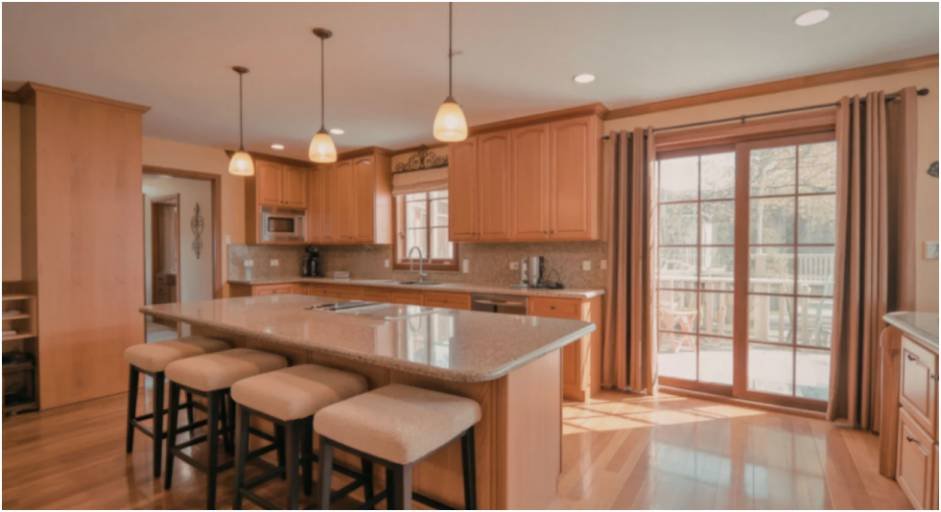
A kitchen renovation is one of the most exciting home improvement projects you can undertake. It is a chance to transform a tired, outdated space into the vibrant heart of your home. You get to choose beautiful new finishes, upgrade your appliances, and finally fix that awkward layout that has bothered you for years.
Setting Your Budget
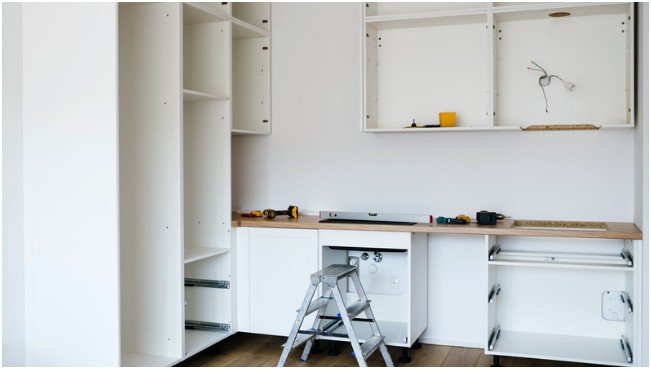
Before you look at a single tile sample, you need to determine how much you can afford to spend. A clear financial plan acts as the roadmap for your entire project.
Define a Realistic Budget
Start by looking at your finances to see what you can comfortably afford. A good rule of thumb is to spend between 5% and 15% of your home’s total value on a kitchen remodel. This helps ensure you get a good return on your investment. Break this total number down into categories like cabinetry, labor, appliances, and materials.
Prepare for Hidden Costs
Renovations rarely go exactly as planned. Once demolition starts, you might discover water damage behind the sink, outdated electrical wiring, or uneven subfloors. You need to factor these possibilities into your initial calculations so you are not caught off guard.
Build a Contingency Fund
To protect yourself against these hidden surprises, set aside a contingency fund. Experts recommend reserving 15% to 20% of your total budget strictly for unexpected expenses. If everything goes smoothly, you will simply have money left over at the end of the project to revitalize your kitchen.
Design and Layout
The way your kitchen functions is just as important as how it looks. A brilliant design makes cooking and entertaining a joy.
Understand Your Needs
Think about how you actually use the space. A family of five needs a very different kitchen than a single person who mostly orders takeout. Consider your cooking habits, how much storage you require, and whether you need space for kids to do homework.
Explore Popular Kitchen Layouts
Your room’s size and shape will largely dictate your layout options. Galley kitchens are highly efficient for narrow spaces. L-shaped and U-shaped designs offer great counter space and flexibility. If you have enough room, adding an island provides a central hub for prep work and socializing.
Respect the Workflow Triangle
The traditional kitchen work triangle connects the sink, stove, and refrigerator. Keeping this path clear and relatively compact minimizes wasted steps while you cook. Even in modern, broken-plan kitchens, maintaining logical zones for prep, cooking, and cleaning is essential.
Seek Professional Design Help
You do not have to figure out the layout all on your own. Hiring a professional kitchen designer can introduce you to clever storage solutions and optimal spatial planning you might have missed.
Material Selection
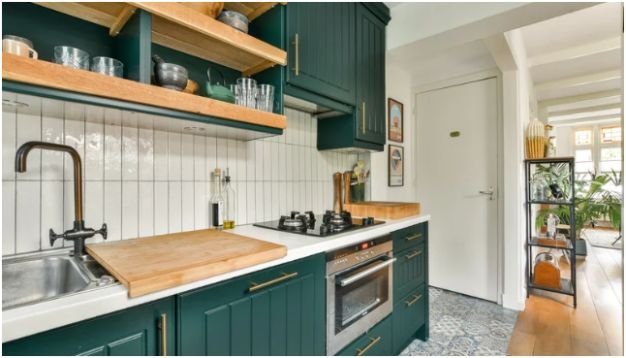
Choosing your materials is often the most fun part of a remodel. This is where your personal style truly comes to life.
Countertops
Your counters take a lot of abuse, so durability matters. Quartz is incredibly popular because it is stain-resistant and low-maintenance. Granite offers a beautiful, natural look but requires occasional sealing. Laminate is highly cost-effective, while a wood butcher block adds warmth but needs regular oiling.
Cabinetry
Cabinets take up a massive portion of both your visual space and your budget. You can choose from stock, semi-custom, or fully custom builds depending on your price point. Pay attention to the materials and finishes. For instance, if you are looking for specific regional styles or local craftsmanship, researching options like cabinets in Salt Lake City can help you find high-quality builders that match your aesthetic.
Flooring
Kitchen floors must withstand spills, dropped pots, and heavy foot traffic. Hardwood is classic and warm, but it can be susceptible to water damage. Tile is extremely durable and easy to clean. Luxury vinyl plank has become a top choice because it mimics wood perfectly while being completely waterproof.
Backsplash Options
The backsplash protects your walls from grease and water. It is also a great place to add a pop of color or texture. Subway tile is a timeless choice, while geometric patterns or solid stone slabs offer a more modern feel.
Appliances
Upgrading your appliances can drastically improve your cooking experience and lower your utility bills.
Match Needs to Budget
Do not buy a six-burner commercial range if you only cook basic meals. Choose appliances that fit your actual lifestyle. Make a list of must-have features versus nice-to-have luxuries to keep your spending in check.
Consider Smart Technology
Smart appliances are becoming standard. Refrigerators with built-in screens can help you track groceries, and ovens can be preheated remotely via your smartphone. Decide if these tech integrations will actually make your life easier before paying a premium for them.
Prioritize Energy Efficiency
Look for Energy Star-certified appliances. They use less electricity and water, which is better for the environment and reduces your monthly utility bills.
Lighting and Electrical
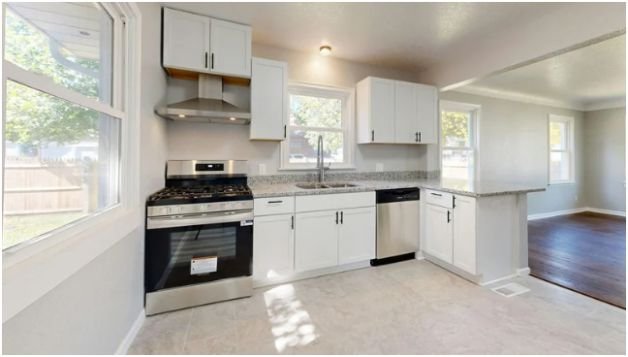
A dark kitchen is difficult and dangerous to work in. Proper lighting is a functional necessity.
Layer Your Lighting
A well-lit room uses three layers of lighting. Ambient lighting provides overall illumination. Task lighting focuses on specific work areas like the counters and stove. Accent lighting highlights architectural features or display cabinets.
Plan Outlets and Switches
Think about where you plug in your coffee maker, blender, and toaster. Ensure you have plenty of easily accessible outlets. Modern kitchens often include outlets with built-in USB ports for charging devices.
Add Under-Cabinet Lighting
Under-cabinet lighting is one of the best upgrades you can make. It eliminates shadows on your countertops and provides excellent task lighting for chopping and food prep.
Plumbing Considerations
Moving plumbing lines is expensive. Keep this in mind as you finalize your layout.
Sinks and Faucets
Undermount sinks make wiping down counters incredibly easy, while farmhouse sinks offer a deep basin and a rustic look. Pair your sink with a pull-down faucet for maximum functionality when washing large pots.
Dishwasher Placement
Your dishwasher should always be located right next to the sink. This makes rinsing and loading dishes a seamless process. Make sure the open dishwasher door does not block major walkways.
Refrigerator Water Lines
If you are buying a fridge with a built-in water dispenser or ice maker, you need a dedicated water line. Plan this early, so your contractor can run the pipes before the new flooring goes in.
Hiring Professionals

Unless you are a highly skilled tradesperson, a full kitchen remodel is not a DIY project.
Know Who to Hire
A general contractor will manage the daily operations, hire subcontractors, and keep the project moving. You might also want to bring in an architect if you are knocking down load-bearing walls, or an interior designer to help with finishes.
Vet Your Candidates
Take the time to find reliable professionals. Ask friends and neighbors for recommendations. Read online reviews and ask the contractors to provide references from past clients. Always look at photos of their previous work.
Demand Contracts and Insurance
Never start work without a detailed, written contract. It should outline the payment schedule, timeline, and exact materials being used. Verify that your contractor carries adequate liability insurance and workers’ compensation.
Timeline and Disruption
Living through a renovation is challenging. Knowing what to expect makes it much easier to handle.
Set Realistic Timelines
A minor cosmetic update might take a few weeks. A complete gut remodel can take several months. Delays with shipping materials or getting city permits are common. Add a buffer to your expected completion date.
Prepare for Living Without a Kitchen
You will be without a stove or sink for weeks. Set up a temporary kitchenette in another room. Move your microwave, coffee maker, and fridge if possible. Stock up on paper plates and plan a budget for ordering takeout.
Manage the Stress
Dust and noise will become part of your daily life. Keep communication open with your contractor to stay informed about the progress. Try to stay flexible and remember the beautiful result.
Conclusion
Proper preparation transforms a chaotic construction project into a manageable process. By carefully defining your budget, locking down a functional layout, and hiring trustworthy professionals, you set yourself up for absolute success. A kitchen renovation is a major life event, but it is deeply rewarding. Take a deep breath, finalize your plans, and get ready to watch your dream kitchen become a reality.