





Every time you get behind the wheel, you make a silent commitment—to yourself, your passengers, and everyone sharing the road—to drive responsibly. While modern vehicles are equipped with advanced safety technology, true protection starts with your decisions. Practicing safe driving habits, maintaining your vehicle, and staying alert can significantly reduce your risk of accidents. Here’s how you can put safety first every time you drive.
Start with Defensive Driving
One of the most effective ways to stay safe is by practicing defensive driving. This approach goes beyond simply following traffic laws—it means actively anticipating potential hazards and responding proactively.
Defensive drivers keep a safe following distance, scan the road ahead for potential risks, and remain prepared for sudden changes. For example, if a car ahead is swerving slightly within its lane, a defensive driver will create extra space in case that vehicle makes an unexpected move.
Taking a defensive driving course in Utah can sharpen these skills even further. These courses reinforce hazard recognition, proper braking techniques, and strategies for handling aggressive drivers. Even experienced drivers benefit from a refresher that reinforces safe habits and builds confidence.
Eliminate Distractions
Distracted driving remains one of the leading causes of accidents. According to the National Highway Traffic Safety Administration (NHTSA), distractions such as texting, eating, adjusting navigation systems, or even engaging in intense conversations can dramatically reduce reaction times.
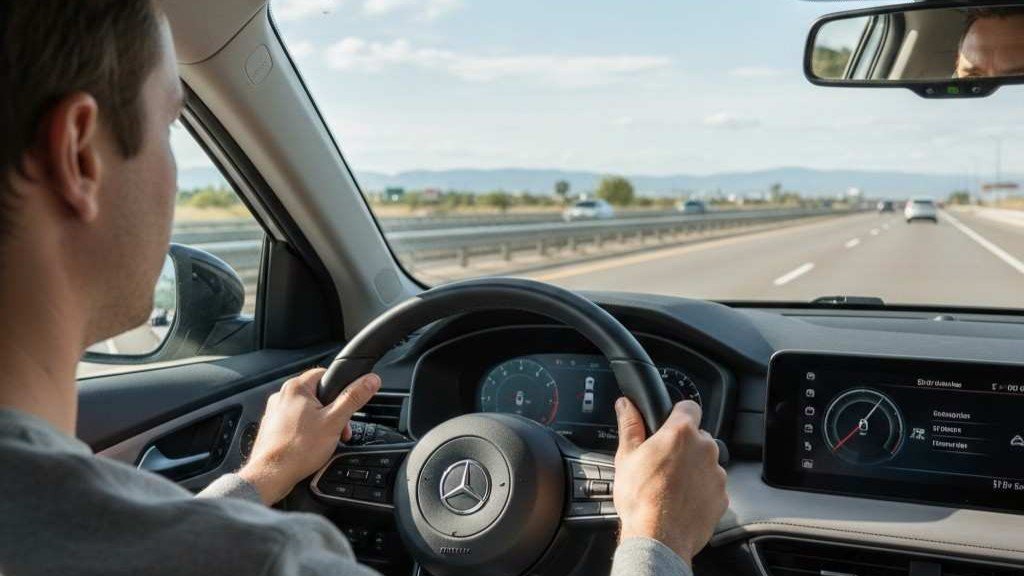
To reduce distractions:
- Put your phone on “Do Not Disturb” mode while driving.
- Set your GPS and music before you start moving.
- Avoid eating or grooming behind the wheel.
- Pull over safely if something demands your full attention.
Remember, taking your eyes off the road for just a few seconds can have lasting consequences.
Keep a Safe Following Distance
Tailgating is a common yet dangerous habit. Maintaining at least a three-second following distance gives you time to react if the vehicle in front of you brakes suddenly. In poor weather conditions—rain, snow, or fog—increase that distance to five or six seconds.
A simple way to measure this is by choosing a stationary object on the road ahead. When the car in front passes it, count “one-thousand-one, one-thousand-two, one-thousand-three.” If you pass the same object before you finish counting, you’re too close.
Adapt to Weather Conditions
Weather can dramatically impact driving safety. Rain reduces traction, snow and ice limit braking effectiveness, and fog decreases visibility.
In adverse conditions:
- Reduce your speed.
- Use headlights appropriately.
- Avoid sudden braking or sharp turns.
- Ensure your tires have adequate tread depth.
Slowing down and staying calm during challenging weather can prevent unnecessary accidents and keep you in control.
Maintain Your Vehicle Regularly
A well-maintained car is a safer car. Mechanical failures such as worn brake pads, underinflated tires, or faulty headlights can increase the risk of collisions.
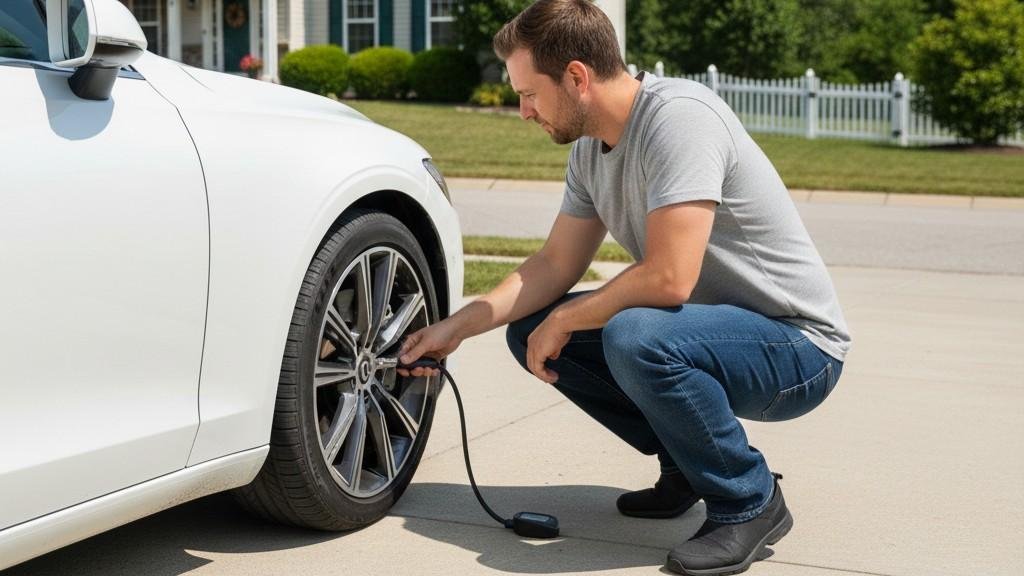
Regularly inspect:
- Tire pressure and tread depth
- Brake performance
- Windshield wipers
- Fluid levels (oil, coolant, brake fluid)
- All exterior lights
Scheduling routine maintenance with a trusted mechanic helps identify potential problems before they become dangerous.
Wear Your Seatbelt—Every Time
It may seem obvious, but seatbelts remain one of the most effective safety features in any vehicle. The Centers for Disease Control and Prevention (CDC) consistently reports that seatbelts significantly reduce the risk of serious injury and death in crashes.
Make it a habit to buckle up before shifting into gear—and ensure every passenger does the same. For families, proper installation of car seats and booster seats is equally critical for child safety.
Manage Speed Wisely
Speed limits exist for a reason. Driving too fast reduces your ability to steer safely around curves or obstacles and increases stopping distance. Even driving slightly above the limit can reduce reaction time when something unexpected happens.
Adjust your speed not only to the posted limit but also to road and traffic conditions. Heavy traffic, construction zones, or school areas require extra caution.
Stay Alert and Rested
Fatigue can impair driving just as much as alcohol. Drowsy drivers experience slower reaction times, reduced awareness, and impaired decision-making.
To avoid fatigue-related risks:
- Get adequate sleep before long trips.
- Take breaks every two hours during extended drives.
- Avoid driving during hours you’d normally be asleep.
If you feel your eyes getting heavy or your focus drifting, pull over safely and rest.
Share the Road Respectfully
Road safety isn’t just about protecting yourself—it’s about protecting everyone. Watch for pedestrians at crosswalks, give cyclists adequate space, understand warning lights around you and check blind spots carefully before changing lanes.
Avoid aggressive behaviors like tailgating, excessive honking, or sudden lane changes. Staying calm behind the wheel reduces the likelihood of escalation and keeps traffic flowing smoothly.
Make Safety a Daily Habit
Protecting yourself on the road isn’t about one grand gesture—it’s about consistent, mindful habits. Each decision you make, from buckling your seatbelt to slowing down in the rain, contributes to a safer driving experience.
When you commit to defensive driving, eliminate distractions, maintain your vehicle, and respect others on the road, you significantly lower your risk of accidents. Safety truly starts with you.
Every trip—whether it’s a quick errand or a long road adventure—deserves your full attention and care. Put safety first, and you’ll not only protect yourself but also help create safer roads for everyone.