




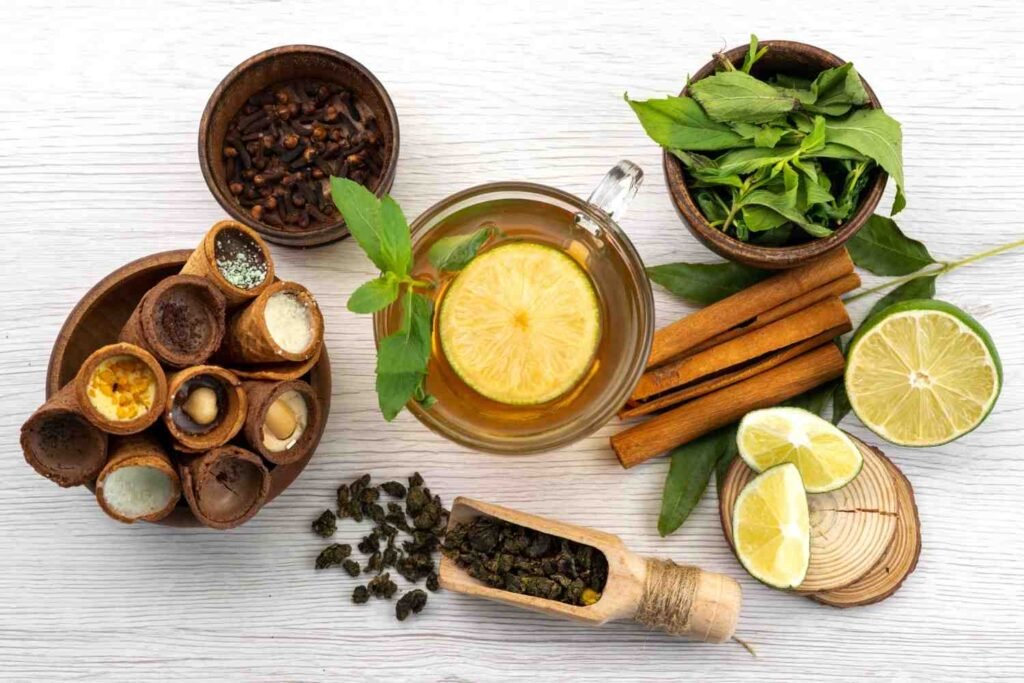
Managing autoimmune diseases can feel overwhelming, but there’s good news: natural remedies for autoimmune inflammation can make a real difference. Inflammation often lies at the heart of many autoimmune symptoms, and while medication is essential, turning to natural remedies can provide significant relief.
These remedies can reduce symptoms, boost immune function, and enhance your overall well-being — all while working alongside your current treatment plan. In this blog, I’ll share 10 powerful natural remedies for autoimmune inflammation that you can start using today to take control of your health and feel better. Ready to discover how these solutions can work for you?
Why Natural Remedies for Autoimmune Inflammation Are Important
Autoimmune diseases occur when your immune system mistakenly attacks healthy cells. This often results in chronic inflammation, which is responsible for many of the symptoms you experience.
Natural remedies for autoimmune inflammation offer a gentler way to manage symptoms and can be used in conjunction with prescribed medication. Not only do these remedies help reduce inflammation, but they also support the body’s overall health and immune system function.
Before trying any of these remedies, consult with your healthcare provider, especially if you are already on medication. Let’s take a closer look at some effective natural treatments.
1. Anti-Inflammatory Diet: Fuel Your Body Right
Diet plays a major role in inflammation management. Adopting an anti-inflammatory diet can significantly reduce autoimmune symptoms. The Mediterranean diet is often recommended for its focus on healthy fats, fruits, vegetables, and lean proteins.
Foods to Include:
- Omega-3 Fatty Acids: Found in fatty fish like salmon and mackerel, they help reduce inflammation.
- Fruits and Vegetables: Berries, spinach, and tomatoes are rich in antioxidants that combat inflammation.
- Healthy Fats: Avocados, almonds, walnuts, and extra virgin olive oil are excellent sources of healthy fats.
- Herbs and Spices: Turmeric and ginger contain compounds that naturally reduce inflammation.
Foods to Avoid:
- Processed Foods: Fast food, packaged snacks, and fried foods can increase inflammation.
- Refined Carbs & Sugar: White bread, pastries, and sugary drinks should be avoided.
What To Do Next:
Start incorporating more of these anti-inflammatory foods into your meals. You could even try the Autoimmune Protocol (AIP) diet under medical supervision to eliminate trigger foods.
2. Omega-3 Fatty Acids: Nature’s Inflammation Fighter
Omega-3 fatty acids, found in fish oil and flaxseeds, are essential for reducing inflammation. They help balance the immune response and alleviate symptoms of autoimmune diseases like rheumatoid arthritis and lupus.
What To Do Next:
Try eating fatty fish like salmon twice a week, or consider taking omega-3 supplements if you don’t eat fish regularly.
3. Curcumin: The Active Ingredient in Turmeric
Curcumin, the active compound in turmeric, has been shown to have strong anti-inflammatory properties. It’s comparable to some NSAIDs (non-steroidal anti-inflammatory drugs) in its effectiveness, without the side effects.
What To Do Next:
Add turmeric to your meals or drink turmeric tea. You can also take curcumin supplements, but ensure they’re combined with black pepper for better absorption.
4. Probiotics: A Healthy Gut for a Healthy Immune System
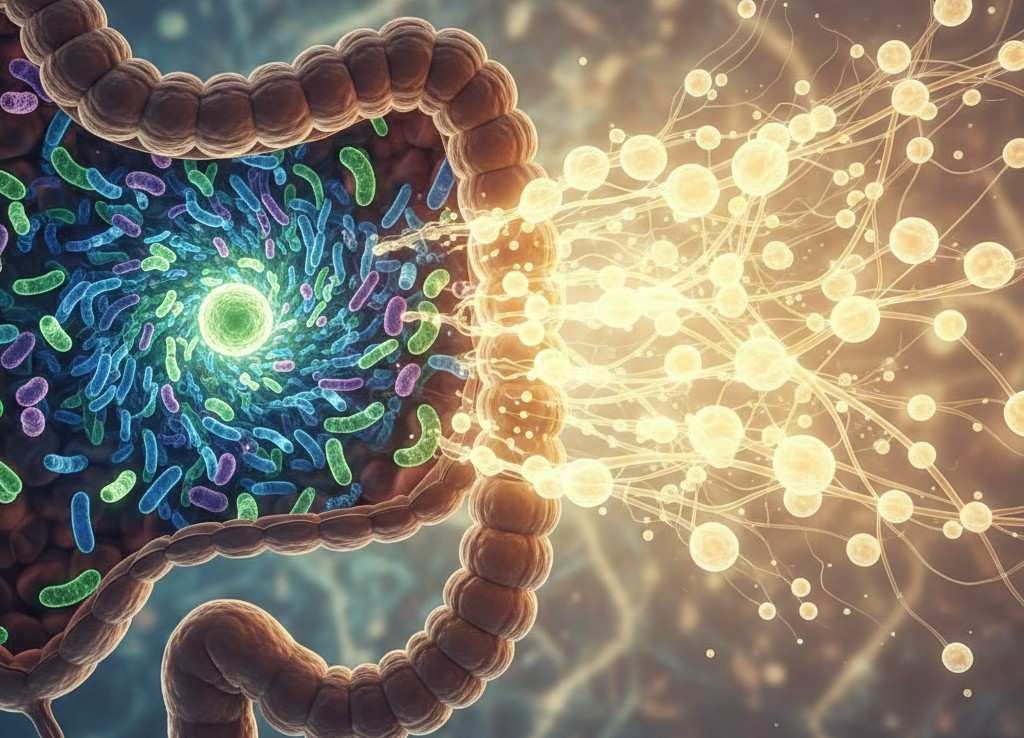
Research has shown that a healthy gut microbiome is essential for regulating the immune system. Probiotics found in fermented foods like kimchi, sauerkraut, and yogurt can help reduce inflammation and improve immune function.
What To Do Next:
Incorporate fermented foods into your diet or take a probiotic supplement to support your gut health.
5. Vitamin D: Regulate Your Immune System
Vitamin D deficiency has been linked to increased autoimmune disease activity. Supplementing with vitamin D can help regulate your immune system and reduce inflammation.
What To Do Next:
Spend some time in the sun, or take vitamin D supplements. Have your vitamin D levels checked by your doctor to ensure you’re getting the right dosage.
6. Ginger: A Natural Pain Reliever
Ginger contains compounds that help block inflammatory substances and alleviate pain, especially for conditions like rheumatoid arthritis. It’s a safe, natural alternative to pharmaceutical pain relievers.
What To Do Next:
Drink ginger tea or add fresh ginger to your meals to fight inflammation.
7. Green Tea: A Powerful Antioxidant
Green tea contains epigallocatechin gallate (EGCG), which inhibits inflammatory mediators. Drinking green tea regularly can help reduce inflammation and support overall health.
What To Do Next:
Drink 1-2 cups of green tea daily, or consider taking green tea extract supplements if you want higher concentrations of EGCG.
8. Stress Management: Keep Inflammation in Check
Chronic stress can worsen inflammation, so managing stress is essential for autoimmune health. Practices like yoga, meditation, and deep breathing can help lower cortisol levels and reduce inflammation.
What To Do Next:
Practice mindfulness daily, whether it’s through meditation, yoga, or simply taking a few minutes each day to breathe deeply and relax.
9. Quality Sleep: Let Your Body Heal

Adequate sleep is essential for inflammation management. Poor sleep can lead to higher levels of inflammation, which can worsen autoimmune symptoms. Make sleep a priority to help your body heal and recover.
What To Do Next:
Aim for 7-9 hours of restorative sleep each night. Establish a bedtime routine and create a sleep-friendly environment.
10. Regular Exercise: Reduce Inflammation Naturally
Moderate exercise like walking, swimming, or cycling can help reduce inflammation and improve your overall well-being. It also enhances your body’s ability to manage autoimmune symptoms and reduces pain.
What To Do Next:
Incorporate regular physical activity into your routine. Aim for at least 30 minutes of moderate exercise, most days of the week.
Frequently Asked Questions (FAQs)
1. What are the most effective natural remedies for autoimmune inflammation?
The most effective remedies include an anti-inflammatory diet, omega-3 fatty acids, curcumin, probiotics, and stress management techniques.
2. Can natural remedies replace medication for autoimmune diseases?
Natural remedies can complement medical treatments, but they should never replace prescription medication unless approved by your doctor. Always consult with your healthcare provider before trying new remedies.
3. How long does it take to see results from natural remedies for autoimmune inflammation?
Results vary by individual, but many people report feeling improvements in a few weeks when consistently incorporating natural remedies. Patience and consistency are key.
4. Can stress really make autoimmune inflammation worse?
Yes, stress can significantly increase inflammation by raising cortisol levels. Managing stress through techniques like yoga or meditation can help reduce inflammation over time.
Conclusion
Incorporating natural remedies for autoimmune inflammation can be a powerful way to manage symptoms and improve your overall health.
By focusing on an anti-inflammatory diet, stress reduction, quality sleep, and specific supplements, you can take control of your autoimmune condition and feel better in the process. Remember to consult your healthcare provider before making significant changes to your treatment plan.