




Accidents happen, and you could have to deal with a dental emergency like a knocked-out tooth when you’re eating, playing sports, or simply going about your day. Even though it’s simple to become anxious, maintaining composure and taking the appropriate action can assist in preserving your teeth and guarantee that you receive the ideal care.
With the right steps, you can improve the chances of saving the tooth. In this guide, I’ll walk you through the critical steps of knocked out tooth treatment, ensuring you know exactly what to do in an emergency.
What Happens When a Tooth Gets Knocked Out?
A knocked-out tooth, also called an avulsed tooth, can occur when trauma or impact forces a tooth out of its socket. This can happen due to a variety of reasons, such as an accidental fall, sports injuries, or even car accidents. The good news is that timing is everything. The faster you act, the better the chances of reattaching the tooth and preventing complications.
How to Treat a Knocked-Out Tooth: Step-by-Step Guide
When faced with a knocked-out tooth, it’s crucial to act quickly and follow the right steps. The goal is to preserve the tooth until you can get to a dentist. Here’s exactly what you should do:
Step 1: Find the Tooth
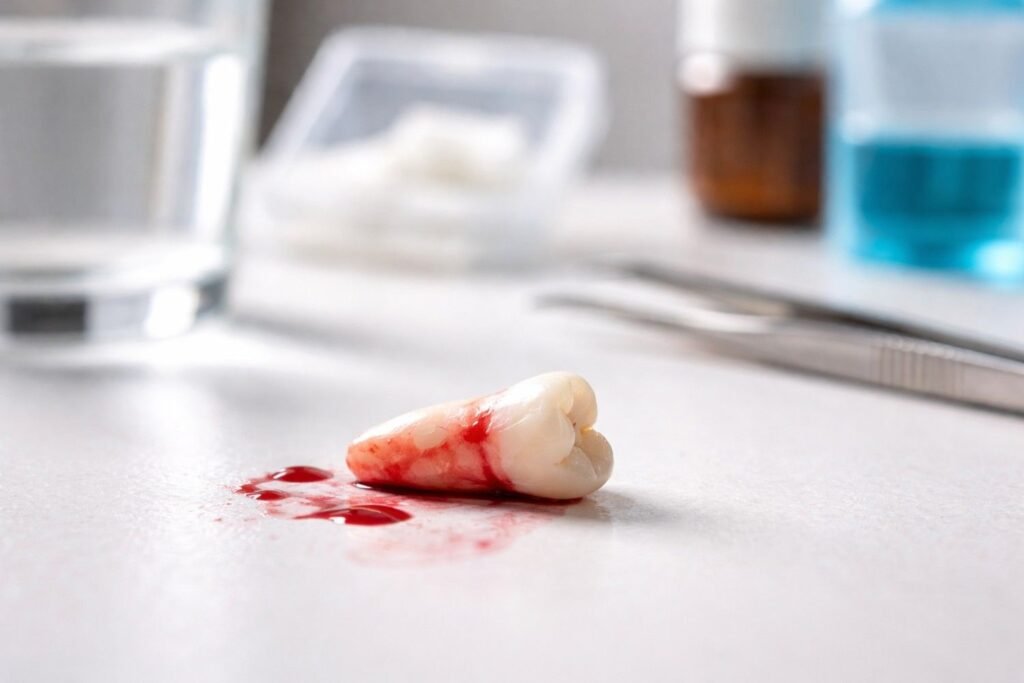
The first thing to do is locate the tooth. If you find it, avoid touching the root (the part of the tooth that’s usually buried in the socket). Hold the tooth by the crown — the chewing surface of the tooth. This is important, as touching the root can damage the cells that are needed for reattachment.
Step 2: Rinse the Tooth (If Needed)
If the tooth is dirty, gently rinse it under cold water to remove dirt and debris. Do not scrub the tooth or use soap, as this can damage it. The idea is to rinse the tooth clean without harming any of the delicate tissues on the root.
Step 3: Reinsert the Tooth (If Possible)
If you’re able to, gently reinsert the tooth back into its socket. This step is critical, as placing the tooth back in its socket can help preserve it while you head to the dentist. Have the person bite down on a clean cloth or gauze to keep the tooth in place. However, if reinsertion isn’t possible, don’t panic—proceed to the next step.
Step 4: Keep the Tooth Moist
If you can’t get the tooth back into the socket, you need to keep it moist. Place the tooth in a container with milk or a special tooth preservation kit. If milk isn’t available, use saline or even water as a temporary solution. The goal is to keep the tooth from drying out, as dry teeth are much harder to reattach successfully.
Step 5: Seek Professional Dental Help Immediately
Time is of the essence when it comes to a knocked-out tooth. Call your dentist or visit an emergency dental care provider immediately. Ideally, you want to see a dentist within 30 minutes to an hour of the injury to have the highest chance of saving the tooth.
Professional Treatment for a Knocked-Out Tooth
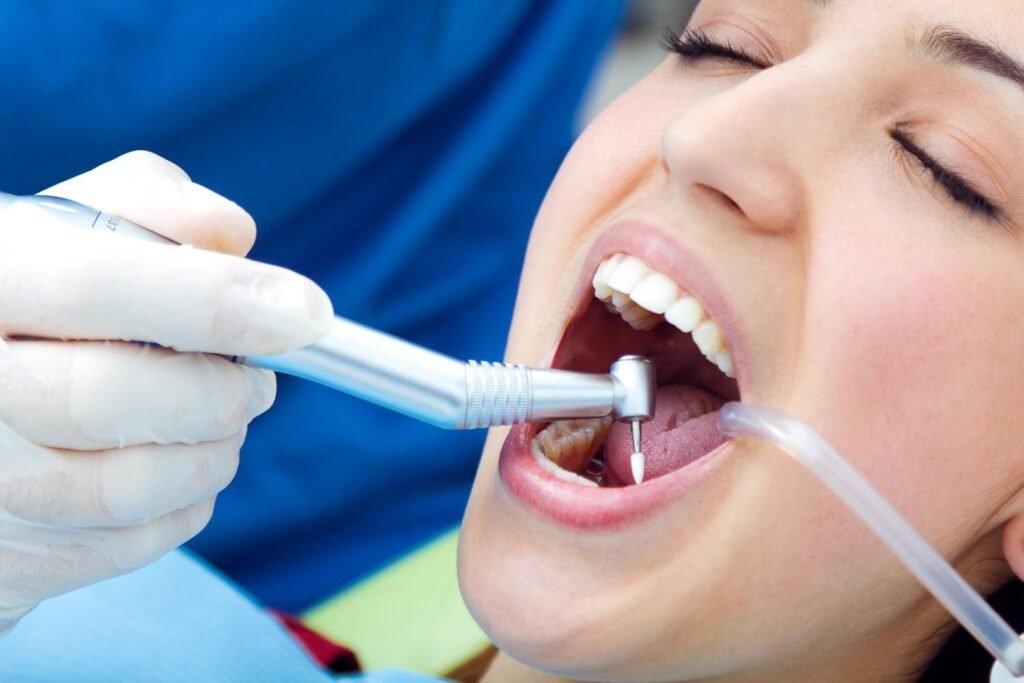
Once you reach the dentist, the knocked out tooth treatment process typically begins with re-implantation. The dentist will clean the socket, reposition the tooth, and secure it with a splint to ensure it stays in place as it heals.
Tooth Reimplantation
If the tooth is still viable, your dentist will attempt to reimplant the tooth back into the socket. In some cases, the dentist may use a splint to hold the tooth in place while it heals. The process of reimplantation has the best chance of success if done within 1 hour of the injury.
Root Canal Treatment
Sometimes, even if the tooth is reimplanted, it might not survive long-term. If the tooth’s pulp (the center of the tooth containing nerves and blood vessels) is damaged, you may need root canal therapy to prevent infection and preserve the tooth.
Alternative Options: Dental Implants or Bridges
If the tooth cannot be saved, your dentist will discuss options for tooth replacement, such as a dental implant or dental bridge. While dental implants are often the best option for replacing a knocked-out tooth, the cost and procedure will depend on your individual situation.
Frequently Asked Questions (FAQs)
1. Can a knocked-out tooth be saved?
Yes, a knocked-out tooth can often be saved if you act quickly. The best chances of saving the tooth come from replacing it within an hour and keeping it moist.
2. What if I can’t find my knocked-out tooth?
If you can’t find the tooth, visit your dentist as soon as possible. There are still options for tooth replacement, such as dental implants or bridges.
3. How long do I have to get to the dentist?
You should aim to visit a dentist within 30 minutes to an hour of the injury. After that time, the chances of successfully reimplanting the tooth decrease significantly.
4. What should I do if my child knocks out a tooth?
If your child knocks out a baby tooth, it is usually not re-implanted, but you should still visit the dentist for an evaluation. For permanent teeth, follow the same steps outlined above for adults.
Conclusion
It might be frustrating to deal with a knocked-out tooth, but prompt intervention can make all the difference. With quick action and the right care, you can maximize the chances of saving your tooth. Knowing the proper knocked out tooth treatment steps, from re-insertion to professional care, is key to protecting your oral health.
Every action you do improves your chances of saving your tooth, whether you’re re-inserting it into its socket or keeping it moist until you visit the dentist.