




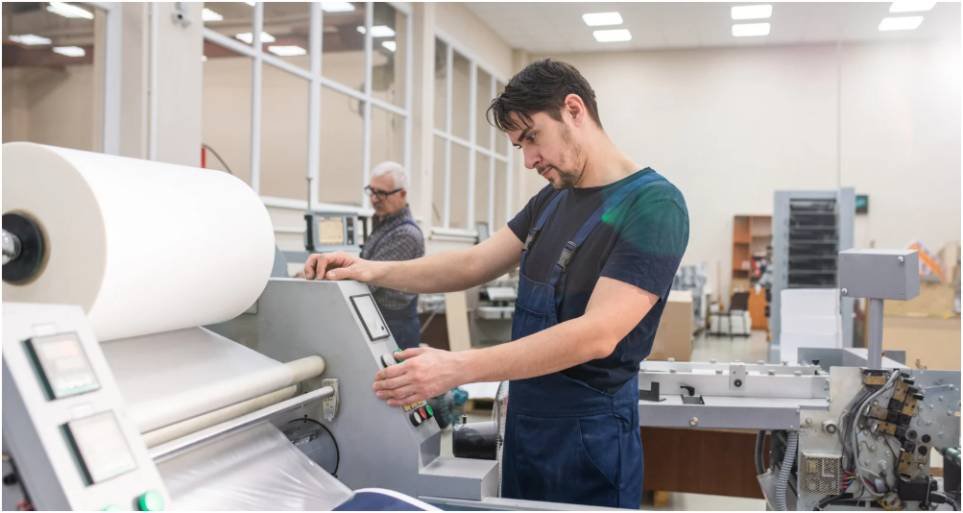
In the world of professional printing, whether it be offset, flexographic, or digital wide-format, the focus is often placed heavily on the consumables: the quality of the ink, the type of substrate, and the resolution of the source file.
While these elements are undoubtedly critical, they rely entirely on a physical foundation that is often overlooked until something goes wrong: the mechanical integrity of the printer itself. The difference between a crisp, professional output and a wasted run often comes down to the reliability and precision of the machine’s moving parts.
For facility managers and print operators, understanding the correlation between mechanical health and print quality is essential. When a machine operates with worn, dirty, or substandard components, even the highest-quality ink cannot save the final product. Here is how focusing on reliable mechanical parts can drastically improve your print quality and consistency.
1. Precision Material Handling and Tension Control
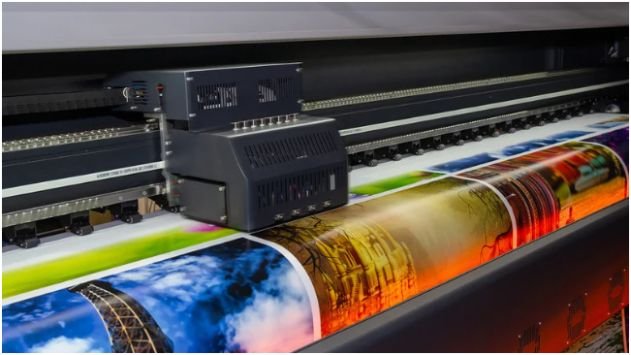
The journey of a print begins with how the material is fed into the system. If the substrate—be it paper, vinyl, or film—does not move through the printer at a perfectly consistent speed and tension, the image will be distorted. This is where the quality of your feed components becomes paramount.
Inconsistent tension can lead to registration errors, where the different color layers (CMYK) do not align perfectly, resulting in a blurry or “out of focus” look. This is frequently caused by slippage or uneven wear in the transport system.
A high-quality rubber roller is essential in this process, providing the necessary grip and friction to transport materials smoothly without marking or damaging the surface. When these rollers harden or develop flat spots over time, they lose their ability to maintain constant traction, leading to the dreaded “skewing” where the paper drifts sideways during printing.
2. The Critical Role of Bearings in Reducing Vibration
Vibration is the enemy of print sharpness. In high-speed printing environments, mechanical components are spinning at thousands of revolutions per minute. The bearings that support these rotating shafts are responsible for ensuring smooth, frictionless motion.
When bearings begin to wear out or if they are of inferior quality, they introduce microscopic vibrations into the system. To the naked eye, the machine might look stable, but at the print head level, these vibrations translate into “banding”—horizontal lines that appear across the image.
High-precision bearings dampen this vibration, ensuring that the print head or drum remains perfectly stable relative to the paper. Regularly inspecting and replacing bearings before they fail is a proactive step that protects print clarity.
3. Gear Trains and Drive Synchronization
Inside the complex machinery of a printer, gears and timing belts transfer power from the motors to the rollers and print heads. This transmission of power needs to be seamless. “Backlash,” which refers to the play or gap between gear teeth, is a common mechanical issue that degrades quality.
If there is too much play in the gears, the printer cannot stop and start the movement of the paper with the necessary precision. This results in “dot gain,” where the dots of ink spread out more than intended, or inconsistent stepping, which creates visible gaps in solid blocks of color.
Utilizing precision-machined gears and high-tensile timing belts ensures that every movement of the motor translates to an exact, predictable movement of the print mechanism.
4. Platen Flatness and Vacuum Systems
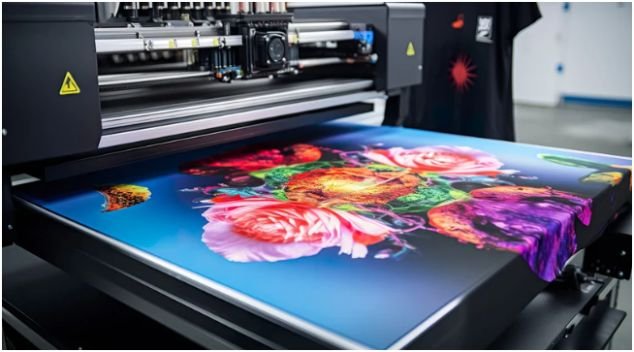
For flatbed and wide-format printers, the flatness of the platen (the surface the material sits on) is crucial. If the mechanical bed is warped or uneven, the distance between the print head and the substrate changes as the head moves across. This variance affects the “throw distance” of the ink droplets.
If the head is too far away, the droplets scatter, causing overspray and a fuzzy image. If it is too close, you risk a head strike, which ruins the print and can damage expensive print heads.
Reliable vacuum tables and mechanical leveling systems ensure the substrate is held perfectly flat and at the exact right distance, maintaining sharpness across the entire width of the print.
5. Routine Maintenance and Component Lifecycle
Perhaps the most significant factor in maintaining print quality is recognizing that all mechanical parts have a lifecycle. Metal wears down, rubber oxidizes, and lubricants dry out.
A “run to failure” mentality is disastrous for print quality because the degradation happens slowly. You might not notice the slow drift in color registration or the slight increase in banding until a client complains.
Establishing a schedule for inspecting and replacing mechanical parts is vital for technology trends every business should know to stay relavant and updated. This includes cleaning paper dust from sensors, greasing rails, and swapping out feed tires and separation pads.
Using OEM or high-grade aftermarket parts ensures that when you do make a replacement, the machine returns to factory specifications rather than operating at a sub-optimal level.
Conclusion
Achieving flawless print quality is a symphony of chemistry and physics. While the chemistry of inks and coatings gets the glory, the physics of the machine—the bearings, gears, and rollers—does the heavy lifting.
By investing in reliable mechanical parts and adhering to a strict maintenance schedule, print shops can ensure that their output remains sharp, accurate, and professional, run after run. Don’t wait for a breakdown to check your mechanics; proactive care is the key to excellence.