



Tennis is a sport of split-second decisions and explosive movements. Players are constantly sprinting, stopping abruptly, pivoting, and jumping. While proper footwear and good technique are essential for staying safe, the condition of the court itself plays a massive—often overlooked—role in injury prevention.
A neglected court isn’t just an eyesore; it is a physical hazard. Uneven surfaces, poor traction, and inadequate shock absorption can turn a friendly match into a trip to the emergency room. For facility managers, schools, and private court owners, prioritizing safety means looking beyond the net and lines to the foundation underfoot.
Improving your court doesn’t always require a total rebuild. Strategic upgrades and consistent maintenance can drastically lower the risk of slips, trips, and chronic stress injuries. Here are five renovations that instantly modernize and make your court safer for players of all ages and skill levels.
1. Addressing Surface Cracks and Uneven Areas
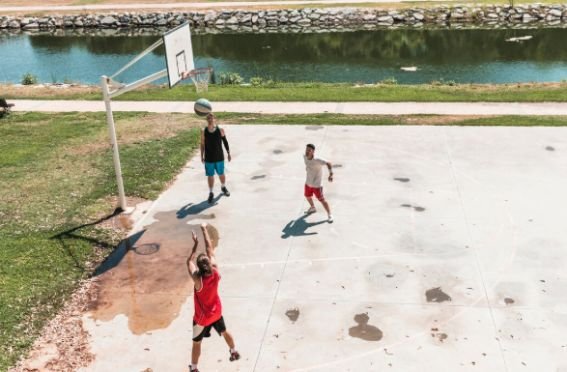
The most obvious hazard on any hard court is surface degradation. Over time, asphalt and concrete bases settle, shift, and succumb to the elements. This is particularly true in regions with distinct seasons, where freeze-thaw cycles expand minor hairline fractures into gaping tripping hazards.
When a player is focused on returning a fast serve, they aren’t looking at their feet. A crack as small as a quarter-inch wide can catch a toe or cause an ankle to roll. furthermore, cracks lead to “dead spots” or erratic ball bounces, which can cause players to react awkwardly, straining muscles as they try to adjust their body position mid-swing.
Regular maintenance is the only defense here. Filling cracks and applying an acrylic patch binder provides a temporary fix, but eventually, a full resurface is necessary to restore a unified, smooth playing field.
If you are dealing with severe winter weather damage, scheduling professional tennis court resurfacing in Utah or similar climates is critical to sealing the surface before moisture penetrates the sub-base and causes structural failure.
2. Installing Impact-Absorbing Cushioning Systems
Hard courts are durable and low-maintenance, but they are notoriously tough on the body. The lack of give in traditional asphalt or concrete translates to high impact forces traveling up a player’s legs with every step. Over time, this contributes to chronic injuries like shin splints, patellar tendonitis (jumper’s knee), and stress fractures.
One of the most effective safety upgrades is the installation of a cushioned acrylic system. These systems involve applying multiple layers of liquid acrylics mixed with rubber granules over the hard base.
This doesn’t change the ball bounce significantly, but it does change how the court feels underfoot. The rubberized layers absorb some of the shock that would otherwise be absorbed by the player’s joints. It creates a “forgiving” surface that reduces fatigue, allowing athletes to play longer with less risk of overuse injuries.
For older players or those recovering from joint issues, a cushioned court can be the difference between staying active and hanging up the racquet.
3. Optimizing Traction and Texture
The texture of a tennis court is a delicate balancing act. If the surface is too smooth, it becomes a slip-and-fall hazard, especially if there is any humidity or moisture present. Conversely, if the surface is too abrasive or “gritty,” it creates too much friction. This can cause a player’s shoe to stick when they try to slide or pivot, leading to severe knee and ankle ligament injuries.
Resurfacing allows you to recalibrate this texture. The grit in the surface paint (usually silica sand) wears down over time, leaving the court slick. A fresh coat of acrylic resurfacer with the correct sand mixture restores the optimal coefficient of friction.
This consistency allows players to move confidently. They know that when they plant their foot to change direction, the court will hold them without locking them in place. This predictability is vital for preventing acute soft-tissue injury during aggressive play.
4. Correcting Drainage and Slope Issues
Water is the enemy of court safety. While no one should play on a soaking wet hard court, “birdbaths”—depressions in the surface that hold water—can remain slippery long after the rest of the court has dried.
More insidiously, standing water promotes the growth of moss, algae, and mold. These organic materials are incredibly slippery and can be invisible to the naked eye until a player steps on them and loses their footing.
Improving drainage often involves leveling the court during the resurfacing process to ensure water flows off to the sides efficiently. The American Sports Builders Association recommends a specific slope (typically 0.83% to 1%) to facilitate runoff without affecting play.
Correcting the slope eliminates standing water, prevents algae growth, and ensures the court is ready for play sooner after a rainstorm, reducing the temptation for eager players to step onto a damp, dangerous surface.
5. Upgrading Lighting Systems
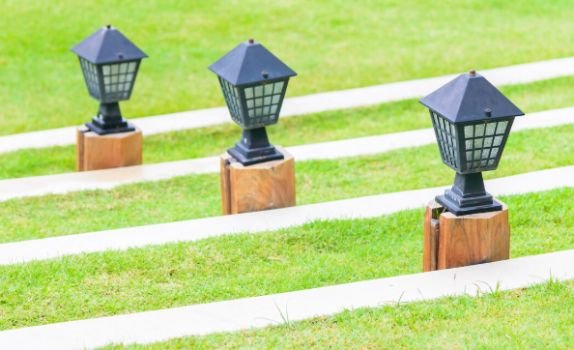
Injuries don’t just happen because of what players touch; they happen because of what players can’t see. Poor visibility leads to delayed reaction times. If a player reacts late to a ball, they are often off-balance, putting their body in compromised positions to make the shot.
Old halide or fluorescent lighting systems often produce uneven light, creating shadows or glare spots on the court. Upgrading to modern LED technology provides consistent, bright, and uniform illumination across the entire playing area.
LEDs can be directed with precision to minimize light pollution while maximizing contrast on the court. Better visibility helps players judge the speed and depth of the ball more accurately. It also ensures they can clearly see the lines and the fence perimeter, preventing collisions with court infrastructure during high-speed points.
Prioritizing Player Longevity
Investing in court improvements is an investment in the health of the people who play on them. While equipment and coaching draw a lot of attention, the ground beneath a player’s feet is the foundation of their safety.
By addressing surface irregularities through tennis court resurfacing in Utah or installing better lighting and drainage elsewhere, facility owners demonstrate a commitment to safety.
These enhancements reduce the likelihood of acute accidents like sprains and falls, while cushioning systems help mitigate the long-term wear and tear on joints. A safe court invites more play, fosters better performance, and keeps the game enjoyable for everyone.