




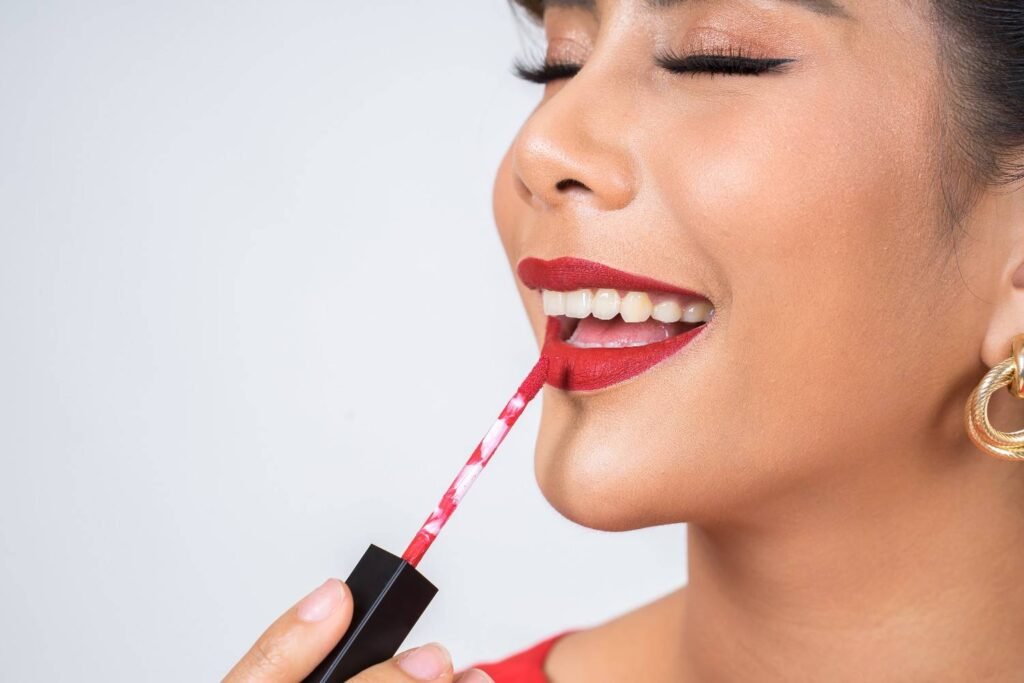
Starting your own lip gloss company can be a fulfilling and lucrative endeavor, particularly in light of the rising demand for cosmetics with distinctive formulas and high-quality, pure ingredients.
When I first started my business, I was aware that understanding every step of the process—from planning to marketing—was essential to success rather than just producing a fantastic product. In this guide, I’ll break down the essential steps you need to follow to start your own lip gloss business.
1. Planning and Niche Selection: Find Your Unique Angle
Before diving into production, it’s crucial to define your niche. The beauty industry is filled with options, so pinpointing a specific angle will help your business shine. Here’s how I approached it:
Identify Your Niche
When I started my lip gloss business, I wanted to stand out. So, I focused on a niche that I felt passionate about—clean, vegan lip glosses. But there are several directions you could take:
- Vegan/organic ingredients for conscious consumers.
- Sun protection (SPF) infused lip glosses for daily wear.
- Specialty glosses for specific skin tones or age groups (e.g., pre-teens, teens, adults).
Conduct Market Research
Next, I used tools like Exploding Topics to spot trending ingredients and assess consumer demand. This helped me narrow down the best ingredients, like squalane and argan oil, and price my products competitively. Look at your competitors’ pricing and product offerings to ensure you’re filling a gap in the market.
Write a Business Plan
A business plan is vital. This is where I detailed my product catalog, made financial projections for the next 2-3 years, and decided whether I would manufacture my lip gloss or work with a distributor. Starting with a solid plan helps you stay organized and set clear goals.
2. Legal Requirements: Set Your Foundation
Running a business comes with legal responsibilities. While you don’t need pre-market approval for cosmetics, it’s essential to comply with U.S. regulations and protect your brand from potential issues.
Register Your Business

I decided to form an LLC (Limited Liability Company) to protect my personal assets from business liabilities. This structure is ideal for small businesses, as it provides legal protection while keeping things simple.
Compliance with the FDA
While the FDA doesn’t approve cosmetics before they hit the market, they regulate them once they’re sold. I made sure to comply with the Fair Packaging and Labeling Act (FPLA), ensuring that my labels were clear and accurate. Avoid mislabeling claims (e.g., “all-natural” or “organic”) unless backed by certification.
Safety Testing
Before launching, I conducted stability testing to ensure my glosses would last on the shelf. Stability tests typically take about 3 months to ensure that your formula is shelf-stable, safe, and effective.
3. Sourcing Ingredients and Supplies: Building Your Product
Core Ingredients
For the lip gloss formula, I needed:
- Lip gloss base (like Versagel)
- Carrier oils (coconut, almond, or vitamin E)
- Pigments and micas for color
I sourced most of my ingredients from US-based suppliers like TKB Trading and Bramble Berry, who provide high-quality, cosmetic-grade products. If you’re looking to source in bulk, you can also consider platforms like Alibaba and AliExpress for competitive pricing.
Equipment
To start producing, I needed:
- Syringes and pipettes for precise measurement.
- Spatulas, mixing bowls, and gloves for hygienic production.
Reliable equipment is essential for ensuring that your production process is smooth and sanitary.
4. Branding and Building Your Online Store: Stand Out
A strong brand identity helps attract and retain customers. It’s crucial to make sure your product and packaging reflect your values and stand out from competitors.
Branding
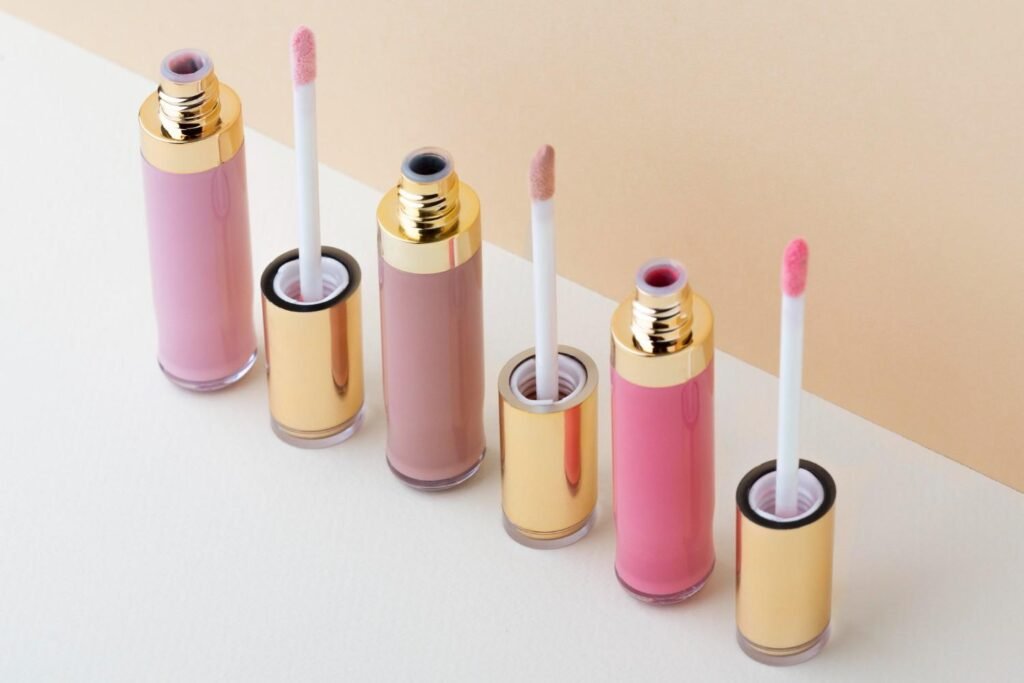
Create a memorable logo and eye-catching labels. Tools like Canva can help you design your branding without needing professional help. Consistency across all your platforms (website, packaging, social media) is key to making your brand recognizable.
Sales Platforms
When I was starting, I chose Big Cartel because it was affordable and beginner-friendly. If you’re looking to scale quickly, Shopify is a great option, offering more advanced features like integrated shipping labels, SEO tools, and customizable themes.
5. Marketing and Launching Your Lip Gloss Business: Get the Word Out
Now that your product is ready, it’s time to launch your brand and reach your target audience. Understanding your target audience is crucial when figuring out how to start a lip gloss business. Whether you’re focusing on young adults or eco-conscious consumers, identifying your customer base will guide your product choices and marketing efforts.
Here’s how I did it:
Social Media Marketing
I used social media marketing to market on platforms like Instagram and TikTok to share behind-the-scenes production videos and engage with potential customers. These platforms are perfect for showcasing your product in action and building a community around your brand.
Collaborate with Influencers
Collaborating with micro-influencers was an effective way to get the word out about my lip gloss. I reached out to beauty influencers who shared my brand values, and they helped me boost visibility and build trust among followers.
Promotions
Starting with introductory prices or offering bundle deals helped attract my first customers. I ran limited-time promotions on Instagram and my website, which encouraged early sales and created buzz.
Shipping Logistics
To streamline my shipping process, I used services like ShipStation and Pirate Ship, which helped automate and discount my shipping costs. This was crucial for saving time and keeping customers happy with fast, affordable shipping.
6. Scaling Your Lip Gloss Business: Growth Strategies
Once your lip gloss brand starts gaining traction, you can think about scaling it further. Here’s how I did it:
Expand Your Product Line
Consider adding other beauty products, such as lip balms, lipsticks, or even skincare products like lip scrubs. Expanding your catalog will attract more customers.
Retail Expansion
After establishing a strong online presence, I started exploring retail options. I partnered with boutiques and beauty stores, and even considered pop-up events at beauty conventions.
Frequently Asked Questions (FAQs)
1. How much does it cost to start a lip gloss business?
The costs can vary, but on average, it can range from $1,000 to $5,000 for initial production, labeling, and marketing efforts.
2. Do I need a license to sell lip gloss?
Yes, you’ll need to register your business and may need additional licenses depending on your location. FDA compliance is also essential for cosmetics.
3. How do I market my lip gloss business?
Start by building a strong social media presence on Instagram and TikTok. Partner with influencers, offer promotions, and engage with your audience to build a loyal following.
Your Path to Building a Successful Lip Gloss Brand
Starting a lip gloss business takes time, effort, and dedication, but with the right strategies in place, you can turn your passion into a thriving brand. By following this blog, you’ll be well on your way to building a successful lip gloss business that stands out in the beauty industry.
Now that you know how to start a lip gloss business, it’s time to take action and turn your passion into a thriving brand!