




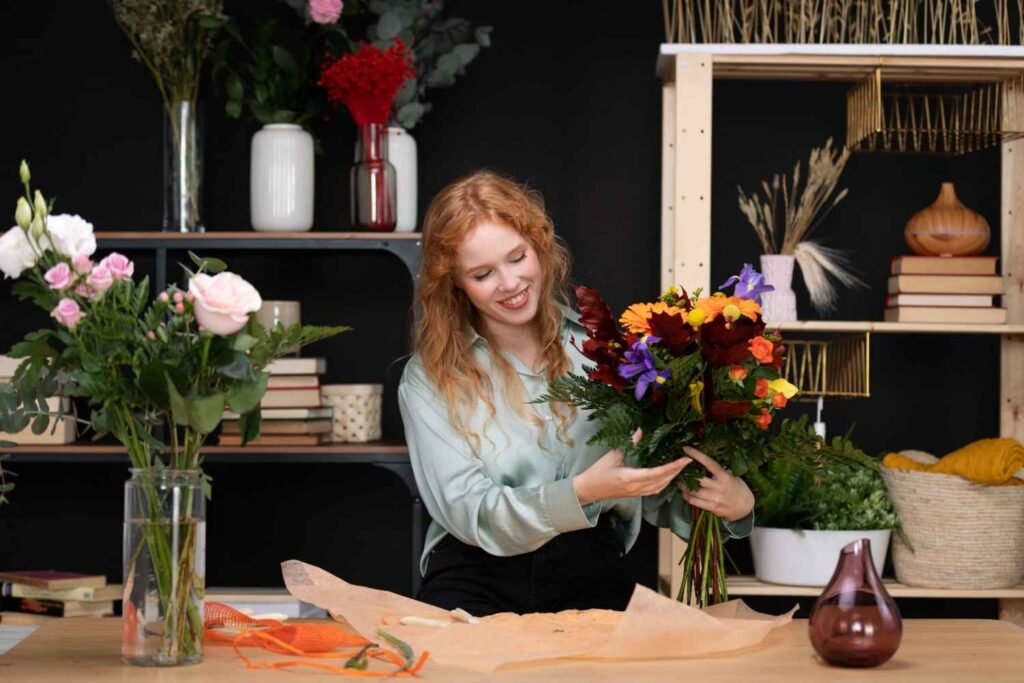
Starting a floral business is like turning petals into profits—it’s where art meets strategy. While flowers are undeniably beautiful and evoke deep emotions, they’re also perishable products that require sharp planning and smooth operations.
When I first set out to learn how to start a floral business, I realized quickly that success isn’t just about creating stunning arrangements—it’s about mastering the balance between creativity and logistics, pricing and profit, and vision and execution.
In this blog, I’ll show you exactly how to start a floral business that’s not only creative—but profitable and sustainable in the competitive U.S. market.
Choose the Right Floral Business Model for Your Goals
Choosing the right business model is crucial when learning how to start a floral business that aligns with your goals and budget.
Home-Based or Studio Floral Business
A home-based or studio floral business offers the lowest overhead and is ideal if you plan to focus on pre-ordered arrangements, weddings, or local deliveries. Many florists start this way to test demand without committing to retail rent. This model works especially well for event florists and designers who rely on consultations rather than walk-in traffic.
Brick-and-Mortar Flower Shop
A retail flower shop provides high visibility and steady foot traffic, but it comes with higher expenses like rent, utilities, staffing, and extended operating hours. This model works best in walkable areas, near hospitals, business districts, or event venues. While more expensive, it can generate consistent daily sales when managed well.
Online-Only Floral Business
An online-only floral business focuses on digital ordering and delivery, often using platforms like Shopify or Wix. This model reduces rent costs but requires a strong delivery system, excellent logistics, and local SEO. Many modern florists use this setup to serve a specific city or metro area efficiently.
Choosing the right model early is essential when learning how to start a floral business that aligns with your budget and lifestyle.
Handle Legal Requirements and Core Logistics Early
Before selling a single bouquet, you need to establish a legal and operational foundation.
Register Your Floral Business Properly
Most U.S. florists choose either a sole proprietorship or an LLC. An LLC (Limited Liability Company) is often preferred because it protects personal assets and adds credibility. You’ll also need:
- A business license
- An EIN from the IRS
- A seller’s permit or resale license to collect sales tax and purchase flowers at wholesale prices
Secure Essential Floral Equipment
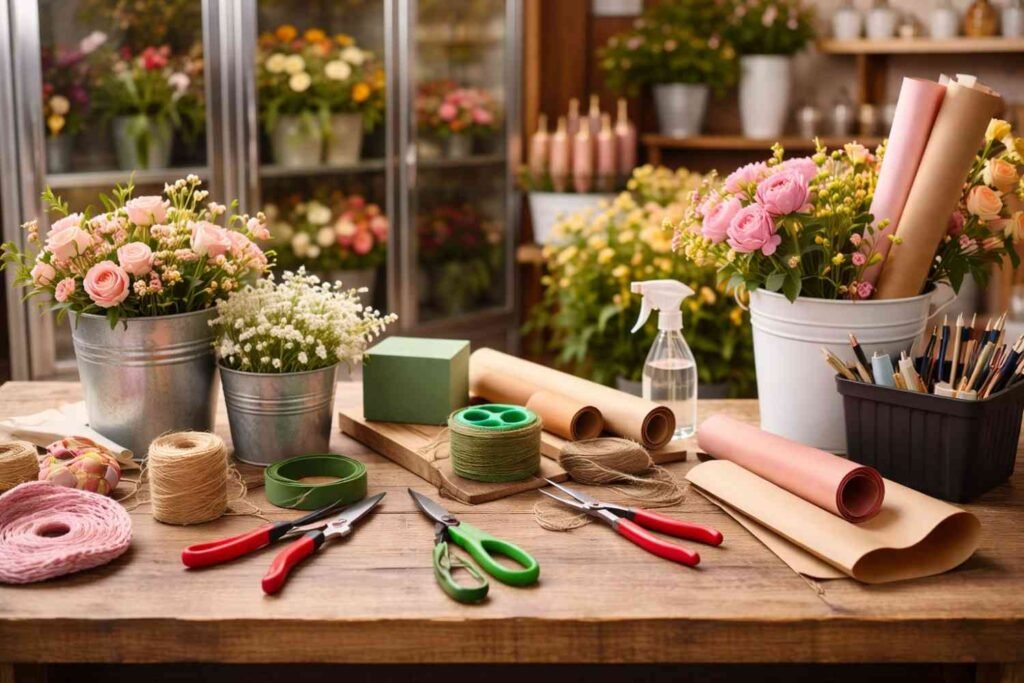
At a minimum, your floral business needs professional tools. These include floral snips, buckets, floral tape, and a dedicated refrigerator. Floral coolers maintain higher humidity than standard food refrigerators and significantly extend flower life. If you offer deliveries, a reliable vehicle becomes part of your core infrastructure.
Build Strong Sourcing and Inventory Systems
Flowers don’t last forever, which makes sourcing and inventory management critical.
Establish Wholesale Flower Relationships
Successful florists build relationships with local flower farms, regional wholesalers, or international suppliers. Local sourcing can reduce delivery time and appeal to customers who value sustainability, while international wholesalers provide variety and year-round availability.
Manage Waste and Shrinkage Intentionally
Shrinkage—unsold flowers that expire—is one of the biggest profit killers in the floral industry. Efficient florists track inventory carefully and plan purchases based on confirmed orders and seasonal demand. Many professionals use floral software like Details Flowers or Curate to manage recipes, pricing, and inventory in one place.
These systems become especially important as you scale and refine how to start a floral business that stays profitable year-round.
Price Flowers for Profit, Not Emotion
One of the biggest mistakes new florists make is underpricing. Flowers may feel emotional, but pricing must be strategic.
Use Industry-Standard Pricing Formulas
Most professional florists follow a consistent markup structure:
- Fresh flowers are typically priced at 3x to 5x their wholesale cost
- Hard goods like vases, ribbons, and mechanics are usually priced at 2x cost
- Labor is not free and must be built into pricing
Add a Design or Labor Fee
Many florists add a 20%–30% design fee on top of the retail price of materials. This accounts for your expertise, time, and creative labor. Pricing this way ensures your business remains sustainable, even during high-demand seasons.
Understanding pricing strategy is a critical step when mastering how to start a floral business that actually makes money.
Build a Floral Brand That Attracts the Right Customers
Your brand is more than a logo—it’s how customers perceive your work and value your services.
Create a Strong Floral Portfolio
High-quality photography is non-negotiable. Natural lighting helps capture true colors and textures, which is essential for floral work. Your portfolio should show consistency in style and highlight your best arrangements across weddings, events, and everyday designs.
Focus on Visual Marketing Platforms
Instagram and Pinterest are powerful platforms for florists because flowers are highly visual. Regularly posting fresh designs, behind-the-scenes content, and seasonal work builds trust and visibility. In addition to consumer marketing, many florists grow revenue by offering weekly subscription arrangements to hotels, restaurants, offices, and event venues.
Building strong B2B relationships can provide predictable income alongside retail or event sales.
Market Your Floral Business Locally and Strategically

Local visibility matters just as much as creativity.
Optimize your website for local search terms like “florist near me” or “flower delivery in [city].” Encourage customer reviews, maintain accurate Google Business listings, and partner with local wedding planners, venues, and businesses. These strategies compound over time and help your brand stay top-of-mind.
Frequently Asked Questions (FAQs)
1. How much does it cost to start a floral business in the U.S.?
Startup costs vary widely. A home-based floral business may start with $5,000–$10,000, while a retail flower shop can require $30,000–$75,000 or more, depending on location and inventory.
2. Do I need formal training to become a florist?
Formal training isn’t required, but hands-on experience, workshops, and mentorship significantly improve design skills and business confidence.
3. Can a floral business be profitable year-round?
Yes, but seasonality matters. Successful florists plan for holidays, weddings, subscriptions, and corporate accounts to stabilize income throughout the year.
4. How long does it take to become profitable?
Many floral businesses reach profitability within 12–24 months when pricing, inventory, and marketing are managed correctly.
Building a Successful Floral Business
Learning how to start a floral business means understanding far more than flower arranging. It requires smart sourcing, disciplined pricing, waste control, and intentional branding. When creativity meets structure, a floral business can become both emotionally fulfilling and financially rewarding.
If you approach this journey with clarity, planning, and the right systems, you’ll be positioned to grow a floral brand that stands out in a competitive U.S. market—and thrives long term.