



You’re not alone if you’ve been wondering how to lower your cholesterol, and the good news is that it’s not as difficult as you would think. Millions of Americans suffer from high cholesterol, but you can take charge of your heart health right now with a few wise adjustments.
I’ll outline ten tried-and-true, scientifically supported methods for naturally lowering cholesterol in this blog. These useful suggestions will put you on the path to a healthier heart, regardless of whether you’re just starting to control your cholesterol or looking for methods to make improvements. Now let’s begin!
What Is Cholesterol and Why It’s Crucial for Your Health?
Cholesterol is a fatty substance found in your blood. While your body needs some cholesterol to build healthy cells, too much can lead to a buildup of plaque in your arteries. This narrows your arteries and makes it harder for blood to flow, which can increase your risk of heart disease and stroke.
There are two main types of cholesterol you should be aware of:
- LDL (Low-Density Lipoprotein): Often referred to as “bad” cholesterol, LDL carries cholesterol to your arteries. If there’s too much, it can form plaque in your arteries, raising your risk of heart disease.
- HDL (High-Density Lipoprotein): Known as “good” cholesterol, HDL helps remove LDL from your blood vessels and transport it to your liver, where it’s processed and removed.
In this blog, I’ll cover all the answers to the question of how to lower my cholesterol by focusing on ways to reduce LDL and boost HDL levels so you can maintain your heart health.
10 Effective Ways to Lower Your Cholesterol Naturally
While many people wonder how to lower my cholesterol, the truth is that there’s no single solution that works for everyone.
Cholesterol levels respond differently based on genetics, daily habits, and overall health. That’s why the most effective approach focuses on finding a personalized balance of diet, physical activity, and lifestyle changes that fit your routine and can be sustained long term.
When those pieces come together, managing cholesterol becomes far more realistic—and far more effective.With a few simple adjustments to your diet, exercise, and lifestyle, you can see significant improvements in your heart health. Here are 10 effective ways to get started today.
1. Eat Heart-Healthy Foods
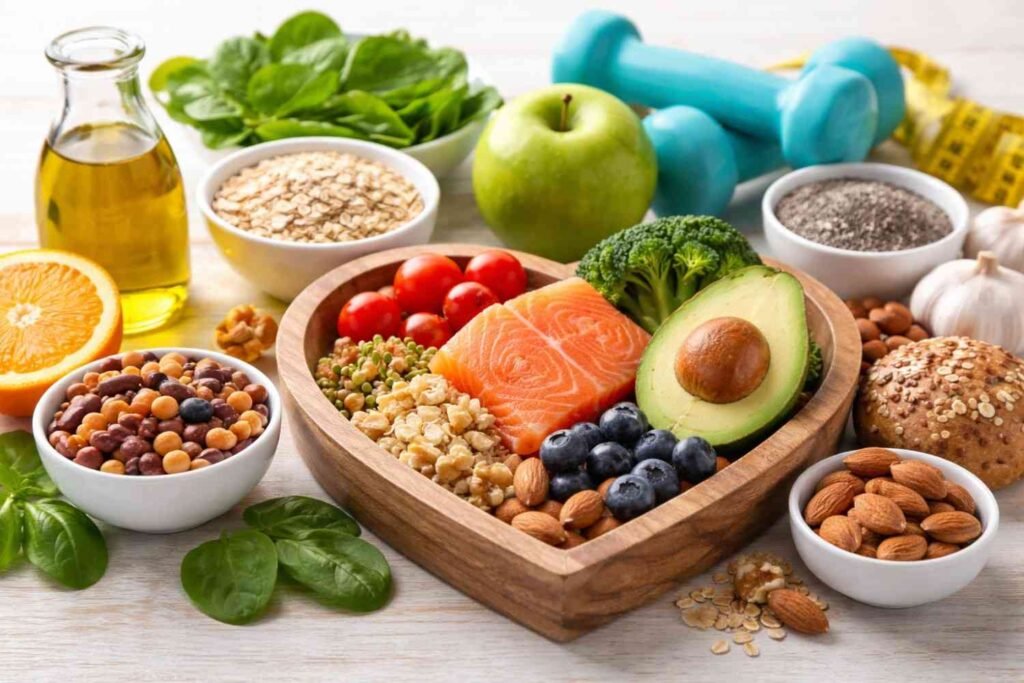
A healthy diet plays a crucial role in lowering cholesterol. Here are some foods to focus on:
- Reduce Saturated Fats: Saturated fats, found in red meat, full-fat dairy, and processed foods, can raise your cholesterol. Opt for lean meats like chicken or turkey, and plant-based proteins like tofu and lentils.
- Eliminate Trans Fats: Often listed as “partially hydrogenated vegetable oil,” trans fats are common in store-bought cookies, cakes, and fried foods. These fats are the worst for your cholesterol.
- Increase Soluble Fiber: Soluble fiber prevents your digestive system from absorbing cholesterol. Aim for 10–25 grams of fiber daily from foods like oatmeal, beans, apples, and flaxseeds.
- Eat Omega-3 Fatty Acids: While omega-3s don’t directly lower LDL, they help reduce blood pressure and triglycerides, which improves heart health. Eat fatty fish like salmon or mackerel twice a week.
- Use Healthy Oils: Replace butter and lard with liquid vegetable oils such as olive oil, canola oil, or sunflower oil. These healthy fats help lower LDL levels.
Pro Tip: Start your day with a bowl of oatmeal or a flaxseed smoothie to kickstart your cholesterol-lowering routine.
2. Exercise Regularly

Exercise is one of the most effective ways to raise HDL (good cholesterol) while lowering LDL (bad cholesterol). Aim for at least 150 minutes of moderate-intensity exercise per week, such as brisk walking, swimming, or cycling.
Exercise Benefits:
- Increases HDL cholesterol levels
- Lowers LDL cholesterol
- Helps with weight management and overall heart health
Pro Tip: If you’re just getting started, try taking a brisk walk after dinner to help lower your cholesterol and aid digestion.
3. Lose Weight
Even losing just 5–10% of your body weight can make a noticeable impact on your cholesterol levels. Excess weight, particularly around the waist, can make it harder for your body to regulate cholesterol effectively.
4. Quit Smoking
Smoking damages your blood vessels and lowers your HDL cholesterol. Quitting smoking is one of the most important things you can do to improve your heart health. Within just three months of quitting, your circulation and lung function improve. After one year, your risk of heart disease is reduced by 50%.
5. Limit Alcohol Intake
Drinking excessive alcohol can raise both LDL cholesterol and triglyceride levels. Stick to moderate alcohol intake: one drink per day for women and up to two drinks per day for men. Reducing or eliminating alcohol can help lower your cholesterol and improve overall heart health.
6. Manage Stress
Chronic stress can negatively impact your cholesterol levels over time. It may encourage unhealthy habits such as overeating, smoking, or drinking excessively. Finding ways to manage stress through mindfulness, yoga, or breathing exercises can help lower your cholesterol levels.
7. Incorporate Plant Sterols and Stanols
Plant sterols and stanols are substances found in plants that can help block cholesterol absorption. Foods fortified with plant sterols, such as certain margarines and juices, can help lower LDL cholesterol by up to 10%.
8. Take Cholesterol-Lowering Supplements (With Doctor Approval)
Certain supplements can also help lower cholesterol. Some of the most effective include omega-3 fatty acids, soluble fiber supplements, and red yeast rice. However, it’s essential to consult your doctor before adding any supplements to your routine to avoid potential interactions with other medications.
9. Consult Your Doctor About Medication
If lifestyle changes aren’t enough, your doctor may prescribe medications like statins to help lower cholesterol. It’s important to work with your healthcare provider to determine if medication is necessary based on your cholesterol levels and overall risk factors.
10. Stay Consistent
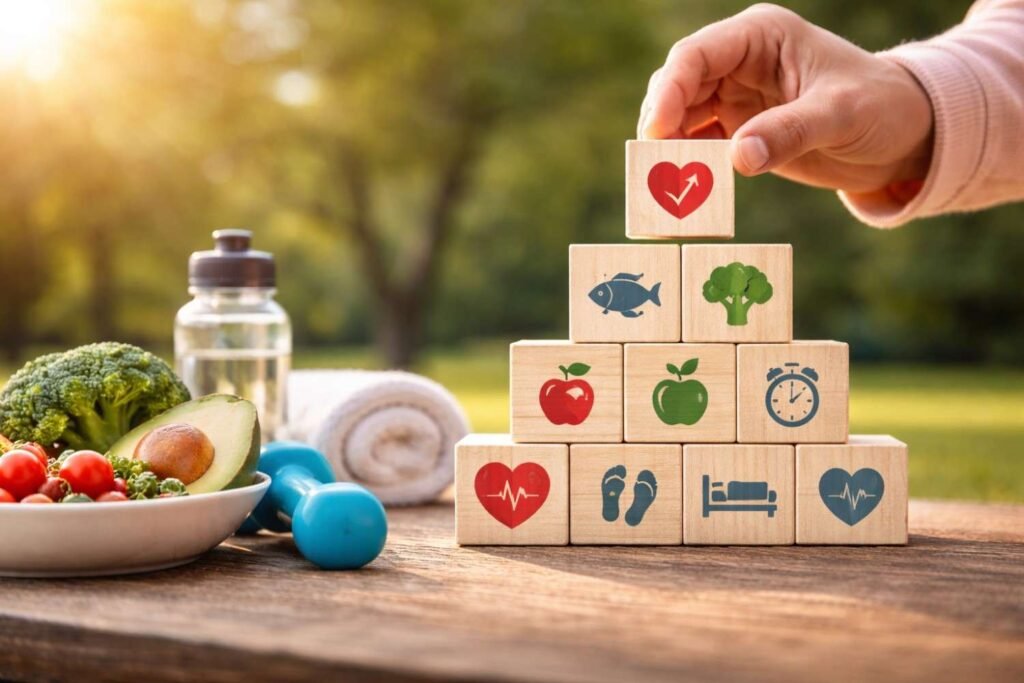
Lowering your cholesterol is a long-term commitment. Small, consistent changes to your diet, exercise routine, and lifestyle habits are the keys to success. Don’t expect overnight results, but with persistence, you will see positive changes in your cholesterol levels.
Frequently Asked Questions (FAQs)
1. What is the fastest way to lower cholesterol?
The quickest way to lower cholesterol is through a combination of diet changes, regular exercise, and weight loss. For some people, medication may also be needed.
2. Can I lower cholesterol without medication?
Yes, many people can lower cholesterol naturally through diet, exercise, and weight loss. However, some may still require medication, especially if their cholesterol levels are high or they have a family history of heart disease.
3. How much can exercise lower cholesterol?
Regular exercise can help raise HDL cholesterol and lower LDL cholesterol. Studies suggest that just 30 minutes of moderate exercise most days of the week can result in a 5–10% reduction in LDL cholesterol.
4. How long does it take to lower cholesterol through diet and exercise?
It typically takes about 3 to 6 months of consistent diet and exercise to see significant reductions in cholesterol levels.
Small Changes, Big Impact
By now, you’ve learned several strategies to lower your cholesterol naturally. If you’re still wondering how to lower my cholesterol, remember, consistency is key. Implementing these small changes can lead to big results in the long run.
You have the capacity to reduce cholesterol. You may dramatically lower your cholesterol and strengthen your heart by making tiny, regular adjustments to your food, exercise regimen, and general way of life. Recall that the goal is to make better decisions every day, which build up over time, rather than striving for perfection.