





When I first tried to save money on a tight budget, it felt like trying to fill a bucket with a hole in it. My income barely covered essentials, and the idea of putting anything aside for “just in case” seemed almost unrealistic. But over time, I learned that building an emergency fund on a low income isn’t about saving huge sums overnight; it’s about small, consistent steps that don’t drain your energy or joy.
It also helped to shift my mindset: instead of seeing saving as a sacrifice, I began treating it as a way to buy peace of mind. The goal wasn’t perfection, but progress, even if that meant saving tiny amounts at first. That approach kept me motivated without burning out, and before I knew it, I had a financial cushion I was genuinely proud of.
Why an Emergency Fund Matters for a Low-Income Person?
An emergency fund is money you can tap quickly when life throws something unexpected your way, a medical bill, a sudden expense, a job disruption. Without it, even a small shock can send your finances spiraling, forcing you to borrow or go into debt.
On a low income, you may think saving isn’t possible, but the key is setting realistic targets. Instead of thinking “I need $5,000,” you can start with a modest target like $500 to $1,000. That amount won’t cover every future shock, but it can handle small emergencies and build confidence. Once you hit your starter goal, you can gradually scale up.
Small, Consistent Saving Habits That Work
Rather than trying to save large chunks rarely, the smartest strategy is to build tiny, repeatable saving habits. These are the kinds of habits that don’t make you feel deprived:
Micro-Savings Routine
- Set aside very small amounts regularly, such as $1-$2 per day or $10-$15 each week. It might feel insignificant at first, but consistency is what grows the fund. Over time, these micro-savings add up faster than you think.
The “Wait Rule”
- When you feel like buying something non-essential, wait 48–72 hours before spending. Often, the urge fades, and you can redirect that money to your emergency fund instead.
Redirect Unexpected Money
- Any extra cash, tax refunds, small bonuses at work, or cash gifts should go straight into your savings before you even think about spending it. Treat your emergency fund like a non-negotiable bill you pay to yourself.
Trim Just One Habit
- Identify one recurring non-essential cost (a subscription you rarely use, frequent dining out) and pause it temporarily. That simple cut can create a noticeable boost to your emergency fund without making your life miserable.
These strategies are gentle, sustainable, and rooted in real choices you can make without burning out.
Automate and Protect Your Savings
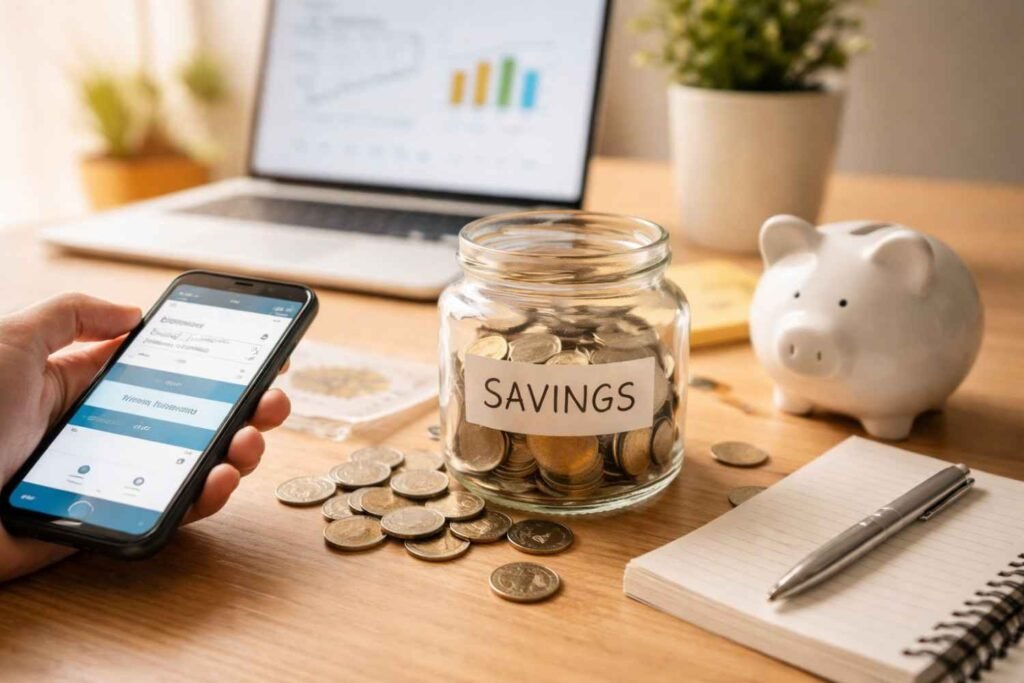
The most powerful step you can take is making saving automatic so it happens without requiring willpower every month:
Pay Yourself First
On the day your income arrives, transfer a set amount to your emergency fund before spending anything else. Even a small auto-transfer of $10-$20 per month creates a rhythm that adds up over time.
Dedicated Account for Emergencies
Keeping your emergency savings in a separate account that you don’t use for daily spending greatly reduces the temptation to dip into it for impulsive purchases.
Savings Tools That Help
There are digital tools that help automate micro-savings. Some services round up your daily digital purchases to the nearest ₹10 and deposit the difference into savings. Others let you set small recurring transfers that feel painless.
These methods aren’t about dramatic cuts, they’re about making saving so easy you barely notice it happening.
Where Your Emergency Fund Should Live?
Your emergency fund should be safe, liquid (easy to access), and, if possible, earn a bit of interest while you’re not using it. Here’s how to think about it:
- High-Yield Savings Accounts: These are savings accounts that offer better interest rates than basic checking or traditional savings. On a low income, earning extra interest while you save feels like getting a little bonus without extra effort.
- Money Market Funds: These are low-risk mutual fund options that allow you to redeem your money quickly, often within a day or two, while offering a bit more return than standard accounts.
- Sweep-in Fixed Deposits: Some banks let you keep your emergency fund in a savings account that automatically “sweeps” excess into a fixed deposit for higher returns but lets you access it instantly if needed.
In the US, many banks and credit unions offer high-yield savings accounts and cash management accounts that provide easy access and competitive interest rates, making them practical options for an emergency fund.
How to Decide What Counts as an Emergency?
Part of protecting your emergency fund is having clear rules about what it’s for. This prevents burnout from constantly dipping into savings for non-urgent things.
Qualifies as an Emergency
- Job loss or sudden income disruption
- Urgent medical expenses
- Essential home or vehicle repair
Does Not Qualify
- Planned vacations
- Buying new gadgets
- Holiday gifts
Having this boundary gives your emergency fund a clear purpose and helps you avoid using it for normal or discretionary spending.
Monthly Savings Checklist
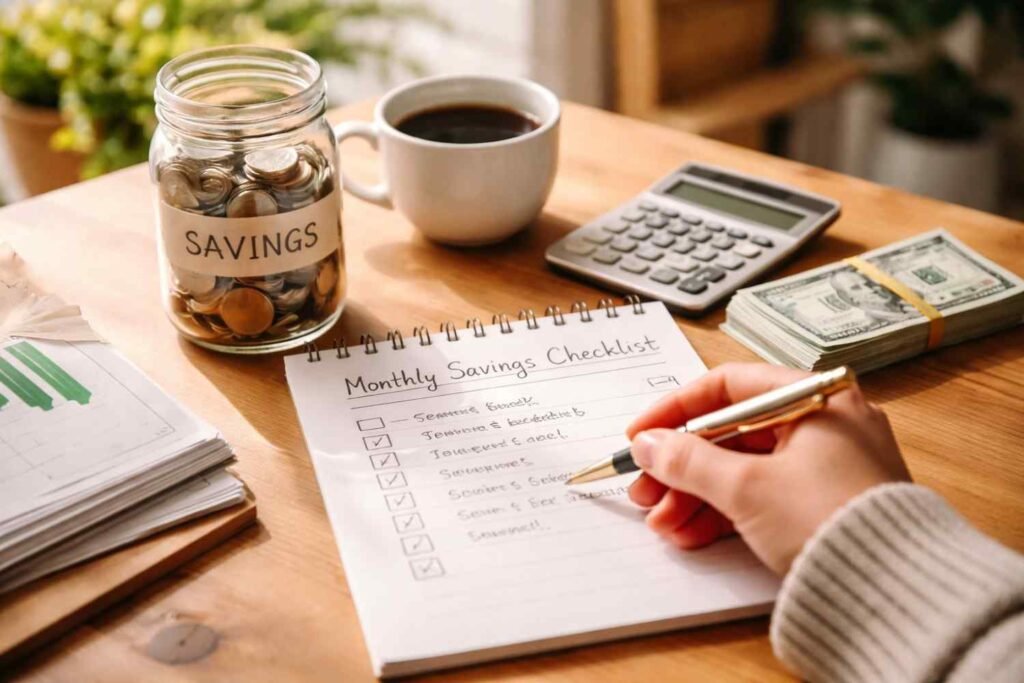
Here’s a simple checklist you can use each month to make sure your emergency fund stays on track:
- I tracked my monthly spending and identified at least one area I could reduce.
- I transferred a fixed amount (even a small one) to my emergency fund automatically.
- I put all unexpected bonuses or cash gifts straight into savings.
- I checked that my emergency savings are in a separate account and are earning interest.
Using a checklist like this all month keeps your saving habit consistent and low-stress.
Frequently Asked Questions (FAQs)
1. What is a good emergency fund target for a low-income person?
A good starting target on a low income is $500 to $1,000, enough to cover minor emergencies like small repairs, urgent medical costs, or short-term income gaps. Once you reach this, you can gradually increase your goal.
2. How much should I save each month if my income is very low?
Even small amounts like $10–$20 per month can add up. The key is consistency; regular saving builds momentum and reduces financial anxiety over time.
3. Can I build an emergency fund without cutting essential expenses?
Yes. Strategies like redirecting unexpected income, automating small transfers, and trimming one non-essential habit at a time help you save without drastic lifestyle changes.
4. Should I keep my emergency fund in a savings account or a mutual fund?
Your emergency fund should be safe and easy to access. High-yield savings accounts or low-risk liquid mutual funds are both good options. The priority is liquidity and safety, not high returns.
Final Thoughts
Building an emergency fund from a low income isn’t about grand gestures; it’s about steady, small choices that protect your peace and your financial footing. When you make saving feel manageable rather than overwhelming, you’re far less likely to burn out and far more likely to stay consistent. Even modest contributions grow into something meaningful when practiced with patience and intention.
It’s also a mindset shift: saving isn’t a punishment for having a low income, it’s a tool for resilience. With realistic targets, automation, and thoughtful boundaries around what truly counts as an emergency, you can create a financial cushion that supports you through life’s surprises without stress.